20 90s Blowout Looks Everyone Will Ask Your Stylist About
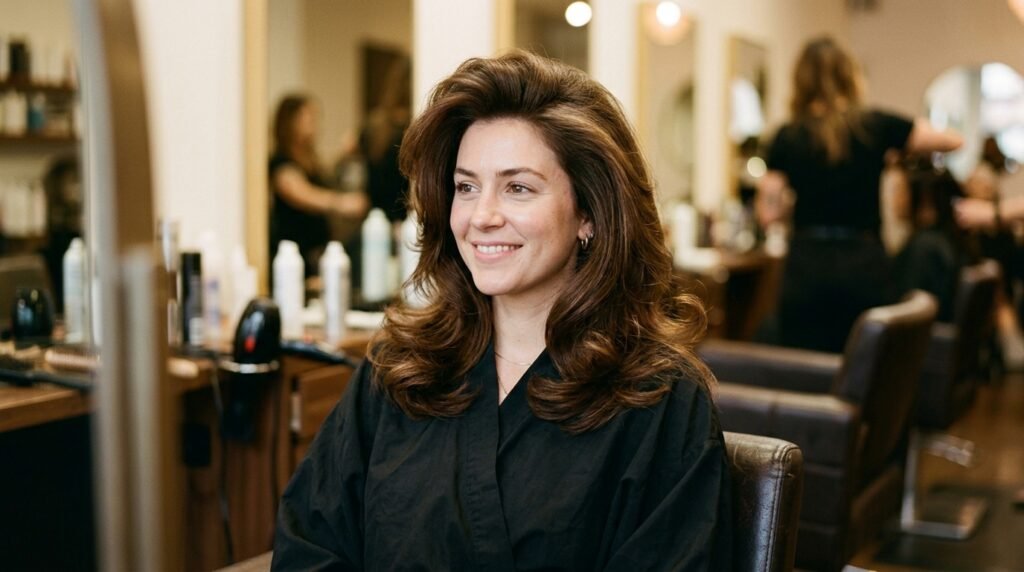
The 90s blowout never really left — it just waited for the world to catch up. Now it’s everywhere: Pinterest boards, salon chairs, and TikTok feeds that can’t stop saving it. Whether you have fine hair, thick hair, or curls you’ve been afraid to blow out, there’s a version of this look built for you. These 20 styles are the ones worth screenshotting and walking straight into your next appointment with.
1. The Rachel Green 90s Blowout Everyone Recognizes Instantly

Few hairstyles have the kind of instant recognition this one does. The face-framing layers, the outward flip at the ends, the root volume that somehow feels effortless — it’s a specific combination that works especially well on medium-length hair with natural movement. Women with oval and heart-shaped faces get the most out of this shape because the flipped ends balance the jawline without adding width.
A medium-barrel round brush — anything larger loses the inward-then-outward tension this style depends on — is what creates that signature curl at the ends. Work in sections from the nape up, and finish each section with a blast of cool air before releasing the brush. That cool shot is what locks the flip in place and keeps it from dropping within the first hour. The next look takes that same root-lift energy and rebuilds it entirely for fine hair.
2. Big-Volume Blowout for Fine Hair That Actually Holds
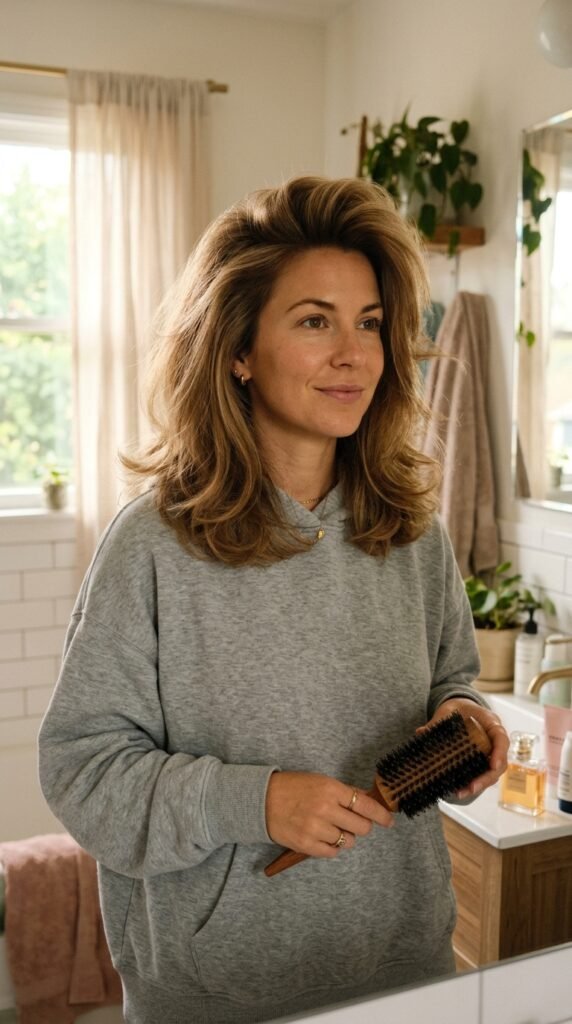
Fine hair and big volume don’t have to be a negotiation. This version of the retro blowout is built specifically for strands that tend to fall flat by noon — the key is in the prep, not just the technique. A volumizing mousse applied to damp roots before any heat touches the hair creates a foundation the style can actually grip onto throughout the day.
When you book this, tell your stylist: “I want a 90s-style blowout with root lift that holds — my hair is fine and loses volume fast.” That phrase tells them to use a smaller-barrel brush at the roots, focus tension at the crown, and skip any smoothing products that weigh strands down. Stylists who specialize in fine hair know exactly how to redistribute volume so it reads as full without looking forced. What comes next is a look that takes a completely different approach — and suits an entirely different hair texture.
3. The Retro Blowout Your Stylist Will Love You For

There’s a version of the blown-out look that sits right at the intersection of polished and relaxed — not overly structured, not undone, just genuinely well-styled. This one has soft body through the mid-lengths, subtle inward movement at the ends, and a crown that holds its shape without feeling stiff. It suits medium to thick hair best, particularly on women with naturally straight or slightly wavy strands.
Jennifer Aniston’s early career — pre-Rachel, closer to her first few seasons — is the closest reference point for this exact shape. It was never about a sharp flip or extreme volume; it was about hair that looked like someone genuinely knew what they were doing with a round brush. That quiet confidence is exactly why this version keeps resurfacing in salon inspiration folders every few years. The look that follows this one takes a very specific face shape into account — and the difference it makes is worth seeing.
4. 90s Blowout for Round Faces That Opens Everything Up
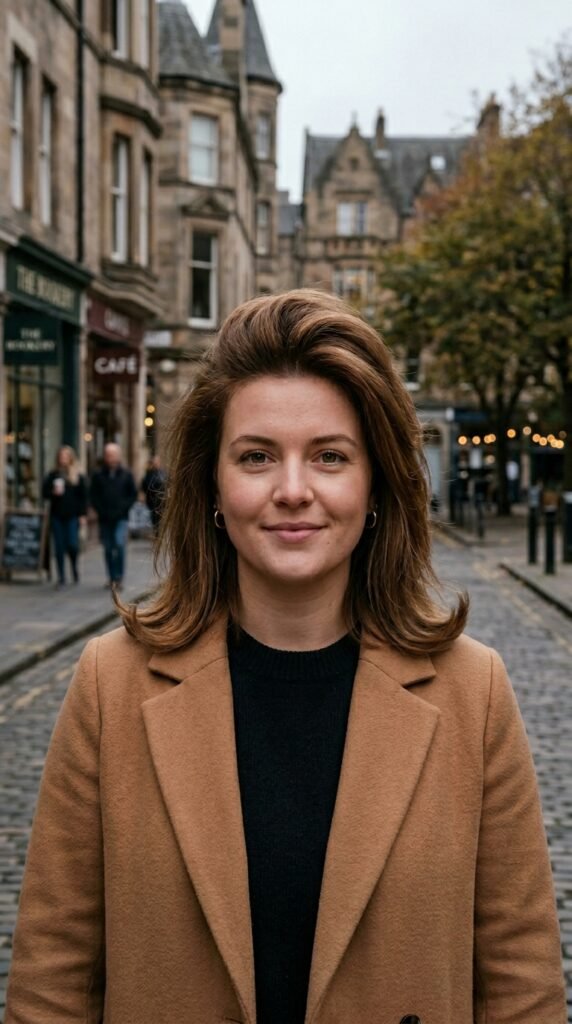
Round face shapes benefit most from styles that create vertical length rather than horizontal width — and this specific version of the 90s blowout does exactly that. The volume sits at the crown and trails down through the lengths rather than fanning out at the sides, which draws the eye upward and gives the face a longer, more defined appearance. Women with fuller cheeks or softer jawlines find this shape genuinely flattering in a way that a lot of other blowout styles aren’t.
Second-day hair actually works in this look’s favor. The natural oils that build up overnight add weight to the mid-lengths, which keeps the sides lying flatter while the root volume from the previous blowout lingers at the crown. A quick pass with a large-barrel iron through the top sections on day two can revive the lift without starting from scratch. The next look comes from an entirely different reference point — and brings with it a specific kind of effortlessness this one doesn’t quite have.
Also Visit : 20 Short Shag With Bangs Ideas For Your Next Salon Trip
5. The Cindy Crawford Blowout That Never Left for a Reason
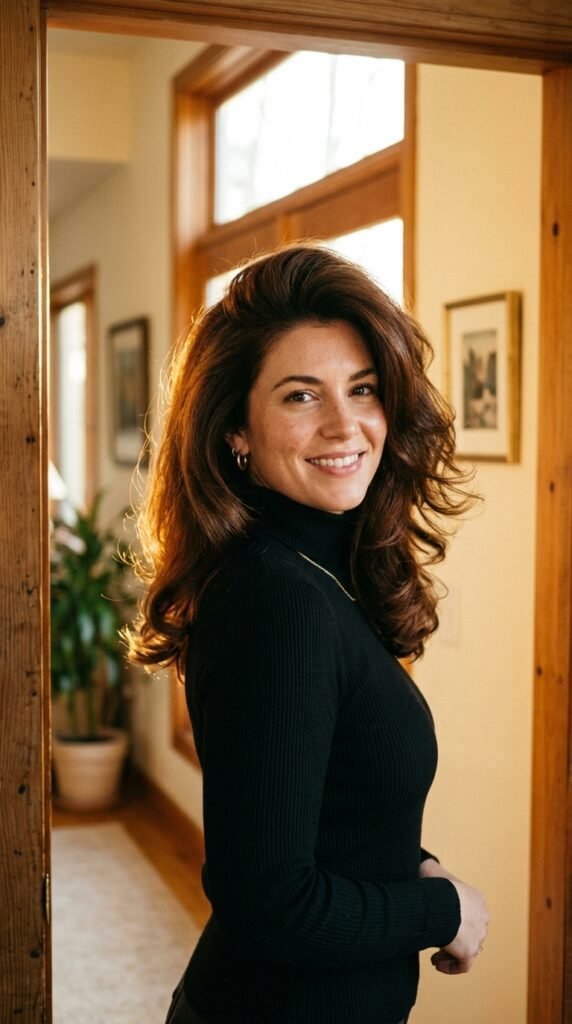
This is the blowout that defined a certain kind of confidence in the early 90s — full, glossy, moving like it had somewhere important to be. Cindy Crawford’s signature look during that era was never about precision; it was about hair that looked alive. Big through the crown, soft at the ends, with a natural-looking flip that felt more accidental than deliberate. Thick and medium-thick hair recreates this most naturally, especially when the hair has some natural body to work with.
TikTok’s “old money” aesthetic and the broader resurgence of 90s supermodel references have pushed this specific look back into the cultural conversation in a real way — not as nostalgia, but as a genuine style choice that reads as current. Pinterest boards tagged with “90s supermodel hair” are dominated by this exact shape right now, and salon inquiries for “that Cindy blowout” have picked up noticeably in the last year. The look that follows strips back the glamour and makes the same era accessible on a completely ordinary morning.
6. Everyday 90s Blowout for When You Have 20 Minutes

Not every blowout needs a full hour and a three-product lineup. This pared-back version captures the essential shape — lifted roots, soft movement through the lengths, ends with just enough direction — without the commitment of a salon-level finish. It suits straight to wavy hair best, and works particularly well on shoulder-length cuts where the hair has a natural tendency to fall into shape with minimal coaxing.
What actually makes people notice this look isn’t the volume or the finish — it’s the root lift. Hair that grows flat against the scalp and then opens up at the crown reads as intentional and put-together even when everything else about the morning was rushed. A quick pass with a medium-barrel brush at the crown section, two minutes of focused heat, and the rest of the hair dried loose still gives you 80 percent of the look in a fraction of the time. The next look takes that same everyday energy and translates it into something the internet genuinely can’t stop saving.
7. The Bouncy Blowout All Over Pinterest Right Now

Rounded, full, with ends that curve inward just enough to feel deliberate — this is the version showing up on Pinterest saves faster than almost any other style in this category right now. It has a softness that reads well in photos, a silhouette that works across multiple hair lengths, and a finish that photographs as polished without looking overdone. Women with medium to thick hair who want something that works both in person and on camera gravitate toward this shape consistently.
The reason it photographs so well comes down to the silhouette. Hair that curves inward at the ends creates a clean, rounded outline around the face — and that shape catches light in a way that reads as intentional on camera rather than accidental. It’s why hair stylists who work with photographers and content creators default to this exact shape when they want the hair to look good without competing with whatever else is in the frame. What follows next is a completely different texture challenge — and the result is just as specific.
8. 90s Blowout on Thick Hair Done Absolutely Right

Thick hair and a 90s blowout can go one of two ways — either it comes out full and controlled with real shape, or it comes out big in all the wrong places with no clear direction. The difference is almost entirely in the sectioning. Working in smaller, more deliberate sections — particularly through the back — gives each layer a chance to be shaped individually before the whole thing comes together. Skipping this step is why thick-haired blowouts often look more like volume without structure.
Ask your stylist for “a 90s blowout with controlled volume — I want the shape to read full but not wide.” That instruction tells them to work methodically through the back first, use a medium-to-large barrel brush depending on your length, and finish with a light-hold spray rather than anything that adds extra body. Stylists who work regularly with thick hair know that the finish product is where most people go wrong — too much and the whole shape softens into frizz within a few hours. The version that comes next is rooted in a completely different era reference, and it brings a specific kind of attitude with it.
9. The TLC-Era Blowout That Deserves a Full Comeback
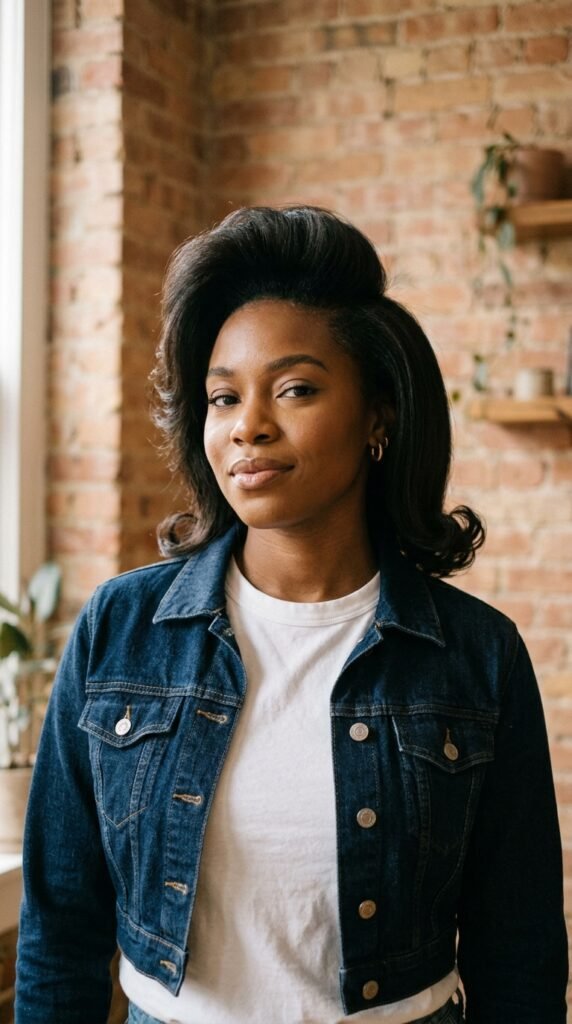
The early 90s R&B scene produced a specific version of the blown-out look that never gets enough credit — fuller at the crown, sleeker through the sides, with a kind of intentional edge that the softer supermodel styles didn’t have. TLC’s early press appearances and music video looks from that era capture it exactly: hair that felt controlled and expressive at the same time, styled with clear intention rather than aiming for approachable softness.
Wearing this look communicates something different than a classic bouncy blowout does. There’s a directness to it — the shape doesn’t ask for anything, it just arrives. Women who prefer their hair to feel like a statement rather than a complement to an outfit tend to connect with this version more than the softer alternatives on this list. It works especially well with sharp outfit choices — structured blazers, clean lines, anything with an edge. The look that follows takes this same date-night confidence and channels it somewhere slightly different.
10. 90s Blowout for a Date Night That Does the Talking
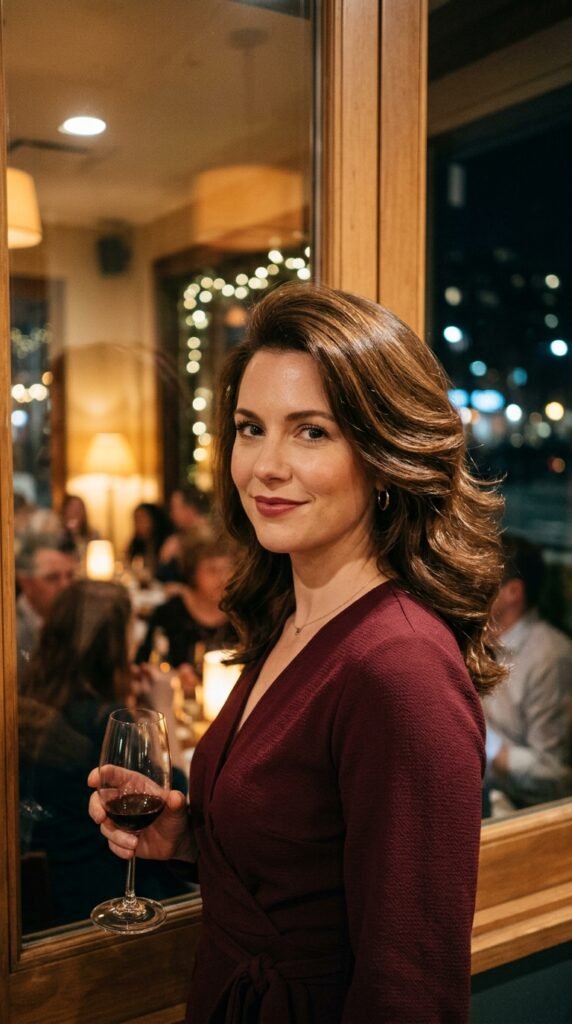
There’s a version of this look that’s specifically built for evenings — more polished than an everyday blowout, with a finish that holds under restaurant lighting and doesn’t deflate by the time the main course arrives. The volume sits higher on the head, the ends have more deliberate movement, and the overall shape has a glossiness that reads as dressed-up without trying too hard. It suits most hair types but really comes into its own on medium to thick strands with some natural body.
Autumn and early winter are when this look gets the most use — cooler air means less humidity fighting the finish, and the heavier, richer styling products that help the look hold don’t feel as heavy on the hair in lower temperatures. A light oil applied to the mid-lengths and ends before the final pass adds the kind of shine that low lighting genuinely rewards. Save the volumizing products for the roots only, and let the lengths move with a little more weight than you’d use in summer. The next look shifts the focus entirely to face shape — and the difference it makes is worth paying attention to.
11. The Voluminous Blowout Your Oval Face Was Made For

Oval faces have a genuine advantage with this particular shape — the proportions don’t need to be corrected or balanced, which means the style can lean fully into volume without any structural compromise. This version goes bigger through the crown and lets the lengths fall with a natural outward movement that would overwhelm other face shapes but sits exactly right on an oval. It’s one of those combinations where the face shape and the hairstyle genuinely seem designed for each other.
Halle Berry’s mid-90s red carpet appearances are the most referenced touchpoint for this exact combination — full crown, relaxed ends, a finish that looked like real hair rather than a styled production. Her stylist during that period consistently used a diffuser on the root section before switching to a round brush, which created lift that lasted without the stiffness that comes from brush-drying roots on high heat from the start. The look that follows takes her influence a step further and updates it with a sharper, more modern edge.
12. Halle Berry-Inspired 90s Blowout With Modern Edge
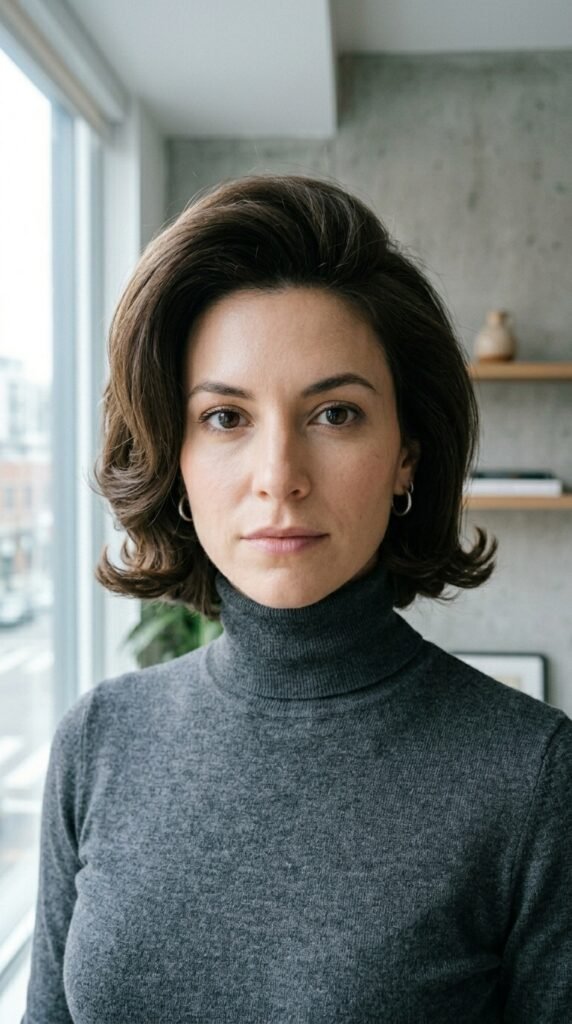
Halle Berry’s shorter blowout looks from the mid-to-late 90s had a specific quality that separated them from everything else at the time — the volume was close to the head rather than projecting outward, which gave the style a precision that longer blowouts don’t naturally have. For women with short to medium-length hair, this version translates directly: tight lift at the roots, shape that follows the head rather than expanding away from it, ends that curl slightly inward at the jaw.
Tell your stylist: “I want a Halle Berry 90s blowout — close volume, defined shape, modern finish.” Most stylists who have been behind a chair for more than a few years will know exactly what that means, and the ones who don’t will appreciate the clarity. The key detail to emphasize is that you want the volume to sit close rather than project — that single instruction changes the brush size, the sectioning, and the finishing approach entirely. What follows is a completely different kind of challenge — one that requires no heat at all.
13. The No-Heat Blowout Look Beginners Actually Pull Off

The blown-out shape doesn’t always require a round brush and a blow dryer working in tandem. This version achieves a similar silhouette using a diffuser on low heat and a styling cream applied to damp hair before drying — the result is softer than a traditional blowout but carries the same general shape: lifted roots, body through the mid-lengths, ends with direction. It works best on wavy and lightly textured hair that has enough natural movement to form shape without direct tension.
For anyone who finds the coordination of brush and dryer genuinely difficult, this approach removes the hardest part of the process entirely. Clip the root sections upward while the rest of the hair dries, release them once the hair is about 80 percent dry, and finish with a light pass of cool air from above the head downward — that direction of airflow is what flattens the cuticle and gives the finish its smoothness. The look that follows works with a completely different texture and requires a more specific approach to hold the shape all day.
14. 90s Blowout for Curly Hair That Keeps Its Shape
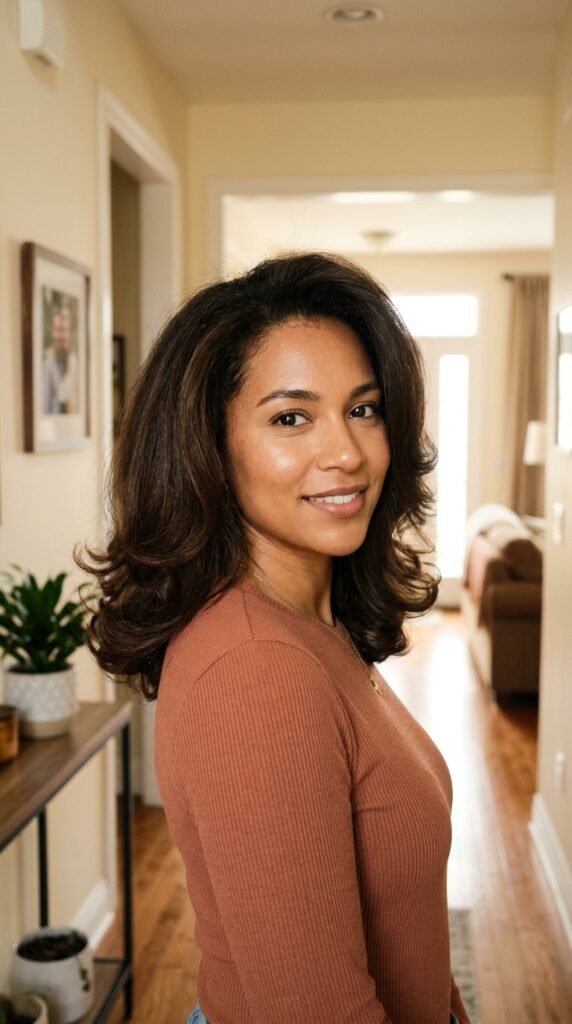
Blowing out curly hair into a smooth, voluminous 90s shape without it reverting or frizzing by mid-afternoon is less about products and more about heat sequence. Starting with a blow dryer on medium heat using a paddle brush to stretch the curl pattern first — before any round brush work — means the hair arrives at the styling stage already partially straightened, which makes the final shape far easier to control. Skipping this step is why most curly-hair blowouts lose their shape within a few hours.
There’s a real emotional shift that comes with wearing this look on naturally curly hair — not because straight hair is preferable, but because the deliberate transformation communicates something. It’s a choice, visibly and confidently made, and the people who wear it consistently say it changes how they carry themselves during the day. The finish feels intentional in a way that even the most well-defined curl pattern doesn’t always project. The look that follows takes a completely different direction — polished, structured, and built for a very specific setting.
15. The Office-Ready Retro Blowout With Serious Polish

Professional settings require a version of this look that reads as put-together rather than dressed-up — volume that doesn’t compete with whatever you’re wearing, a finish that holds through back-to-back meetings, and an overall shape that feels deliberate without feeling like it took two hours. This version keeps the volume moderate, the ends directed inward rather than flipped outward, and the finish smooth rather than glossy. It works across hair types but suits straight to slightly wavy hair with the most consistency.
Right now this specific shape is appearing on a lot of workplace style boards on Pinterest — the broader conversation around “quiet luxury” dressing has pulled hair references from the same mid-90s era that produced understated tailoring and minimal accessories. Hair that feels expensive and well-considered without being loud fits directly into that aesthetic, and this blowout sits at the center of it. A medium-hold finishing spray rather than anything heavy keeps the shape intact through a full workday without the hair feeling stiff by afternoon. The next look takes the same polish somewhere louder — and it earns every bit of the attention it gets.
16. Nia Long-Inspired 90s Blowout That Turns Every Head

Nia Long’s hair throughout the mid-90s had a quality that a lot of people remember without being able to name exactly — it was full without being excessive, polished without being rigid, and it always looked like it belonged to the person wearing it rather than sitting on top of them. The specific version worth referencing is her look from around 1996 to 1998: medium length, strong root volume, ends with a soft outward curve that framed the face without reaching for attention. Women with medium to thick hair and warmer skin tones find this shape particularly resonant.
The reason this look photographs so well comes down to how the volume distributes. Rather than sitting entirely at the crown, the fullness extends through the upper half of the hair and then tapers as it reaches the ends — that gradient of volume is what gives the silhouette its shape in images rather than reading as a single mass of hair. Content creators who work with 90s beauty references keep returning to this specific shape because it holds its definition under different lighting conditions without needing to be restyled between shots. What follows is a look that’s been building momentum in a very different corner of the internet.
17. The Blown-Out Look That Took Over Salon Boards This Year
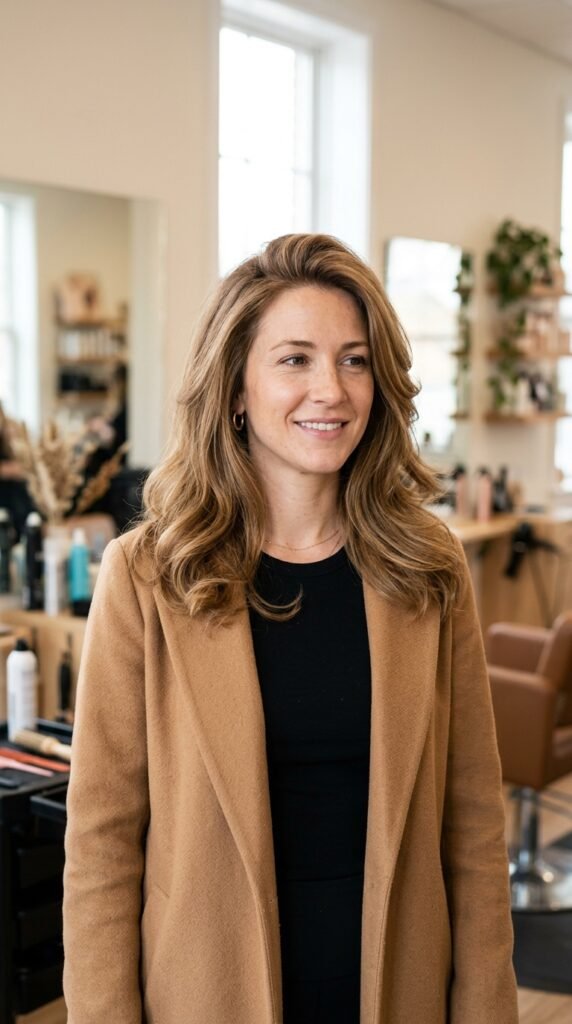
Salon inspiration boards have a specific version of the blown-out style dominating them right now — softer than a structured blowout, fuller than a simple blow-dry, with a finish that sits somewhere between polished and undone in a way that feels genuinely current. It’s not attached to a single celebrity reference or a specific decade detail; it’s more of a mood. Hair that looks like it was styled by someone who knew exactly what they were doing but didn’t need anyone to know that.
Wearing this look changes the register of almost any outfit beneath it. There’s a self-assurance that comes with hair that sits this well — not because it’s formal or high-effort, but because it reads as completely intentional. Women who switch to this from their usual routine consistently mention that the response they get is less “I like your hair” and more “you look different today” — which is often the more interesting compliment. The version that follows is built around a very specific face shape consideration, and the result is one of the more quietly flattering looks on this list.
18. 90s Blowout for Heart-Shaped Faces With Root Lift
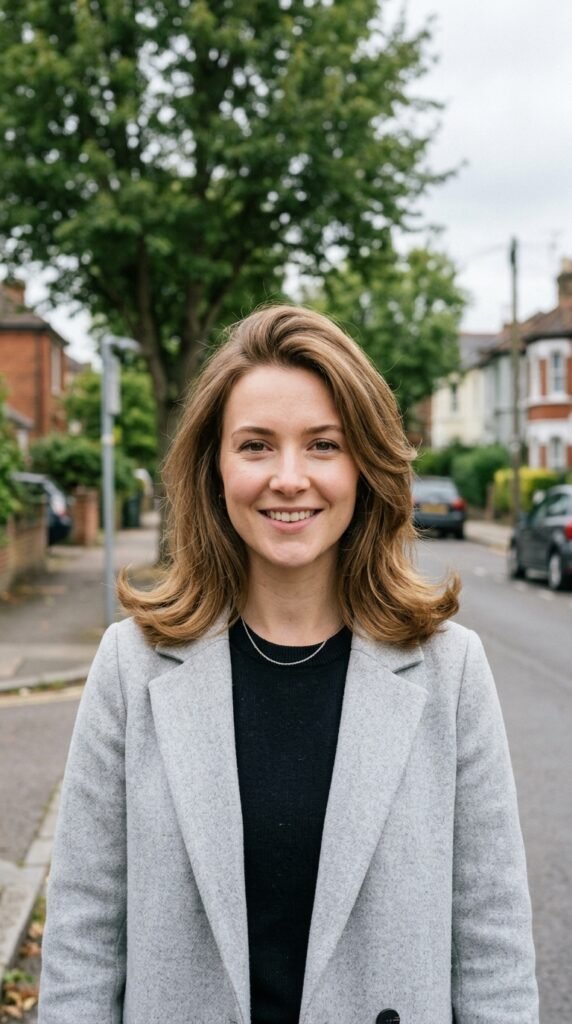
Heart-shaped faces — wider at the forehead, narrowing toward the chin — benefit from volume that starts at the mid-length rather than the crown. Leading with too much root lift on this face shape draws attention upward and widens the forehead visually, while volume through the lengths and ends creates the balance the face shape is actually asking for. This version of the 90s blowout places its fullness deliberately: moderate at the roots, building through the mid-section, with ends that curve outward just below the jaw to add width where the face naturally narrows.
A large-barrel round brush through the mid-lengths and ends — with a smaller barrel reserved only for the root sections where lift needs to be controlled — gives you the shape without the inadvertent width at the top. Work the larger brush slowly through the lengths on medium heat, using a slight outward rotation at the ends to encourage that jaw-level fullness. The finishing step matters here: a light-hold spray applied before the hair fully cools sets the curve in place without weighing the ends down. The look that follows has been a consistent salon request for specific reasons that hold up on close examination.
19. The Jennifer Aniston-Era Blowout Still Worth Requesting

The mid-to-late 90s version of Jennifer Aniston’s hair — not the Rachel, but the softer, less structured blowout she wore through the latter half of the decade — is one of those styles that has aged in the best possible way. It never relied on a sharp flip or extreme volume; the appeal was always in the movement. Long layers, a shape that fell naturally around the face, and a finish that looked like genuinely healthy hair rather than a styled result. Women with straight to wavy hair between shoulder and collarbone length land closest to the original.
Ask for this at your next appointment with: “Long-layer blowout, soft movement, nothing structured — think late-90s Jennifer Aniston.” Stylists who have been working long enough to remember the original will appreciate the reference immediately, and younger stylists will know the visual from Pinterest boards that have kept it circulating. The detail worth specifying is the layers — without them, the movement that makes this style work tends to flatten out within a few hours, and the whole point of the look is in how the hair shifts when you move. The final look on this list addresses a face shape that this one doesn’t — and it does it with real precision.
20. Square Face 90s Blowout With Softness Where It Counts

Square face shapes have strong, defined jawlines and relatively equal width at the forehead and jaw — which means the goal of any good blowout for this face shape is softening the angles rather than amplifying them. This version keeps the volume rounded rather than structured, avoids any sharp flip at the ends that would echo the jaw’s angularity, and places the fullness slightly above the temples to draw attention to the upper face. The result is a 90s blowout shape that works with the face rather than against it.
A large-barrel round brush through the full length of the hair — with a slow, inward rotation on the final pass — creates the curved, soft ends this face shape needs. Avoid finishing products with a high-shine finish on the ends; a matte or natural-finish spray keeps the softness intact and prevents the ends from looking sharp under light. The complete look is rounded, relaxed, and genuinely flattering — a 90s blowout that knows exactly what it’s there to do.
Conclusion
The 90s blowout earned its place for a reason — and these 20 looks make it clear that reason hasn’t expired. From fine hair to curly hair, round faces to square ones, everyday mornings to date nights, there’s a version here that was built for exactly your hair and exactly your life. Save the ones that speak to you, screenshot the face shape that matches yours, and bring it to your next appointment with confidence. The right look is already on this list — it just needs the right stylist and the right chair.
FAQ’S
What is a 90s blowout?
A 90s blowout is a voluminous, round-brush blow-dry style defined by lifted roots, full body through the mid-lengths, and ends with soft directional movement. It was popularized by celebrities like Jennifer Aniston and Cindy Crawford and remains one of the most requested salon styles today.
Is a 90s blowout good for fine hair?
Fine hair works well with a 90s blowout when prepped correctly. A volumizing mousse applied to damp roots before heat, combined with a medium-barrel round brush focused at the crown, builds lift that holds. Avoid heavy finishing products — they collapse the volume fine hair works hard to create.
Can I do a 90s blowout at home?
Yes, with a medium-barrel round brush, a blow dryer with a concentrator nozzle, and sectioned drying from the nape upward. The crown section determines the whole result — give it the most time and tension. A cool shot at the end of each section locks the shape before you move on.
How long does a 90s blowout last?
A 90s blowout typically holds for two to three days depending on hair type, humidity, and finishing products used. Thick hair holds the shape longest. Sleeping on a silk pillowcase and avoiding touching the roots preserves volume significantly between wash days.
What products do I need for a 90s blowout?
A volumizing mousse for damp roots, a medium-hold heat protectant, and a light-hold finishing spray are the three essentials. Avoid serums or smoothing creams through the roots — they eliminate the lift the 90s blowout depends on. A shine-enhancing oil on the ends only adds the final polish.
Is the 90s blowout back in style?
The 90s blowout never fully disappeared from salon menus, but it has seen a clear resurgence across Pinterest boards, TikTok beauty content, and celebrity red carpet appearances over the last two years. The current version leans slightly softer than the original but keeps the same defining elements — root volume, body, and directional ends.