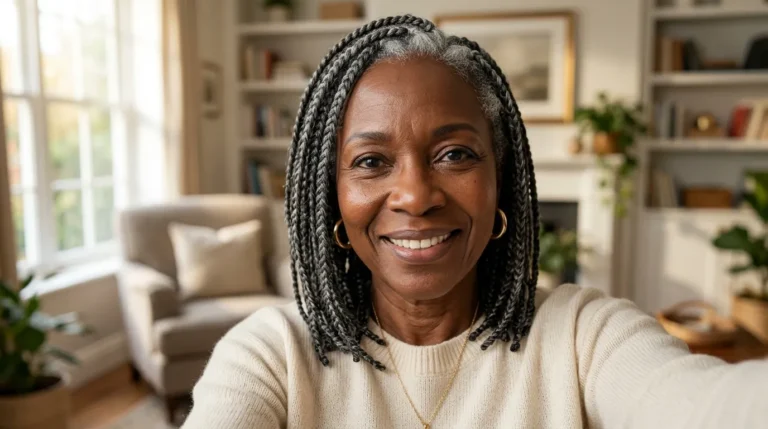
20 Cute 90s Hairstyle Fine Hair Girls Are Loving
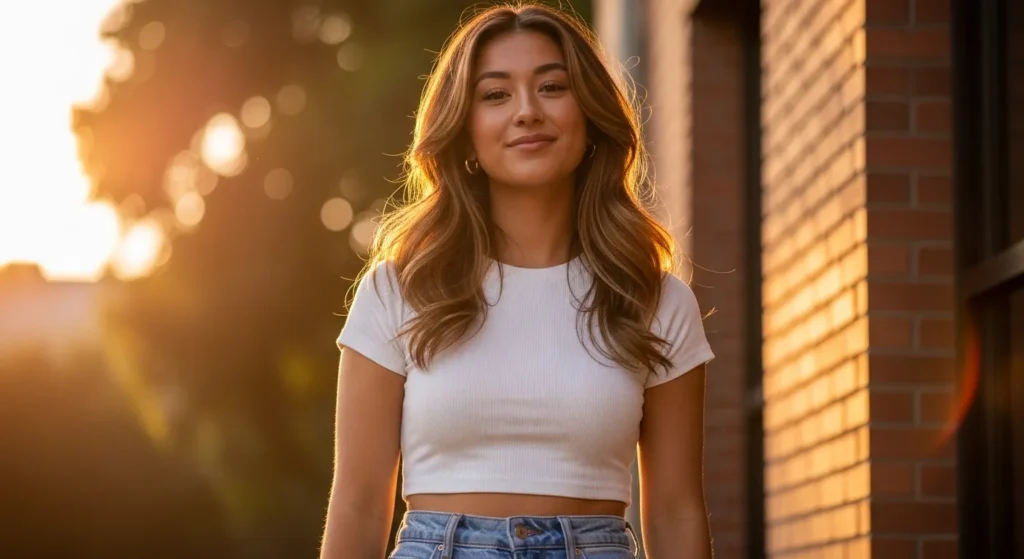
The 90s never really let go of fine hair — and fine hair never really let go of the 90s. From Rachel Green’s layered cut to Brandy’s crimped ends, that decade produced some of the most flattering styles ever created for thin strands. This list pulls together 20 of the best 90s hairstyle fine hair looks that actually work — not just in photos, but in real life, on real hair. Start scrolling and find the one worth screenshotting for your next salon visit.
1. The Rachel Cut That Finally Works On Fine Hair
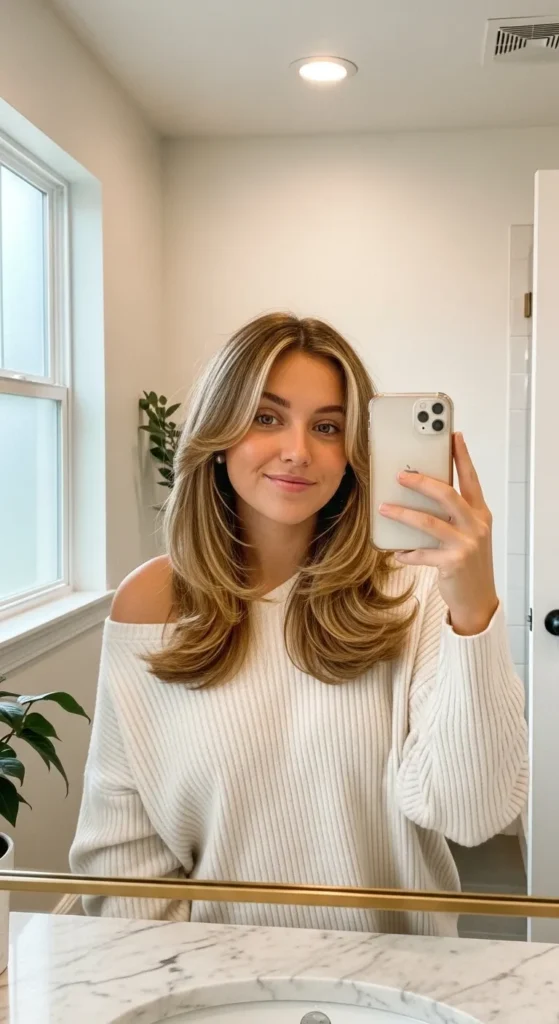
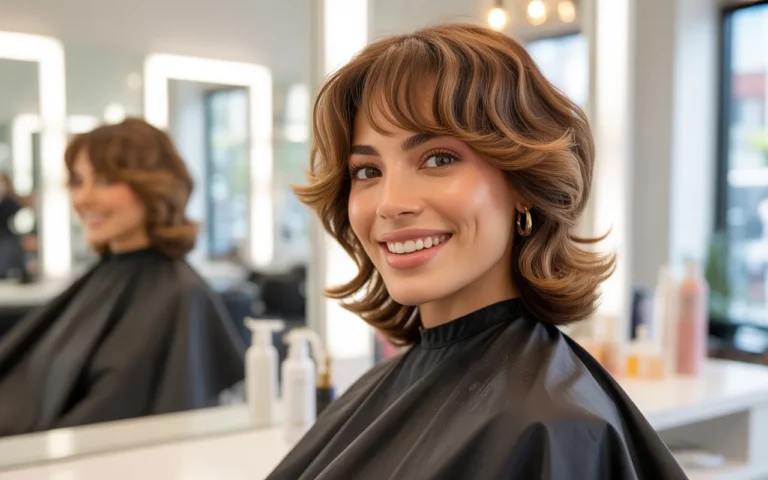
The Rachel cut has a reputation for suiting thick, voluminous hair — but the version that works for fine hair is a slightly different ask. This variation keeps the signature face-framing layers but cuts them closer together, so thin strands aren’t spread too thin across the shoulders. It works best on fine hair with a natural wave or slight movement, and on oval and heart-shaped faces where those front layers land with intention rather than just hanging flat.
Ask your stylist for “Rachel-inspired layers with tighter graduation and minimal weight removal at the ends.” That one sentence tells them you want the shape without sacrificing the density fine hair needs to hold it. Stylists who work with fine hair regularly will immediately know to keep the back fuller while focusing the layering movement around the face — which is exactly where this cut earns its compliments.
2. 90s Hairstyle Fine Hair Girls Are Requesting At Salons
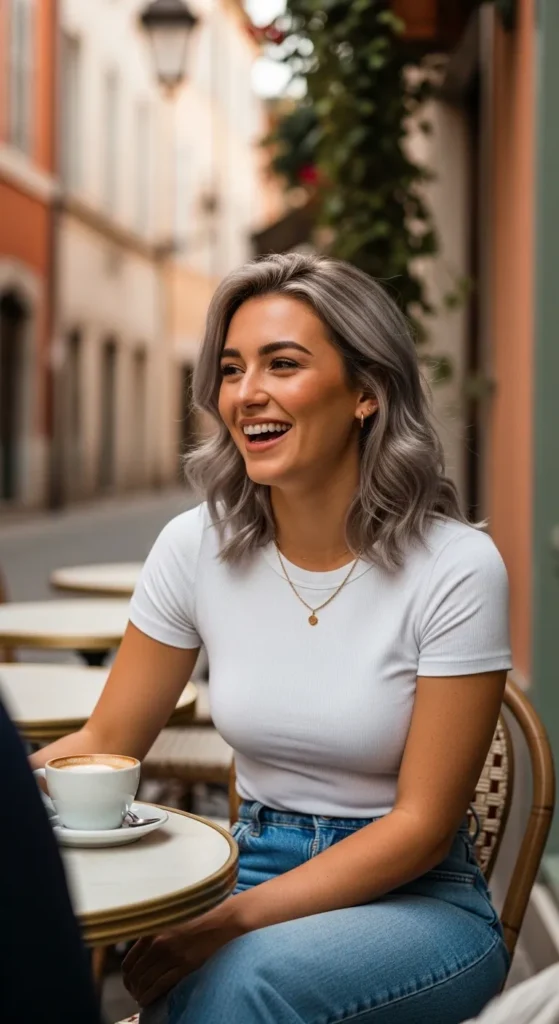
Soft, side-swept, and just undone enough to feel effortless — this is the 90s hairstyle fine hair owners have been quietly requesting more and more at salon appointments. It’s a blended style that borrows from the decade’s love of natural texture: pieces that fall forward, ends that turn slightly inward, and a root that isn’t pressed flat. Fine hair actually carries this look well because the lightness of the strands gives it that natural, barely-styled finish the 90s were known for.
Tell your stylist: “I want a 90s-inspired cut with soft layers that don’t thin out my ends — keep the weight.” Those words signal that you’re after movement, not volume through removal. Salons are seeing this request more often now, and stylists who specialize in fine hair know exactly how to layer without leaving thin ends that lose shape by noon.
3. Crimped Ends That Give Fine Hair Instant Volume
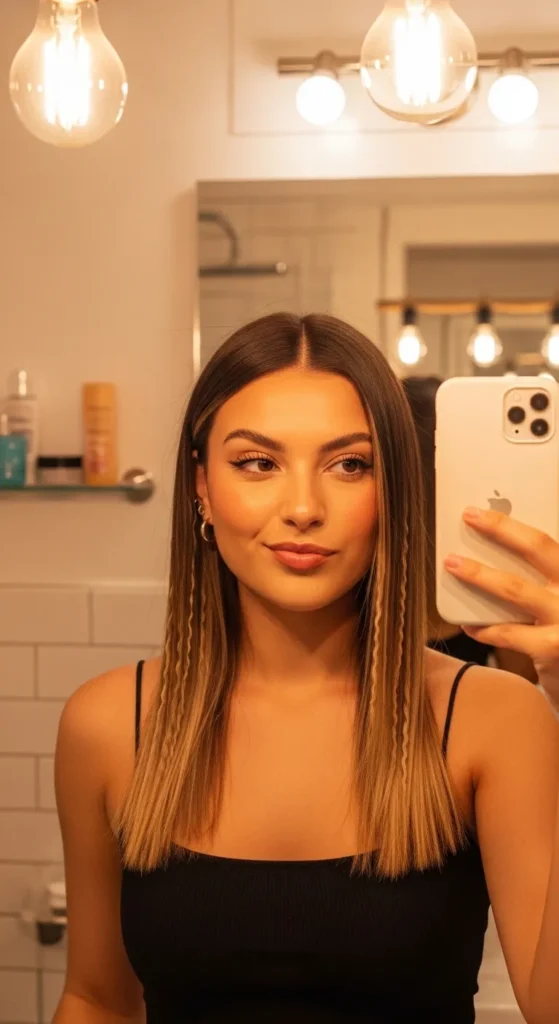
Crimping just the bottom two to three inches of fine hair is one of the most underrated volume tricks from the entire decade. It doesn’t touch the root or the mid-shaft, so the overall silhouette stays sleek and intentional — but the ends fan out slightly, creating the illusion of thickness without any product buildup weighing strands down. This works particularly well on fine hair that’s been cut blunt or with minimal layers, where the ends tend to look wispy and flat by mid-afternoon.
This look is having a specific cultural moment right now — not because of nostalgia alone, but because the wand and mini-crimper market has exploded, making the finish much more polished than the crunchy crimps of the original era. Pinterest boards dedicated to 90s texture have been saving this end-crimp variation more than any other crimped style this season, and it’s showing up in editorial shoots as a deliberate styling choice rather than a throwback gimmick.
4. The Brandy-Inspired 90s Hairstyle Fine Hair Loves
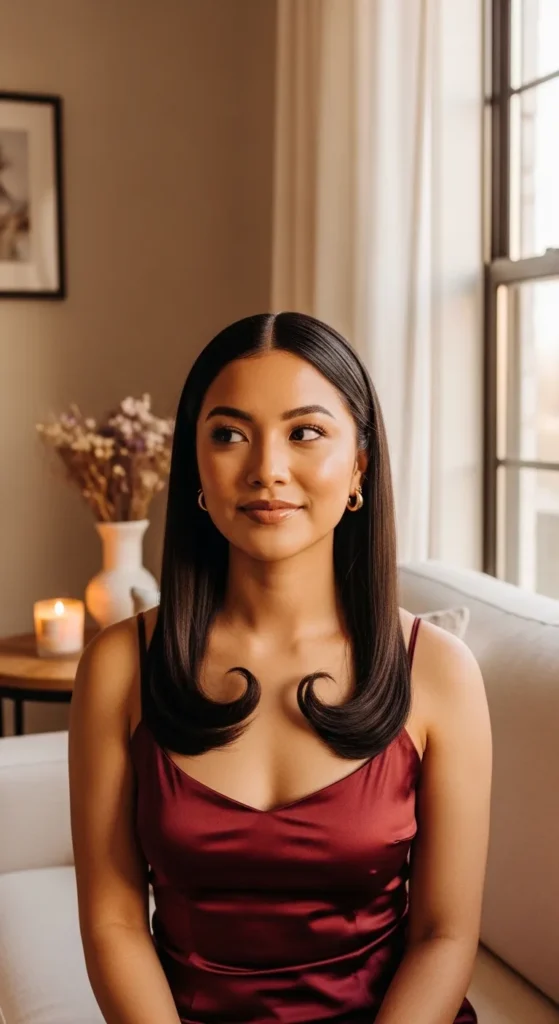
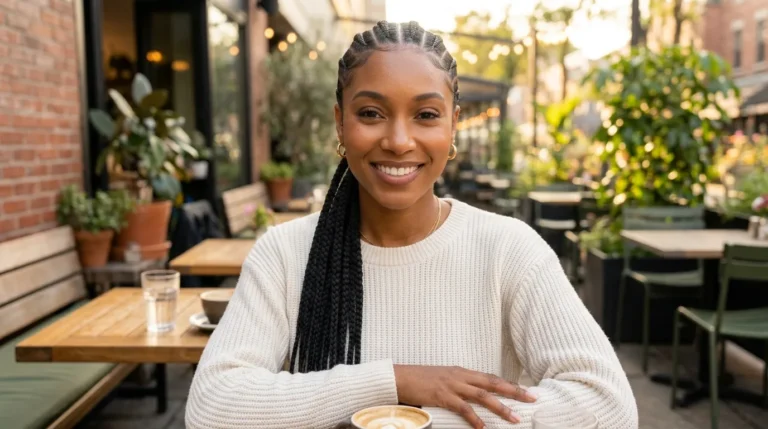
Brandy’s signature look through the mid-90s — micro braids, defined parts, and later her smooth, straight styles with curved ends — gave fine-haired girls a reference point that felt achievable. The most wearable version for fine hair today takes her curved-end blowout: hair dried smooth with a medium-barrel brush, then curled under at the ends with a 1-inch barrel to create that slight, intentional flip. It frames the face without adding bulk, and the result is polished without being stiff.
Brandy consistently wore her hair with a strong center or deep side part, which is exactly what makes this 90s hairstyle fine hair friendly — the part itself creates the illusion of volume on one side without requiring the hair to do heavy lifting. Stylists who work with finer textures often reference her mid-90s press-and-curl as a masterclass in making thin strands look deliberately styled rather than simply flat.
5. Half-Up Butterfly Clip Look For Thin Strands
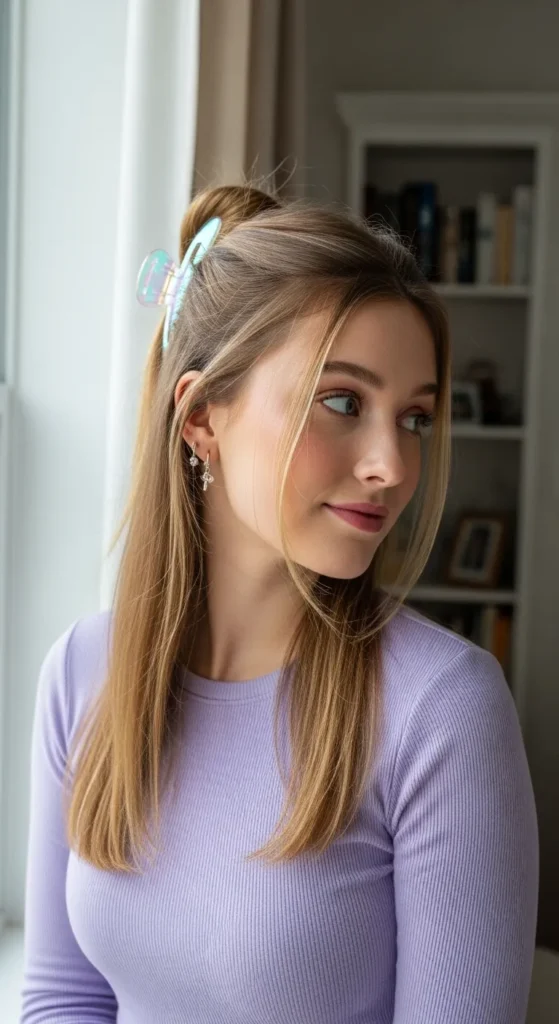
Pulling the top section of hair up and securing it with an oversized butterfly clip is a look fine hair actually has an advantage with — lighter strands sit higher and hold the clip’s shape without dragging it down. The key is taking a slightly larger section than feels natural, because fine hair compresses once clipped, and a section that looks generous on its own reads proportionate once it’s up. Leave a few pieces out around the face to soften the front line.
This particular style took over Pinterest in a way that most 90s revivals haven’t — because it requires zero heat, zero product, and about forty-five seconds. It’s showing up consistently in “easy fine hair looks” and “no heat 90s styles” searches, which tells you exactly why it’s resonating. The butterfly clip moment isn’t just nostalgia — it’s a practical answer for fine hair that doesn’t hold curls past noon.
Also Visit : 20 Mob Wife Hairstyles to Save Before Your Next Salon Trip
6. The 90s Hairstyle Fine Hair Owners Keep Pinning
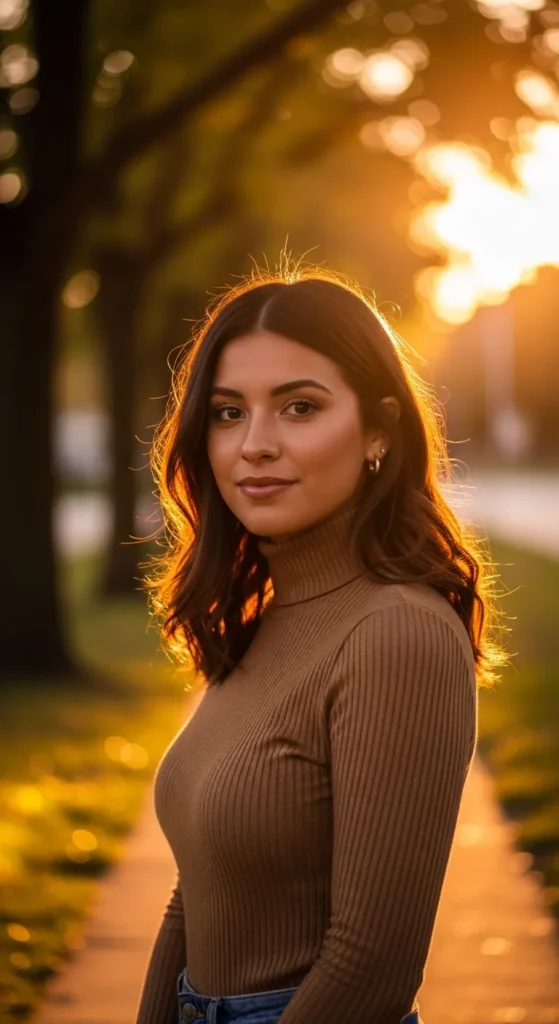
Soft, face-framing flicks with a barely-there root bump — this is the 90s hairstyle fine hair owners keep saving on Pinterest without always knowing exactly what to call it. It sits somewhere between a blowout and a straight style, with just enough bend at the ends to keep it from looking flat. Fine hair carries this well because the strands are light enough to hold a subtle bend without needing heavy product to maintain it through the day.
What makes people stop scrolling for this one is how it photographs. The slight movement at the ends catches light differently than a fully straight style, and the face-framing pieces create natural shadow and dimension in photos — which is exactly why it performs so well on Pinterest boards dedicated to 90s hair. Flat-lay and portrait shots both pick up the texture in a way that reads polished rather than undone, and that visual contrast is what drives the saves.
7. Sleek Middle Part That Flatters Every Face Shape
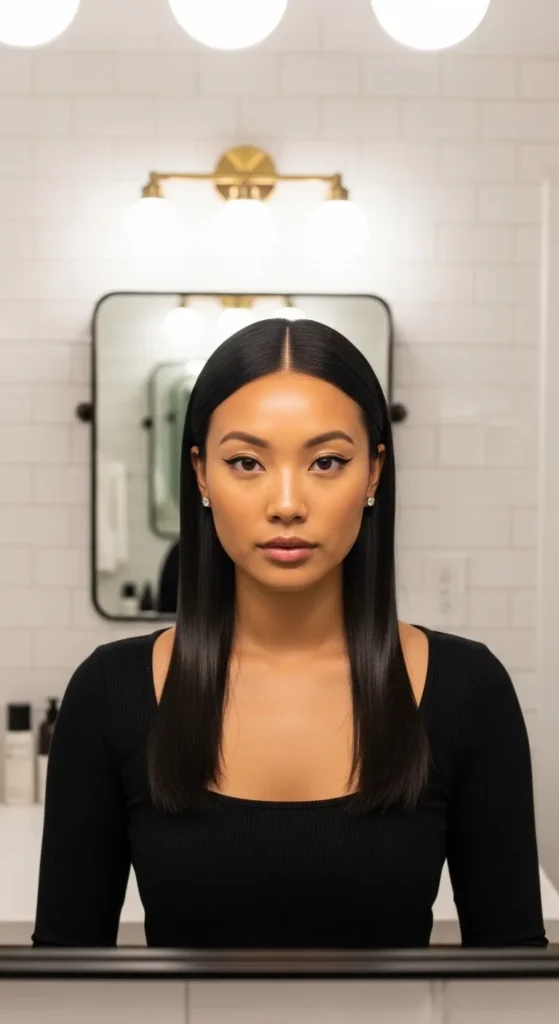
A center part pulled completely smooth, with hair falling straight down both sides and just a touch of shine serum to seal it — this was one of the decade’s most repeated silhouettes, and it works harder for fine hair than most people expect. Because fine strands lie flat naturally, the sleek middle part requires almost no effort to execute, and the result looks intentional rather than low-effort. It suits oval faces particularly well, but a slight adjustment in where the part sits can make it work for rounder or squarer face shapes too.
Lisa Bonet wore this exact silhouette through much of the early 90s — smooth, center-parted, and effortlessly controlled — and it became a reference point for a generation of stylists working with straight to wavy fine hair. Her version had a particular stillness to it that came from using just enough product to eliminate frizz without adding weight, which is the exact balance fine hair needs to pull this off without looking limp.
8. TLC-Era Space Buns For Ultra-Fine Hair
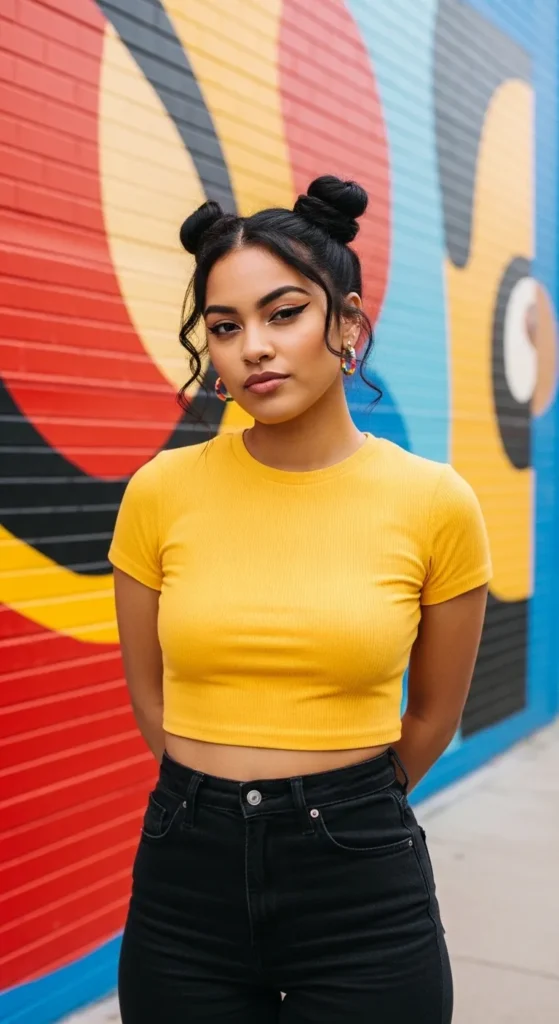
Space buns hit differently on ultra-fine hair — instead of the full, round buns that thicker hair naturally forms, fine strands create smaller, tighter buns that sit higher on the head and have a more graphic, intentional look. That’s not a compromise — it’s actually closer to the original TLC-era aesthetic, where the shapes were precise and deliberate rather than oversized. Pulling the buns tight and letting a few wispy pieces fall around the ears gives ultra-fine hair a structured finish that feels current rather than costume-like.
Left-Eye Lopez and T-Boz both played with segmented, architectural hair shapes throughout their mid-90s run, and the space bun sits directly in that lineage. Wearing this style now carries that same bold, unbothered energy — it communicates confidence without trying to communicate confidence, which is exactly why it keeps appearing in 90s revival editorial content alongside the softer, more romantic looks from the same era.
9. 90s Hairstyle Fine Hair Roundup Stylists Swear By
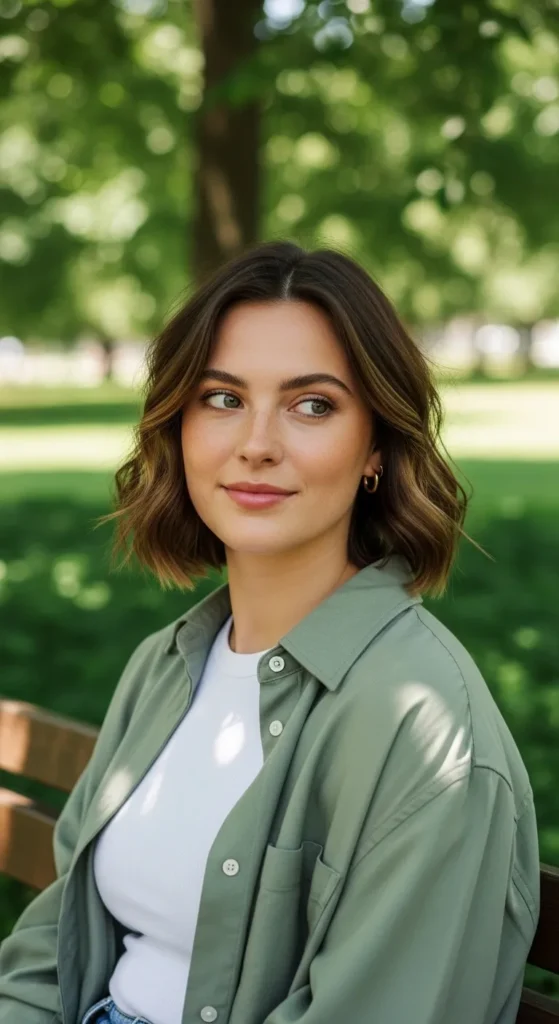
Layered, collarbone-length hair with a slight internal curl and a clean root — this is the cut and finish combination that keeps appearing on every credible 90s hairstyle fine hair list stylists actually stand behind. The length hits at a point where fine hair retains enough weight to swing properly, and the internal curl at the ends adds movement without requiring the hair to hold a full curl. It’s the kind of result that looks like you put in significant effort even when the styling time was under fifteen minutes.
Stylists who work specifically with fine hair recommend this length and finish combination because it solves the two most common complaints: ends that look thin and flat, and a style that collapses before lunch. The internal curl seals the ends slightly, making them appear denser, and the collarbone length keeps the hair heavy enough to move with purpose rather than just sitting there. The next look approaches the same challenge from a completely different angle.
10. Wispy Curtain Bangs That Make Fine Hair Look Fuller
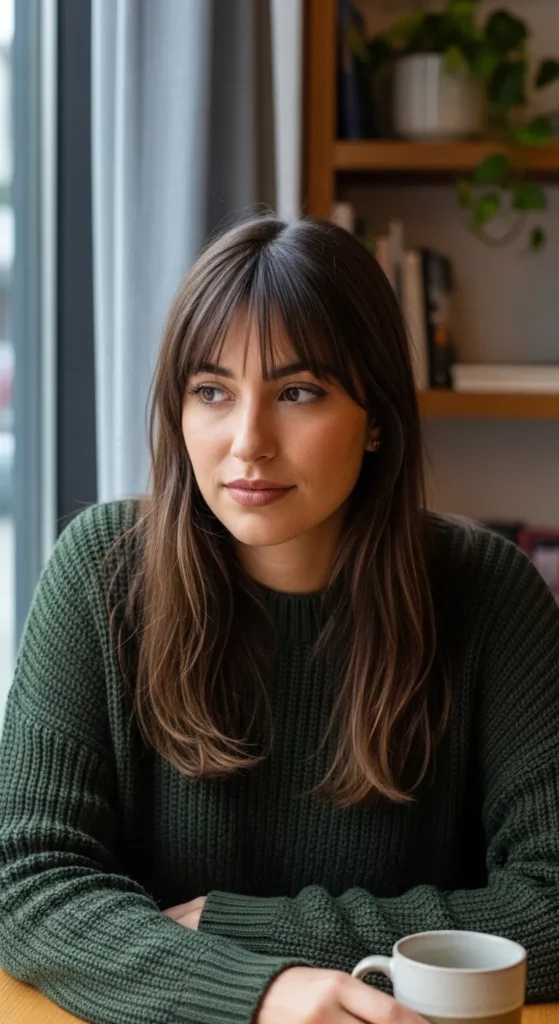
Curtain bangs cut specifically for fine hair are different from the standard version — they need to be cut slightly thicker at the base and tapered more gradually, so the ends don’t disappear into the rest of the hair. When done right, they create a soft frame around the upper face that draws the eye away from flat roots and toward the features instead. Fine hair actually grows curtain bangs well because the lightness of the strands means they part and fall naturally without needing daily restyling.
These bangs connect directly to the 90s through the Spice Girls era — all five of them cycled through some version of a face-framing fringe at various points, and the curtain bang was the softest, most wearable interpretation of that look. Late autumn and winter are when this style gets requested most, because the bangs add warmth around the face and work seamlessly with the hats and scarves that would otherwise flatten a full style completely.
11. The Alicia Silverstone Blowout For Thin Hair
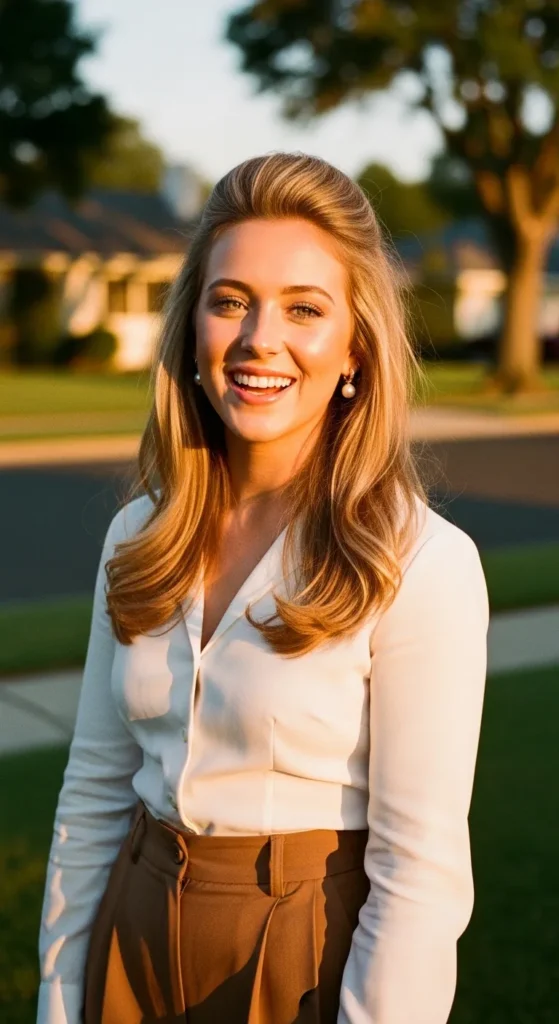
Alicia Silverstone’s hair throughout the mid-90s — voluminous at the root, flipped softly at the ends, and always looking like it had just been professionally finished — became one of the most referenced blowout styles of the entire decade. For thin hair, the key to recreating it is a medium-barrel round brush used at the root first, lifting each section before bringing the brush down the shaft. That root lift is what gives the style its signature fullness without requiring thick strands to deliver it.
What people actually notice about this blowout on thin hair isn’t the volume — it’s the finish. The ends have a deliberate, curved shape that signals effort and intention, and that detail reads as polished in a way that a simple straight blowout doesn’t. Thin hair that’s been blown out with this technique catches light along the curve of the ends, creating a softness that photographs beautifully and holds its shape well into a second wear.
12. 90s Hairstyle Fine Hair Look That Turns Heads
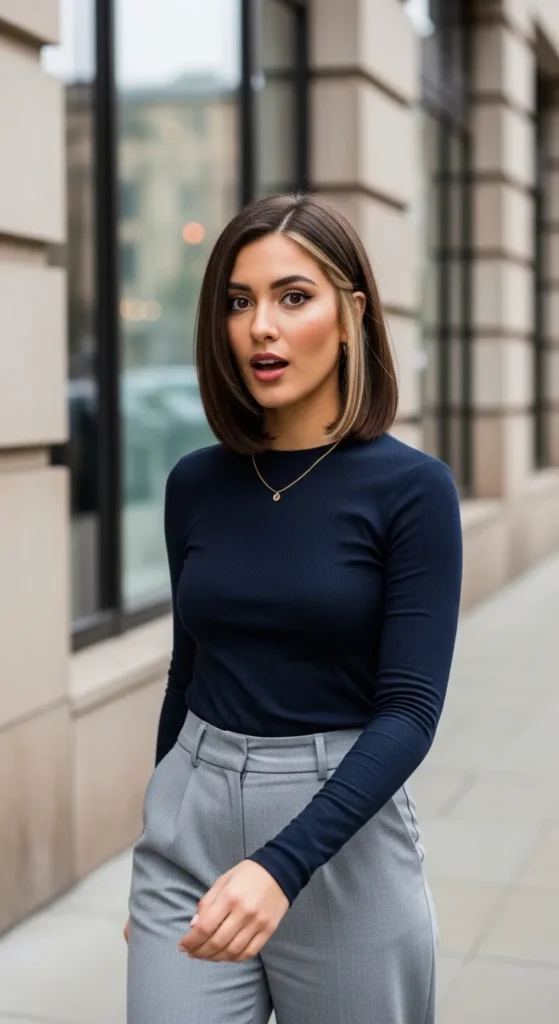
Glossy, collarbone-grazing hair with a deep side part and a single face-framing piece pulled slightly forward — this is the 90s hairstyle fine hair look that reads as effortless but lands as intentional. The deep side part does the structural work, creating natural volume on the heavier side while the lighter side falls close to the cheek. Fine hair handles this silhouette particularly well because the strands are smooth enough to hold the part cleanly without flyaways disrupting the line.
This look gets compliments specifically because of the contrast it creates — one side full and lifted, the other side sleek and close. People notice that contrast even without being able to name it, and it’s what makes the style feel considered rather than default. The single face-framing piece is the detail that pulls it together, giving the eye a focal point that a fully tucked style doesn’t have.
13. Voluminous Blowout That Fools Everyone About Your Thickness
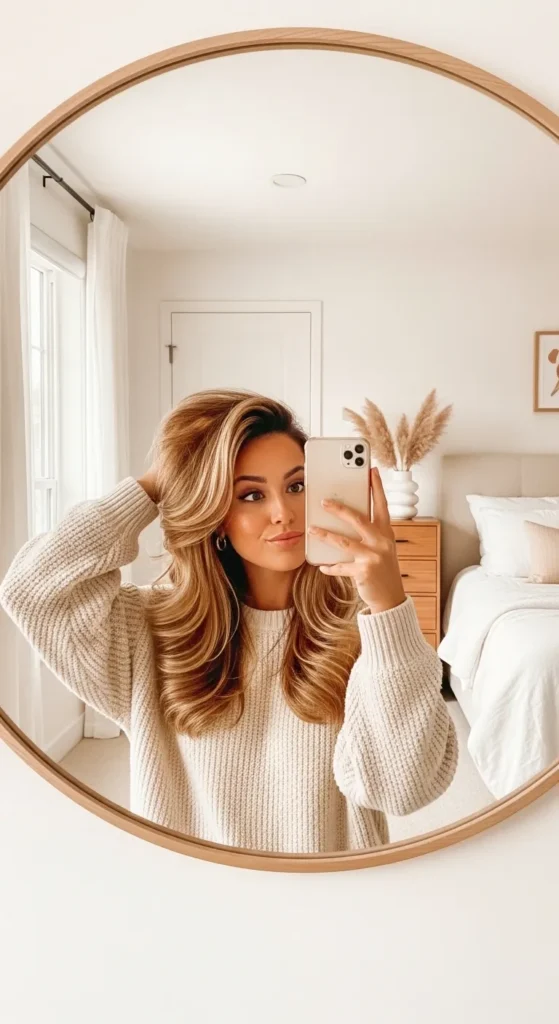
Root-lifted, bouncy, and moving with every step — a voluminous blowout on fine hair works when the technique prioritizes lift over curl. Blow drying each section upward and away from the scalp with a boar-bristle round brush, then releasing and letting it cool completely before touching it, is what locks in the height. Fine hair holds a blowout best when it cools in the lifted position rather than being touched while still warm — that single habit changes how long the volume actually lasts.
This is the style that holds up best through a full work day on fine hair — not because it’s heavily producted, but because the structure comes from the dry itself rather than anything sitting on the strand. A light-hold volumizing spray at the root before drying is the only product most fine-haired people need, and keeping the formula lightweight means the hair stays touchable rather than crunchy by afternoon.
14. The Scrunchie Ponytail Fine Hair Actually Pulls Off
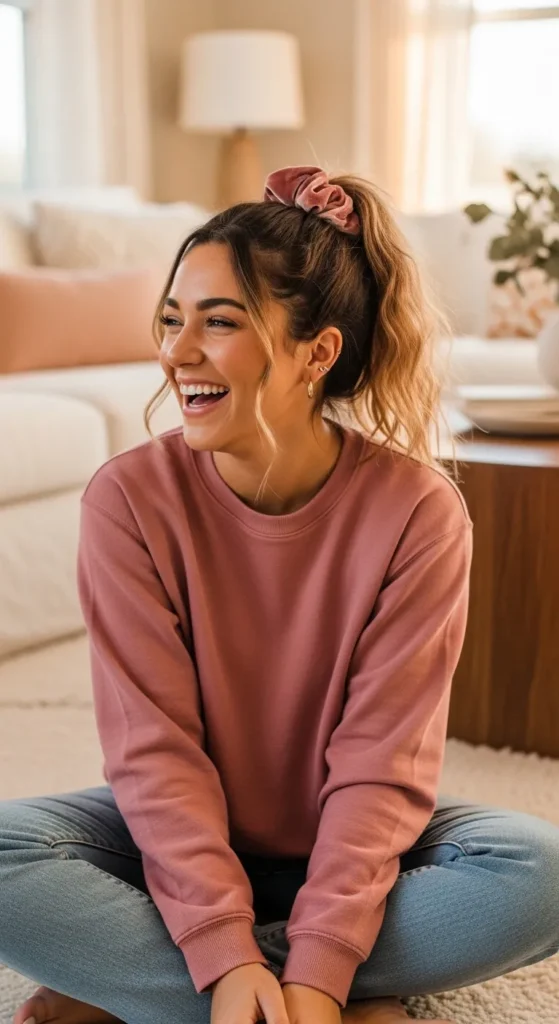
A high ponytail secured with an oversized velvet or satin scrunchie, with a few face-framing pieces left out at the front — this is the version of the 90s ponytail that fine hair genuinely wears well. The scrunchie matters more than it seems: fabric scrunchies don’t pull fine strands tight at the base the way elastic does, which means the ponytail sits with a slight softness at the root rather than looking pulled flat. That softness is what gives fine hair its volume in this style.
Tell your stylist you want a “90s scrunchie pony with a teased base and loose face pieces” — those words give them everything they need to build height at the crown before securing the tail. Backcombing just the root section lightly before putting the hair up is the detail that keeps fine hair from looking like a limp tail by the end of the day, and most stylists who work with fine hair will do this automatically once they understand the look you’re after.
15. 90s Hairstyle Fine Hair Picks From Real Stylists
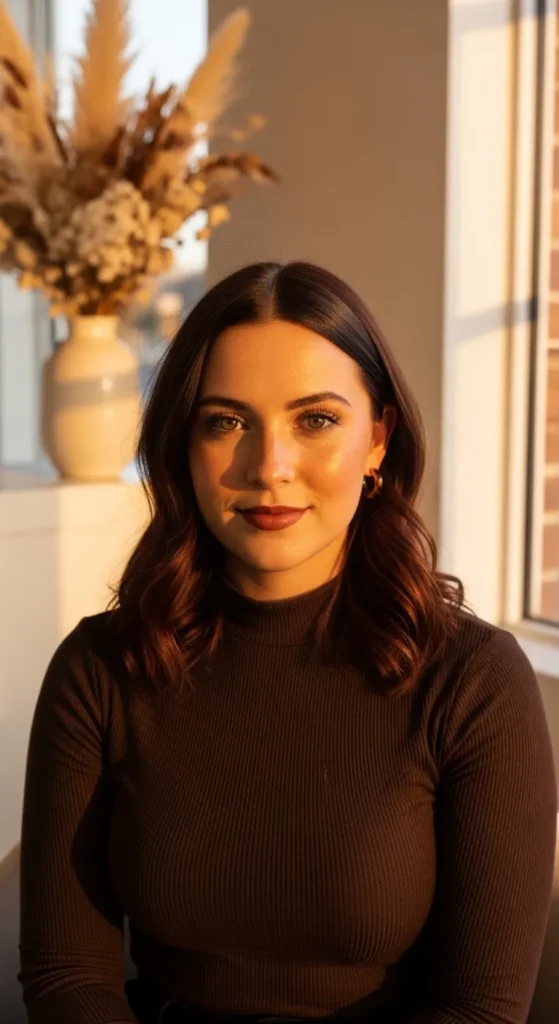
Soft, lived-in waves that start mid-shaft and leave the root completely smooth — this is consistently one of the top 90s hairstyle fine hair recommendations that comes directly from stylists who work with thin strands every day. Starting the wave at the mid-shaft rather than the root keeps fine hair from looking overworked at the top while still delivering movement and texture through the lengths. The smooth root reads as intentional rather than flat, and the wave below it creates the volume illusion fine hair needs.
Autumn is when this style gets requested most in salons — the mid-shaft wave works with the natural static and movement that cooler, drier air brings to fine hair, rather than fighting against it. Fine strands that go limp in summer humidity often find their best texture in the fall months, and this wave style is built specifically to take advantage of that seasonal shift. The look that follows takes that same mid-shaft energy somewhere more structured.
16. Side Crimped Style That Works For Round Faces
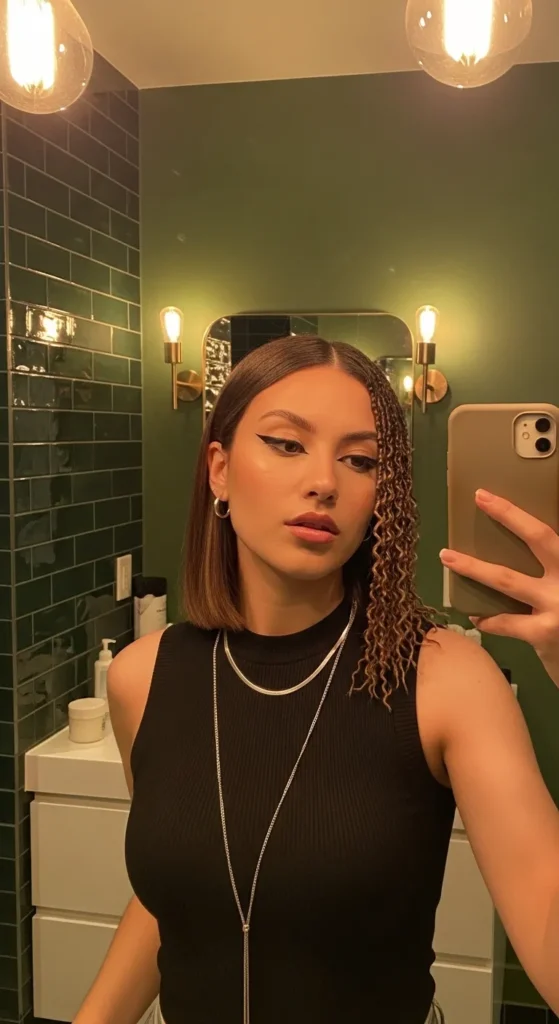
Crimping one side of the hair from mid-shaft down, leaving the other side smooth, is a deliberate asymmetry that works particularly well for round faces — the textured side draws the eye outward and creates an illusion of length that a symmetrical style doesn’t deliver. Fine hair takes the crimp cleanly because there’s no bulk fighting the pattern, and the result has a graphic, editorial quality that reads as intentional rather than nostalgic. Keeping the smooth side tucked behind the ear sharpens the contrast further.
How this photographs is a large part of why it keeps appearing on 90s revival mood boards — the asymmetry creates visual interest from every angle, and the crimp pattern catches light in a way that adds apparent texture and density to fine strands. Portrait shots pick up the contrast between the smooth side and the crimped side as a compositional element, which is exactly why this style performs consistently well on Pinterest even outside of dedicated 90s hair searches.
17. Destiny’s Child-Inspired Layers For Fine Strands
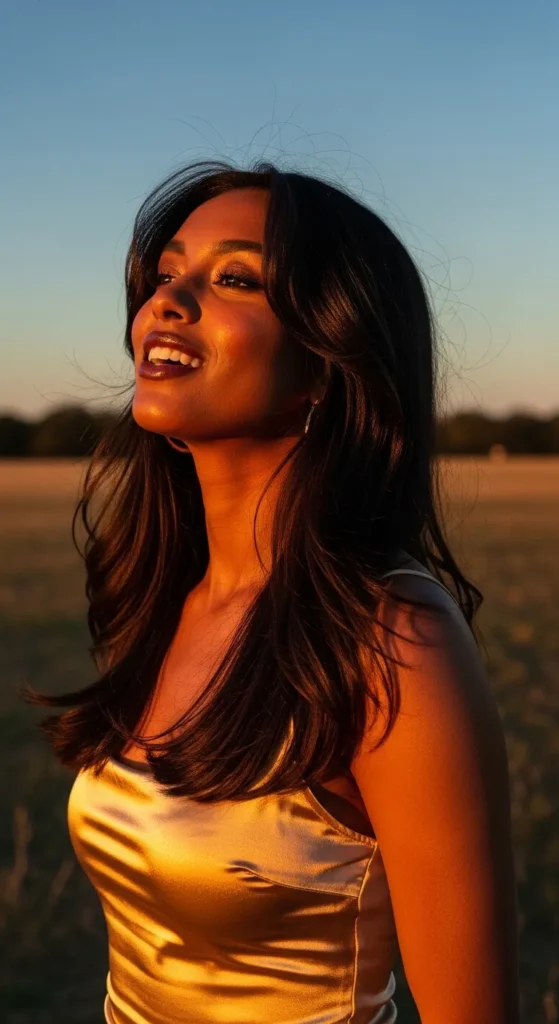
Long, face-framing layers that start at the cheekbone and graduate down to the collarbone — this is the layering structure Destiny’s Child cycled through across their entire mid-to-late 90s run, and it’s one of the most flattering cuts fine strands can carry. The layers are cut to remove weight strategically rather than randomly, which means the hair retains density where it needs it while gaining movement at the front. Fine hair benefits specifically because the graduation keeps the ends from looking sparse while the face-framing pieces do the visual work.
Wearing this cut gives fine hair an emotional shift that’s hard to explain until you’ve experienced it — the layers move when you move, which makes the hair feel present and alive rather than just sitting there. That sense of movement is what made this layering style so widely copied in the first place, and it translates just as well now because the underlying geometry of the cut hasn’t changed. The style that follows channels a completely different kind of 90s energy.
18. 90s Hairstyle Fine Hair Trend Taking Over Pinterest
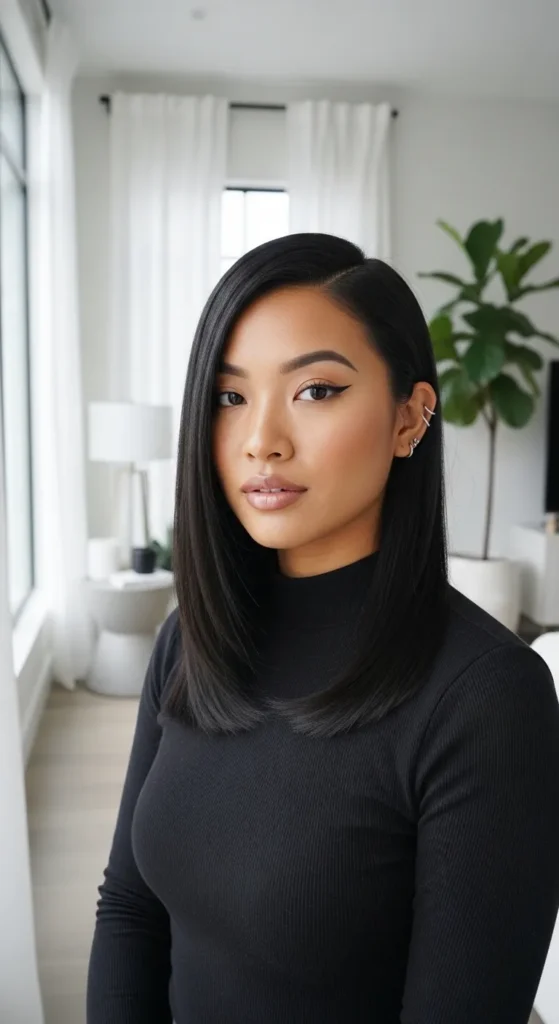
Straight, glossy hair with a strong side part and ends that curve slightly inward — this particular 90s hairstyle fine hair combination has been accumulating saves on Pinterest at a pace that puts it ahead of most other decade-specific hair searches right now. The inward curve at the ends is the detail that separates it from a basic straight blowout, and it’s subtle enough that most people can’t immediately identify what makes the style look so polished. Fine hair delivers this finish with less effort than thicker hair because the strands naturally fall smooth.
The trend is being driven partly by a broader cultural shift back toward sleek, low-manipulation styles after several years of heavily textured and maximalist hair dominating feeds. Fine-haired content creators have been leading this particular wave because their hair type naturally suits the smooth, graphic silhouettes the aesthetic demands — and their results are the ones getting the most reshares and saves across 90s hair boards this season.
19. Feathered Layers That Give Fine Hair a Second Life
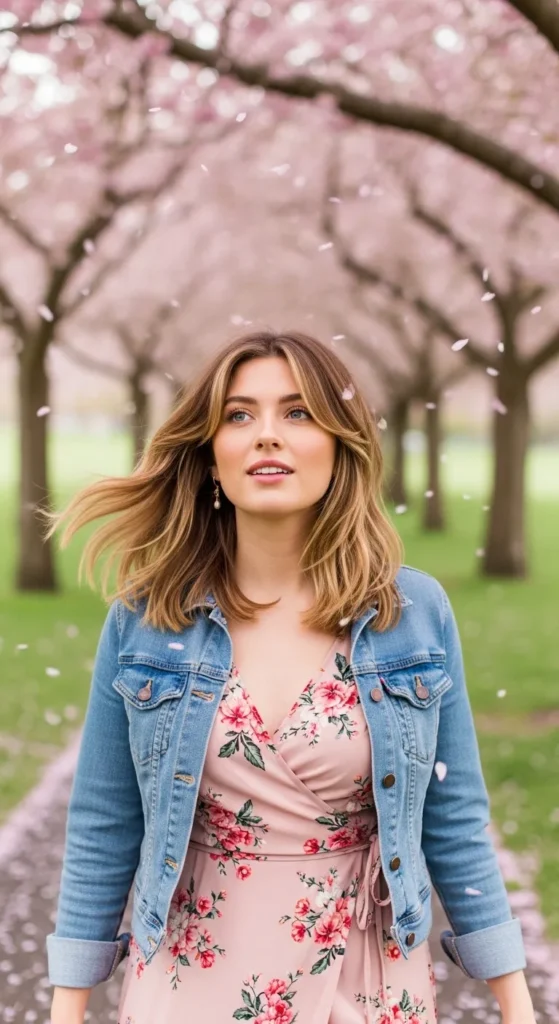
Feathered layers — cut so that each layer flicks softly outward rather than falling straight — are one of the few layering techniques that genuinely add apparent volume to fine hair rather than just creating the illusion of movement. The flick at each layer end fans the hair slightly, so the overall silhouette appears fuller than the actual density of the strands. This works best on fine hair that sits between the chin and the shoulder, where the layers have enough length to develop the feathered shape without the ends becoming too wispy.
Late winter and early spring are when feathered layers come back into salon rotation most strongly — the style works with the static and flyaways that dry winter air creates in fine hair, using that natural lift as part of the look rather than something to be smoothed down. Fine hair that’s been fighting flat, heavy styles through the colder months tends to respond particularly well to this cut because the feathering gives the strands direction and shape that product alone can’t manufacture.
20. The Lazy Girl 90s Blowout Fine Hair Can Handle
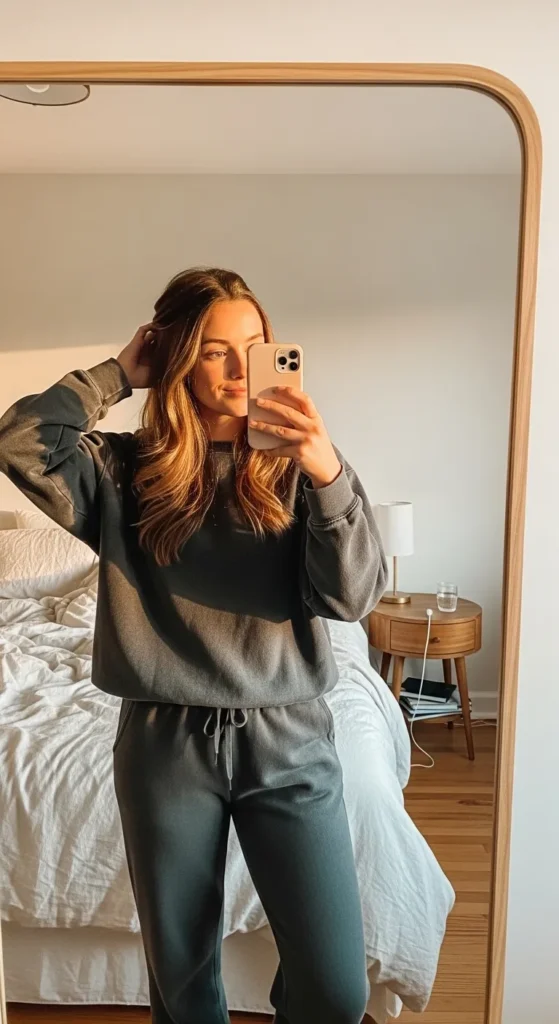
A root-lifted blowout that requires nothing more than a round brush, a low-heat dryer setting, and ten minutes — this is the version of the 90s blowout built specifically around what fine hair can realistically hold without collapsing. Drying the root section first on a medium heat setting, then switching to cool air to set each section before moving to the next, gives fine strands the structure they need to maintain lift through the day. The cool air step is the one most people skip, and it’s the one that makes the most difference.
Wrapping each dried section loosely around the round brush one final time on the cool setting seals the cuticle and locks in the shape — a medium-barrel brush, nothing larger, keeps the root lift concentrated rather than spread too wide across fine strands. This finish holds well even on second-day hair, which makes it the most practical entry point on the entire list for fine hair that doesn’t want to commit to a full styling routine every morning.
Conclusion
The 90s gave fine hair some of its most flattering moments — and this list proves those moments are still just as wearable today. From the Rachel cut to the lazy girl blowout, every look here was chosen specifically because it works with fine strands rather than against them. You don’t need thick hair to pull off a decade that was built on movement, texture, and shape. Save the ones that speak to you, bring your favorites to your next appointment, and let your stylist make it yours.
FAQ’s
What is a 90s hairstyle for fine hair?
A 90s hairstyle for fine hair is any decade-specific cut or style adapted to work with thin strands — think Rachel layers, crimped ends, scrunchie ponytails, and feathered cuts that add movement and volume without requiring thick hair to pull them off.
Is a 90s hairstyle fine hair friendly?
Most 90s styles suit fine hair well because the decade favored sleek, smooth, and lightly layered silhouettes over heavy, dense shapes. Styles like the center part, curtain bangs, and collarbone-length layers all work with fine hair’s natural lightness rather than fighting it.
Which 90s haircut adds the most volume to fine hair?
Feathered layers and the Rachel cut are the strongest volume options for fine hair. Both use strategic layering that fans strands outward rather than thinning them down, creating the appearance of fuller, denser hair without removing the weight fine strands need to hold their shape.
Can I do a 90s hairstyle fine hair look at home?
Several options work well at home — the scrunchie ponytail, butterfly clip half-up, and sleek middle part all require minimal tools. The blowout styles take more practice but are manageable with a medium-barrel round brush and a focus on root lift before styling the lengths.
What products work best for 90s hairstyle fine hair styles?
A lightweight volumizing spray at the root before blow drying, a small amount of shine serum for sleek styles, and a fabric scrunchie instead of elastic for updos. Fine hair performs best with minimal product — anything heavy sits on the strand rather than absorbing, which kills volume fast.
Are 90s hairstyles back in style for fine hair?
Yes — and fine hair is leading the revival. Sleek parts, crimped ends, curtain bangs, and feathered layers are all performing strongly on Pinterest and TikTok right now, with fine-haired creators driving most of the saves and reshares across 90s hair content this season.