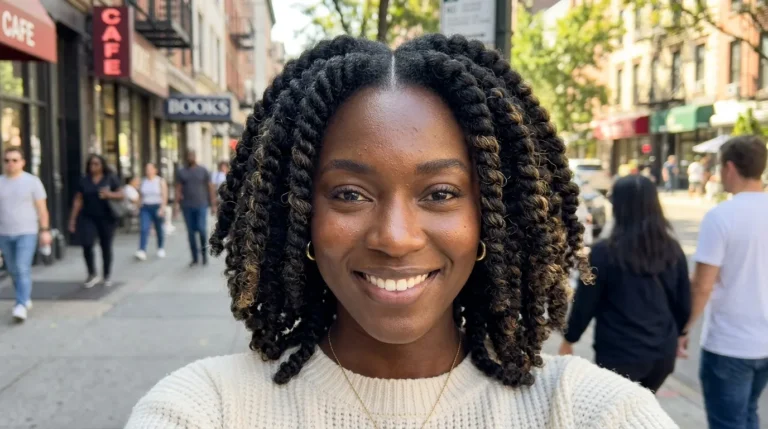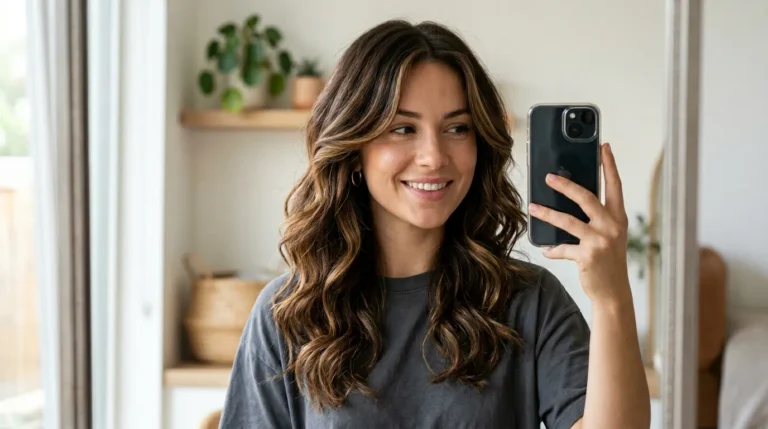
Everyone Will Ask Your Secret With These 20 Haircuts for Thin Hair
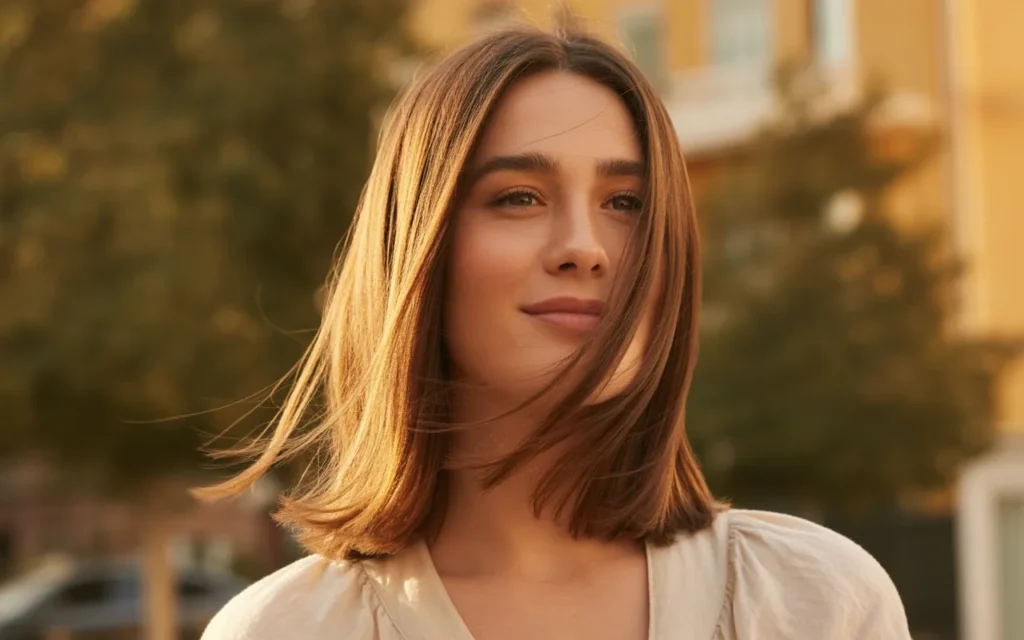
Thin hair has one superpower most people overlook — the right cut transforms it completely, and nobody needs to know why it suddenly looks this good. These 20 haircuts for thin hair are chosen specifically for what they do: create density where there isn’t much, add movement without weight, and give fine hair a shape it can actually hold. Whether your hair is fine and straight, fine and wavy, or somewhere in between, there’s a cut on this list built exactly for your texture. The first one is a classic for a reason.
1. The Blunt Bob Haircut for Thin Hair That Fools Everyone
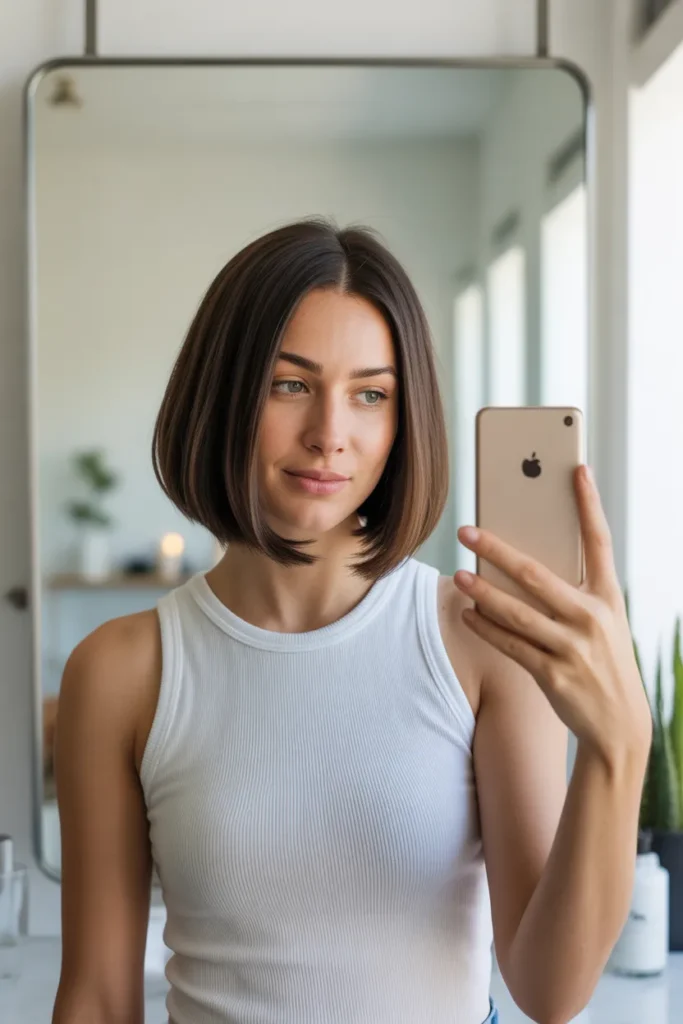
A blunt bob cut at collarbone length or above is one of the few cuts where thin hair genuinely looks thicker — not styled to look thicker, actually thicker. The clean, straight edge across the bottom creates a visual density that layered ends simply can’t replicate. It works best on fine, straight to slightly wavy hair, and suits oval, square, and heart-shaped faces particularly well. The more uniform the perimeter, the more full the hair appears from every angle.
Ask your stylist for a “one-length blunt bob with no graduation” — those exact words. If they suggest adding layers for movement, tell them you want to keep the weight line intact because that’s where the illusion of thickness comes from. A good stylist will understand immediately and may suggest the length hit just at or below the jaw to maximize the density effect. The next look builds on this same principle but adds a detail that changes the entire front section.
2. Curtain Bangs on Thin Hair That Actually Add Density
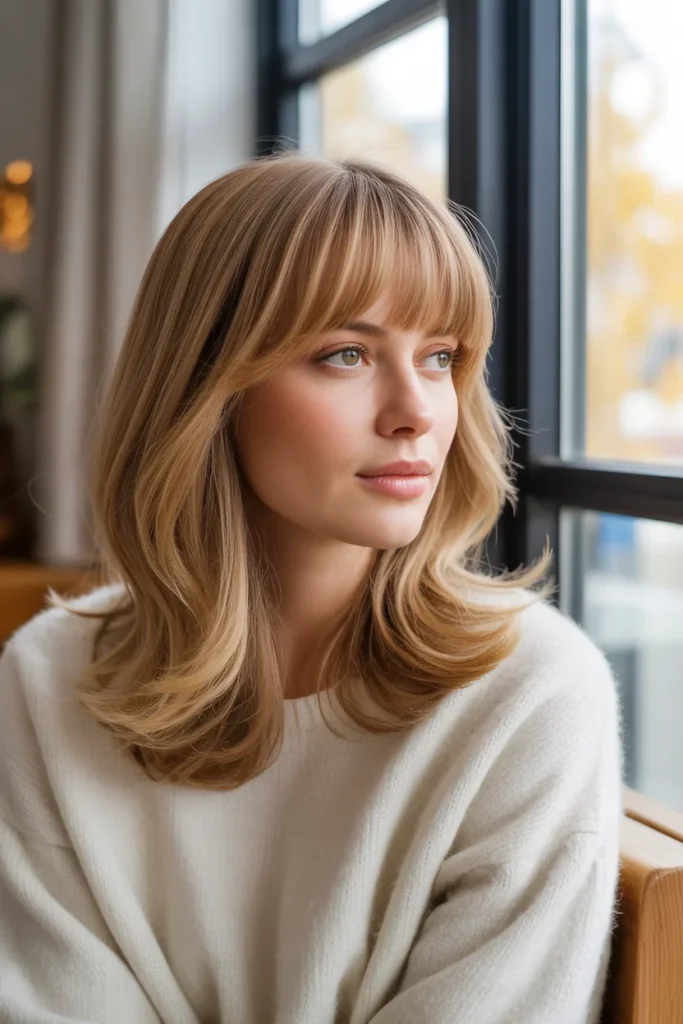
Curtain bangs on thin hair work because they break up the forehead-to-length ratio in a way that makes the whole style look more intentional and full. The soft, center-parted fringe frames the face without requiring much volume on its own — so even if your hair is very fine, these bangs deliver. They suit round, oval, and long face shapes, and they work especially well when the rest of the hair falls anywhere from chin to shoulder length.
Tell your stylist you want “soft curtain bangs that graze the cheekbones and blend into the sides with no harsh line.” That description gets you the wispy, face-framing result rather than a heavy bang that sits flat against fine hair. Stylists who specialize in fine hair love this request because the technique — point-cutting the ends to keep them feathered — is one of the most flattering moves they can make for thin hair. What follows works on an entirely different length and suits a specific lifestyle that needs low effort with high return.
3. The Layered Lob Every Fine-Haired Woman Needs Right Now
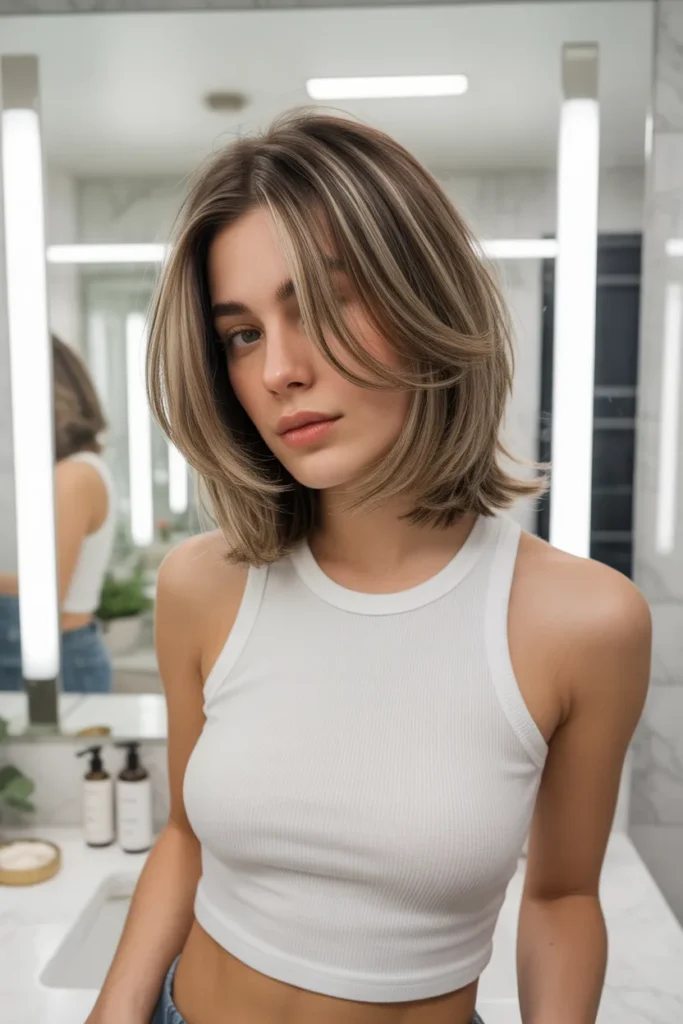
A layered lob — the long bob sitting just below the collarbone — gives thin hair the shape of a longer style without the drag that kills fine hair’s volume. The key is where the layers start: not at the crown, which would collapse the top, but from the mid-lengths down, which creates movement without sacrificing density at the root. This works best on fine to medium-density hair with natural movement, and it particularly flatters long and oval face shapes.
Hailey Bieber wore a version of this cut throughout 2022 and 2023 that sent fine-haired women straight to their stylists — the specific detail that made it work was the interior layers cut to create flick rather than flip, keeping the surface smooth while the underneath moved. It photographs exactly the way fine hair needs to: with body that reads on camera and doesn’t flatten under studio or phone lighting. The version coming up next takes a sharper turn in length and suits a completely different kind of hair personality.
4. Pixie Haircuts for Thin Hair That Feel Effortlessly Chic
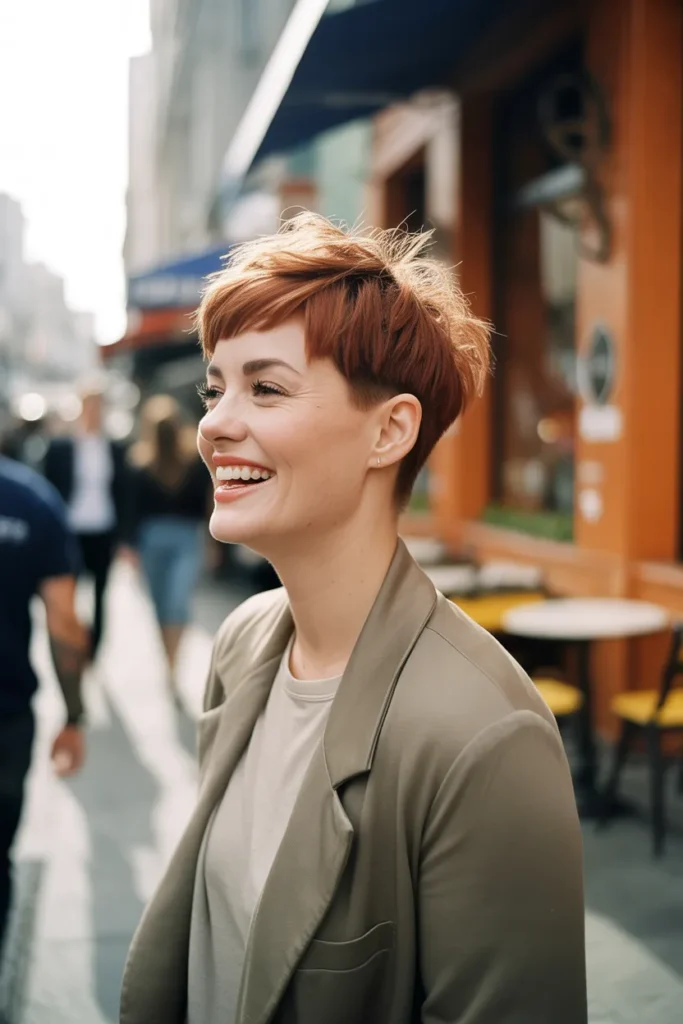
Short pixie cuts are genuinely one of the most strategic choices for thin hair — and not in the consolation prize way that phrase usually lands. When fine hair is cut short, the strands no longer pull themselves flat under their own weight, which means the natural texture and lift you’d never see at shoulder length suddenly shows up. A pixie with slightly longer length on top and tapered sides works best for fine, straight hair and suits oval, heart, and diamond face shapes.
Right now, the textured pixie is one of the most-saved haircuts for thin hair on Pinterest — specifically the version with piece-y ends on top that look like they were styled with fingers, not a brush. That lived-in finish is actually easier to achieve on fine hair than thick hair because a small amount of a lightweight defining cream does the work without weighing anything down. The next cut is on the opposite end of the effort spectrum and is built specifically for someone who wants their stylist involved, not a DIY approach.
5. The Wispy Fringe Look Your Stylist Will Get Excited About

Wispy fringe — not a full blunt bang, but a thin, airy line of hair that skims the brow — is one of those requests that stylists who work with fine hair genuinely enjoy because the results are fast and dramatic. The fringe works by drawing the eye immediately to the face, which redirects attention away from volume and toward shape. It suits fine, straight or slightly wavy hair best, and works particularly well for oval and long face shapes where forehead length benefits from a soft break.
This specific look has been gaining traction across Pinterest and TikTok boards dedicated to haircuts for thin hair partly because it requires almost no product to maintain — a quick blow-dry with a small, flat brush keeps it in place without buildup that can make fine hair look limp by midday. It’s also hitting a cultural moment where undone, natural-looking fringe is outperforming polished styles in saves and shares, which tells you something about what people with fine hair are actually finding works in real life. The next look is built for someone ready to commit to more texture throughout the whole cut.
Also Visit : 20 Choppy Bob Hairstyles to Bring to Your Next Salon Appointment
6. Shaggy Layers on Thin Hair for Your Next Salon Trip
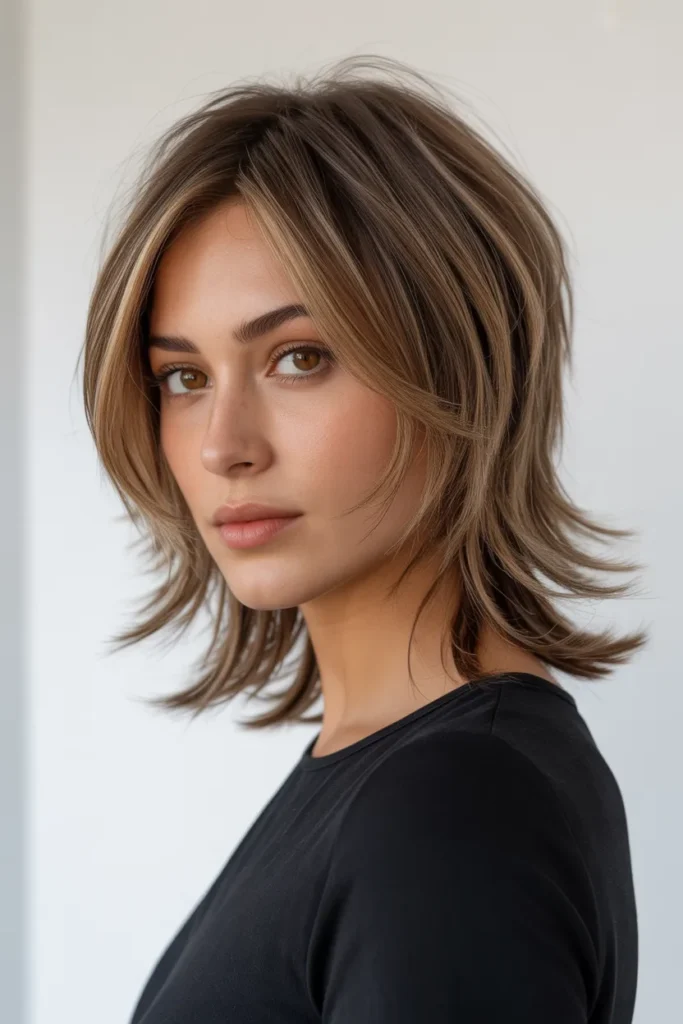
Shaggy layers on thin hair work because the cut is specifically engineered to create the appearance of density through disconnection — pieces that sit at different lengths catch light differently and read as fullness. The modern shag for fine hair skips the heavy interior layers that weigh everything down and focuses on surface texture instead, with shorter pieces framing the face and longer ones through the back. It suits fine to medium hair with any natural wave or texture, and works on oval, square, and oblong face shapes.
What people notice first about a well-executed shag on thin hair is the movement — not the volume itself, but the way the hair shifts and separates naturally when you turn your head. That’s what generates the compliments. The layered perimeter catches light in a way that reads as thickness even when the hair itself is fine, and the face-framing pieces do the additional work of making the whole style look intentional rather than simply unstyled. The cut after this one takes a different approach to framing and suits a much wider range of hair types.
7. The Face-Framing Cut That Works on Every Thin Hair Type
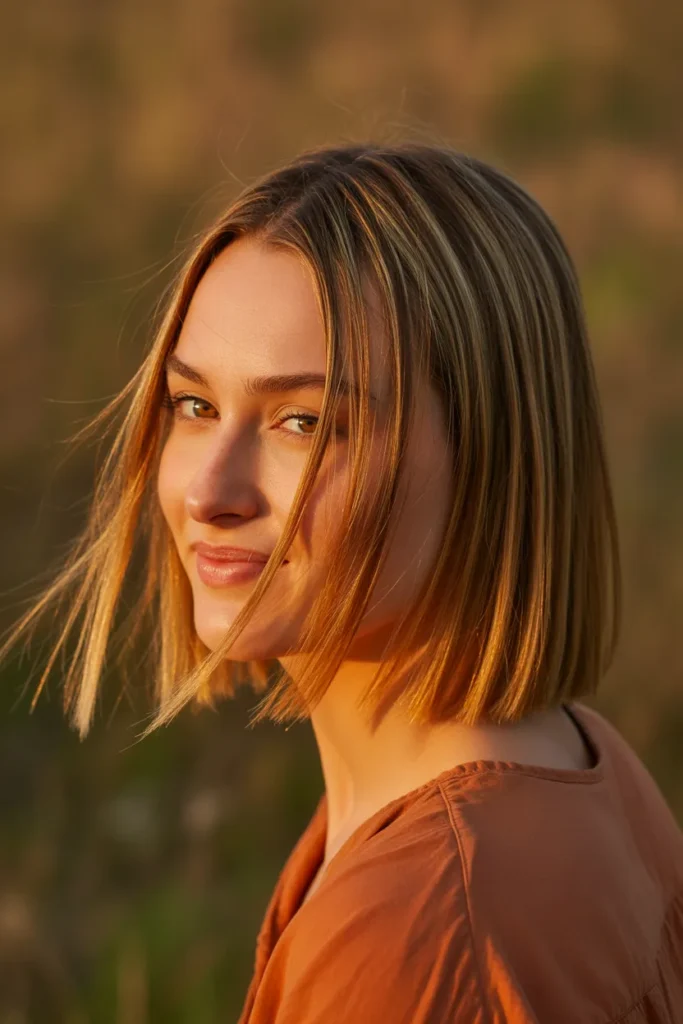
Face-framing layers that start at the cheekbone and angle forward are one of the most versatile tools a stylist has for thin hair — and the reason they work across so many hair types is that they don’t rely on density to deliver. The framing does the visual work instead, pulling attention toward the face and away from the overall weight of the hair. Fine, straight hair benefits from face frames cut with a razor for softness; fine, wavy hair holds them better when cut with shears and point-cut ends.
This style photographs in a way that fine hair rarely gets credit for — the forward angles catch light along the cheekbones and jaw, creating definition that reads beautifully in both natural and indoor lighting. It’s one of the reasons face-framing cuts consistently outperform blunt, uniform styles in Pinterest saves specifically among fine-haired audiences. The look they’re responding to isn’t dramatic, it’s precise — and precision is exactly what makes it work on hair that doesn’t have volume to fall back on. Next up is a cut designed around a specific face shape concern that comes up constantly.
8. Haircuts for Thin Hair That Suit a Round Face Perfectly
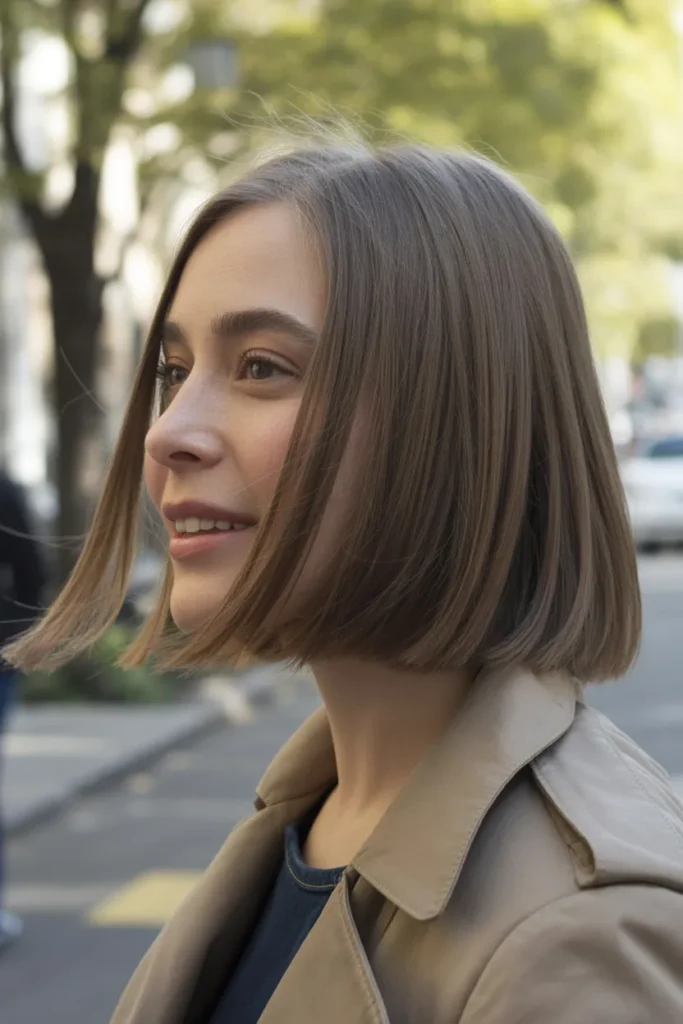
For a round face with thin hair, the goal is length and angles that elongate rather than widen — and the cuts that deliver this most consistently are those with length past the jaw and layers that fall vertically rather than horizontally. A long bob with interior layers that create downward movement, rather than outward flick, is one of the most reliable options. Fine, straight or slightly wavy hair holds this shape well, and the vertical line of the layers does the elongating work without needing volume to support it.
Stylists working with round faces and fine hair recommend asking specifically for “layers that drop straight down rather than flipping out at the ends” — that one detail prevents the width issue that horizontal layers create on a round face shape. The interior of the cut stays close to the head while the ends move freely, which gives the illusion of more length and less width simultaneously. It’s a specific technical request that most stylists will appreciate hearing because it tells them exactly what result you’re after. The next cut is one of the most talked-about styles right now and has a fine-hair adaptation that most people don’t know about.
9. The Wolf Cut Adaptation Fine Hair Has Been Waiting For

The wolf cut as it originally circulated — heavy interior layers, volume at the crown, shaggy curtain bangs — was designed for thick or medium-density hair, which is why fine-haired people tried it and felt let down. The adaptation that actually works for thin hair keeps the shape of the wolf cut but removes the interior bulk and replaces it with surface layers only, keeping weight through the mid-lengths and using the crown layers for lift rather than fullness. This version suits fine, wavy or air-dried hair best, particularly on oval and heart-shaped faces.
Wearing the fine-hair wolf cut communicates something specific: that you understand your own hair well enough to ask for what it actually needs rather than following a trend blindly. There’s a confidence in that — and people pick up on it. The cut reads as deliberate and current without looking like you’re fighting your natural texture. It moves the way fine hair actually moves, which ends up looking more polished than forcing a shape the hair can’t hold. The next one is about length specifically, and it hits a sweet spot that stylists recommend more than any other.
10. Collarbone-Length Haircuts for Thin Hair With Built-In Volume

Collarbone length is the sweet spot for haircuts for thin hair because it sits just above the point where fine hair starts to pull itself flat under its own weight. At this length, the ends have enough structure to hold movement, the layers have enough room to create shape, and the overall style reads as full without needing to be styled to within an inch of its life every morning. It works on fine, straight, wavy, and even fine curly hair, and suits almost every face shape because the length hits at a universally flattering point.
Late autumn and winter are when this cut performs best in real-world conditions — the lower humidity keeps fine hair from going limp, and the collarbone length sits neatly under scarves and coat collars without losing its shape. In summer, it’s still manageable, but the styling routine gets shorter because the cut’s structure does more of the work. A medium-barrel round brush during blow-dry is all this length needs to hold a shape that lasts through a full workday. The next cut is one of the most requested styles right now and it’s coming from a very specific group of people.
11. The Bixie Cut Thin-Haired Women Are Requesting Everywhere
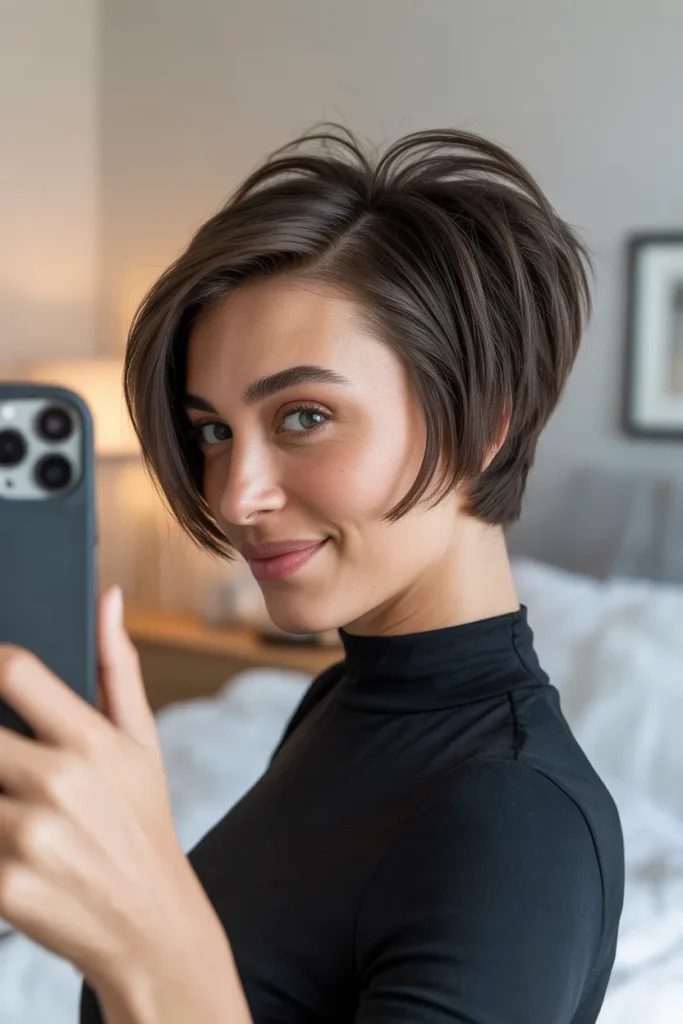
The bixie — the hybrid sitting between a bob and a pixie — lands at a length that’s genuinely strategic for thin hair. It’s short enough that the hair doesn’t pull itself flat, but long enough to frame the face with some movement through the front sections. The version that works best for fine hair keeps the nape close and lets the top and sides grow slightly longer, creating a shape that looks intentional from every angle. It suits oval, heart, and diamond face shapes, and works particularly well on fine, straight hair that struggles to hold longer styles.
Zoe Kravitz and Lily Collins both wore versions of this cut that sent fine-haired women to Pinterest looking for the exact reference — the specific quality that made both versions work was the piece-y texture through the top, achieved with a small amount of a light pomade worked through dry hair with fingertips. That finish is easier to replicate on fine hair than any other texture because the hair separates cleanly without needing much product at all. The next cut addresses something that doesn’t get talked about enough — what happens to thin hair when the weather works against it.
12. Haircuts for Thin Hair That Hold Up in Humidity
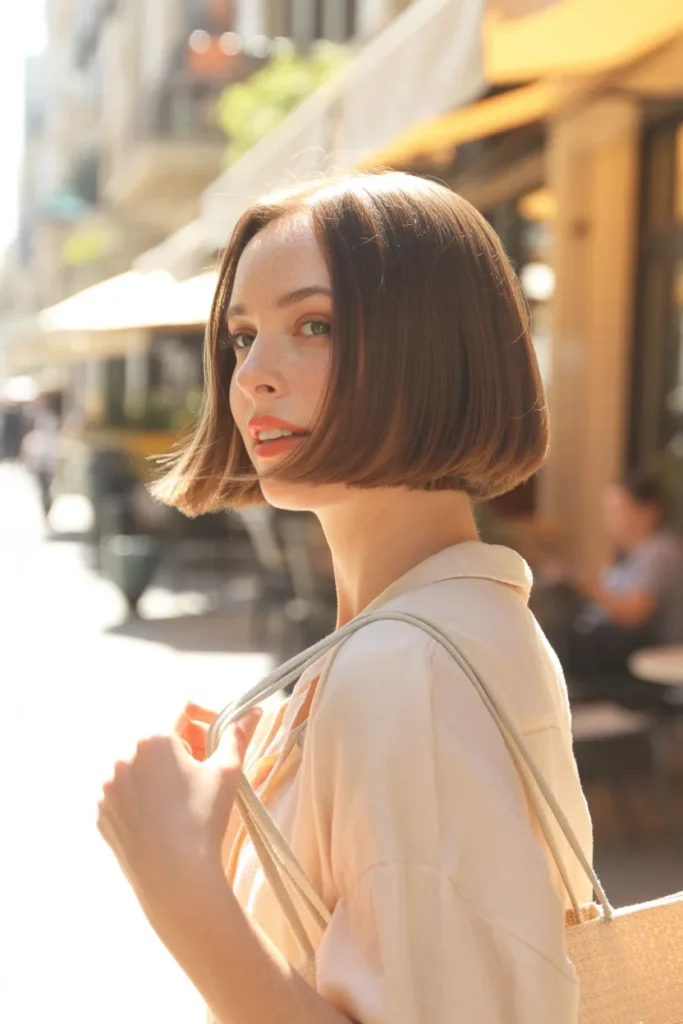
Humidity is the specific enemy of fine hair because moisture in the air adds weight without adding body — the exact opposite of what thin hair needs. The cuts that hold up best are those with enough internal structure to maintain their shape even when the hair absorbs ambient moisture: blunt bobs, textured pixies, and layered lobs with point-cut ends all perform significantly better than one-length styles in humid conditions. Fine, straight hair benefits most from a cut that includes a strong perimeter, while fine, wavy hair does better with layers that let the natural texture move rather than fighting it.
Tell your stylist you live in a humid climate or that humidity is your specific concern — that one detail changes the cutting technique. A stylist who hears that will avoid razor-cutting the perimeter, which can cause fine hair to fray in humidity, and will opt for shear-cut ends that hold their shape better in moisture-heavy air. They’ll also likely recommend a cut slightly above the length you’d normally choose, knowing the hair will sit heavier on humid days. The version coming up next is about a completely different visual goal — making thin hair look twice what it actually is.
13. The Soft Shag That Makes Thin Hair Look Twice as Full

A soft shag differs from a standard shag in one critical way: the layers are cut to blend rather than disconnect, so the overall shape reads as full and cohesive rather than choppy. For thin hair, this distinction matters because disconnected layers on fine hair can look sparse rather than textured. The soft shag keeps the length through the back and interior, uses curtain bangs or a wispy fringe at the front, and relies on point-cutting throughout to keep the ends light and airy. It suits fine to medium hair with natural movement and works beautifully on oval and long face shapes.
This cut has been circulating in the fine-hair corner of Pinterest and TikTok for the past year specifically because it holds up on second-day hair in a way most shag variations don’t — the soft layers settle into a shape overnight that actually looks better than day one, with natural separation that reads as intentional texture. No re-styling required, which is a genuine selling point for anyone whose fine hair loses its day-one shape quickly. The next cut takes a completely different direction — one that leans into asymmetry and creates a very specific kind of visual interest.
14. Asymmetrical Cuts for Thin Hair That Feel Editorial and Fresh
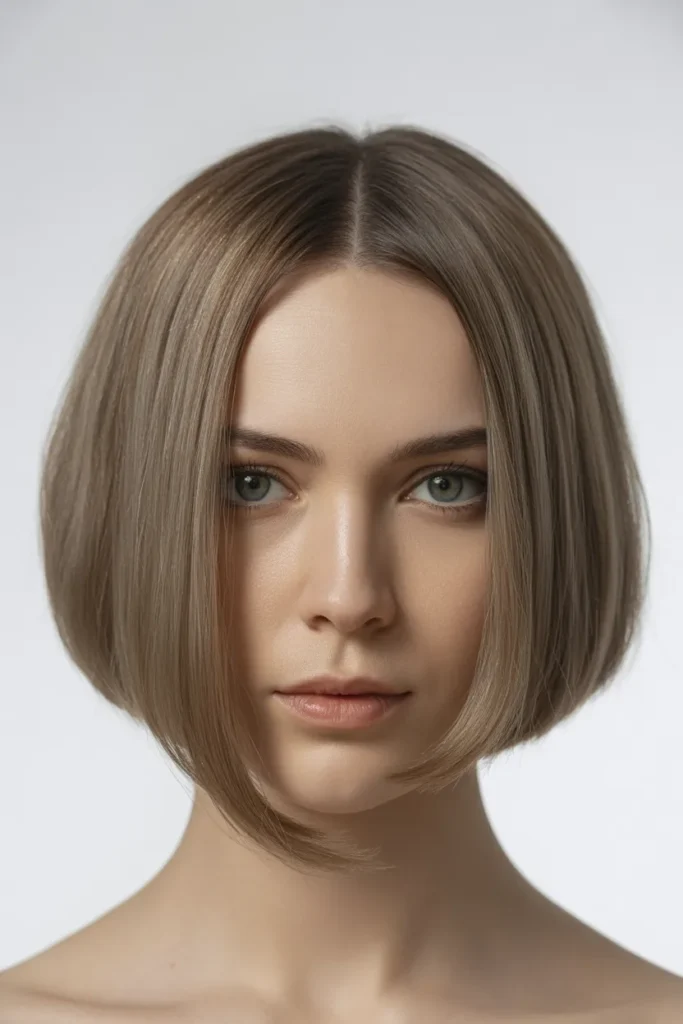
An asymmetrical cut — where one side is noticeably longer than the other — creates visual weight on fine hair through contrast rather than density. The eye reads the difference in length as structural interest, which draws attention to the shape of the cut rather than the volume of the hair. The version that works best for thin hair is a subtle asymmetry: one side grazing the jaw while the other hits the cheekbone, rather than a dramatic difference that requires significant styling to maintain. It suits fine, straight hair on oval and heart-shaped faces particularly well.
Right now, asymmetrical haircuts for thin hair are having a specific moment in editorial and salon content — the version getting saved most is a short asymmetrical bob with a slightly longer front section on one side, worn with a deep side part that plays up the imbalance. It’s a cut that photographs with immediate visual interest because the diagonal line created by the length difference draws the eye across the face rather than straight down, which adds perceived width and fullness. The next look is for a completely different kind of person — one who needs their hair to cooperate fast and without much effort.
15. Haircuts for Thin Hair You Can Actually Style in 10 Minutes
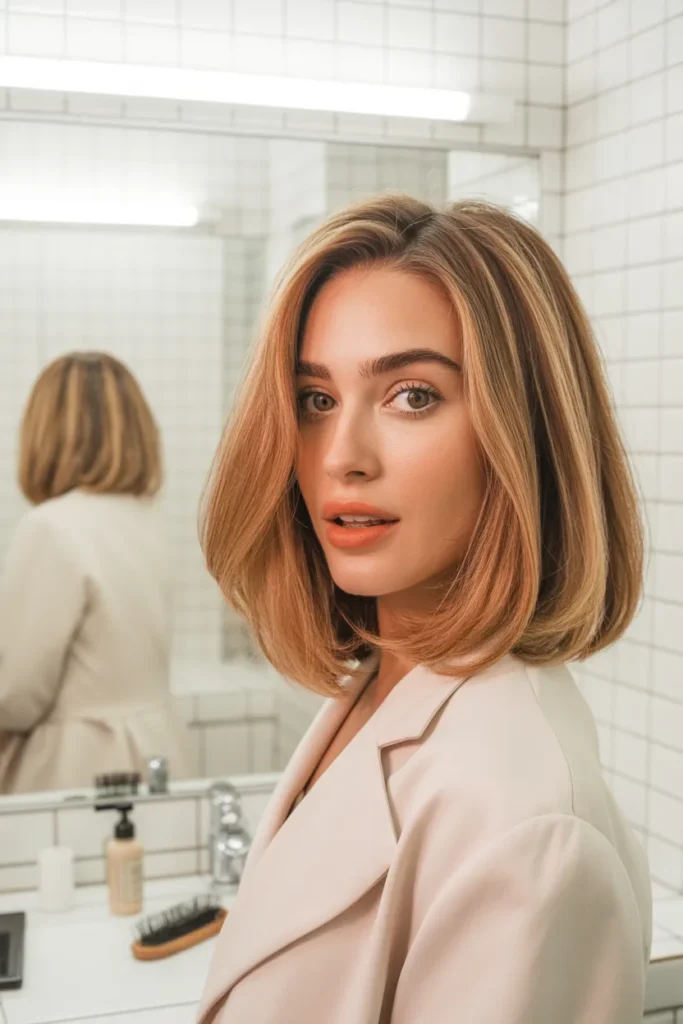
The cuts that genuinely work in ten minutes for thin hair share one characteristic: they’re structured enough that the shape does most of the work before product or heat even enters the routine. A blunt bob, a textured pixie, or a collarbone-length lob with face-framing layers all fall into this category — the perimeter and layer placement create the look, so a quick blow-dry with a medium-barrel round brush is all the styling required. Fine, straight hair gets there fastest; fine, wavy hair often needs even less time because the texture adds natural movement without effort.
Salon professionals who work specifically with fine hair recommend building the ten-minute routine around one tool and one product: a lightweight volumizing mousse applied to damp roots before blow-drying, and a medium-barrel round brush used only at the root for lift. Everything else air-dries into the cut’s shape. That’s the full routine for most of the cuts on this list — not a complicated multi-step process, just the right cut working with the right two things. The next style is one that often gets overlooked for thin hair, but it’s one of the most forgiving lengths in the entire list.
16. The Grown-Out Pixie Thin Hair Wears Better Than Any Other Type
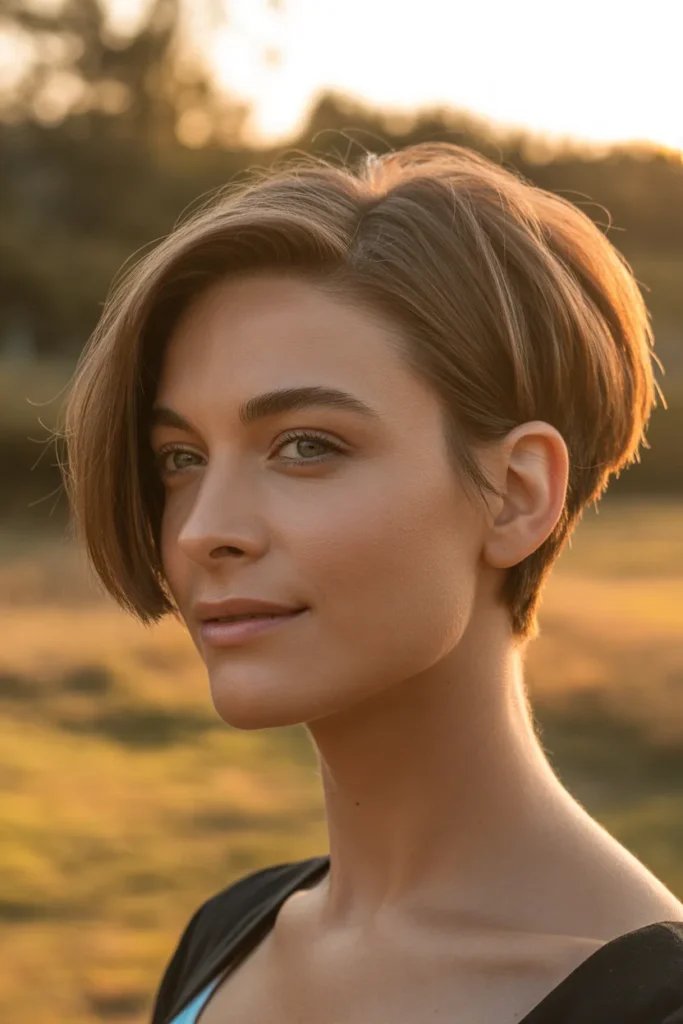
A grown-out pixie sits at that in-between length — longer than a traditional pixie, shorter than a bob — that most hair types struggle with awkwardly. Fine hair is the exception. Because thin hair lies flat and moves cleanly, the grown-out pixie on fine hair looks intentional rather than unfinished, with the longer top sections creating soft movement and the shorter sides maintaining structure. It suits fine, straight to slightly wavy hair and works particularly well on oval, heart, and diamond face shapes where the shorter sides emphasize bone structure naturally.
Wearing a grown-out pixie on fine hair communicates a specific kind of confidence — it’s a length that requires no hiding, no styling tricks to make it look like something else. The cut works with what the hair actually does rather than asking it to perform volume it doesn’t have. People respond to that. The ease is visible, and the shape reads as deliberate in a way that longer styles on thin hair sometimes don’t. The next section is about a specific technical detail that changes how thin hair reads at any length.
17. Textured Ends on Thin Hair That Create the Illusion of Thickness

Textured ends — achieved through point-cutting, slide-cutting, or razor-cutting the perimeter rather than cutting straight across — change how thin hair reads at the tips. Instead of a flat, uniform edge that reveals exactly how little density is there, textured ends create micro-variations in length that catch light differently and give the impression of more hair. Point-cutting works best for fine, straight hair; slide-cutting suits fine, wavy hair that needs the ends to move freely; razor-cutting is best reserved for fine hair with some natural texture, as it can cause frizz on very straight, fine strands.
Autumn is when textured ends on thin hair look their best — the lower humidity keeps the ends from separating too much, and the natural movement of the style suits the season’s layered dressing and relaxed aesthetic. In spring and summer, a light anti-humidity serum through the ends keeps the texture looking intentional rather than wind-blown. A pea-sized amount of a lightweight serum through dry ends is all the maintenance this detail needs between appointments. The next cut is specifically designed around a face shape that benefits enormously from the right haircut for thin hair.
18. Haircuts for Thin Hair That Frame a Heart-Shaped Face Beautifully

Heart-shaped faces — wider at the forehead, narrower at the chin — need haircuts for thin hair that add visual width at the jaw while keeping the top section from adding bulk at the crown. A chin-length bob with slight interior layers that flick outward at the jaw does this precisely: the ends create width exactly where the face is narrowest, balancing the broader forehead without requiring volume the hair doesn’t have. Fine, straight or slightly wavy hair holds this shape well with minimal styling, and the length hits at the most flattering point for this specific face shape.
Ask your stylist for a “chin-length bob with ends that kick out slightly rather than turning under” — that single direction prevents the inward curl that would narrow the jaw further and produces the outward flick that does the balancing work. Stylists who regularly work with heart-shaped faces will often suggest a center or slightly off-center part with this cut, which prevents the forehead from looking wider by drawing the eye down the center of the face. The last two cuts are ones your stylist is most likely to bring up unprompted — for very specific reasons.
19. The Feathered Cut Making a Comeback for Fine Hair Right Now
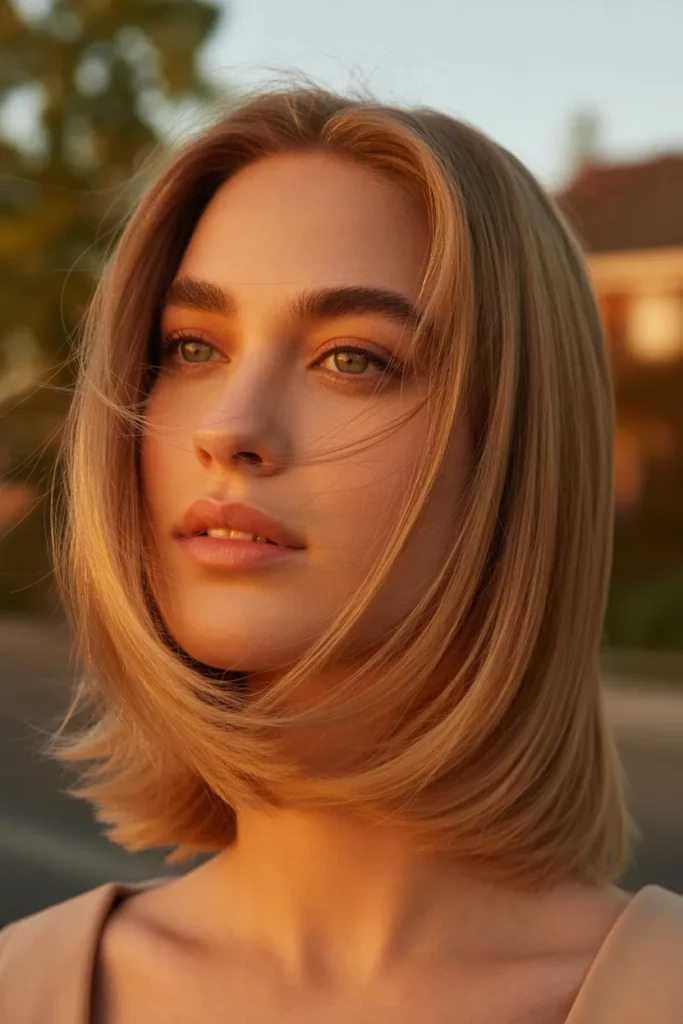
Feathered cuts — where the layers are blow-dried back and away from the face in soft, wing-like sections — are back specifically because fine hair wears them better than any other texture. The feathering technique lifts fine hair away from the scalp and face naturally, creating volume through direction rather than product or heat. The modern version is softer than the original 70s interpretation: less structured wing, more effortless sweep, with layers that frame the face gently rather than dramatically. It suits fine, straight to lightly wavy hair and works on oval, long, and square face shapes.
This specific cut is gaining momentum on Pinterest and in salon consultations right now because it taps into the broader 70s revival happening across fashion and beauty — the warm, lived-in aesthetic that’s dominating mood boards across every platform. Fine hair is uniquely suited to this trend because the lightness of the hair allows the feathered layers to move the way the style requires, without the stiffness or heaviness that thicker hair can bring to the same cut. The final cut on this list is the one stylists reach for most consistently — and the reason is straightforward.
20. Haircuts for Thin Hair Your Stylist Will Recommend Every Time
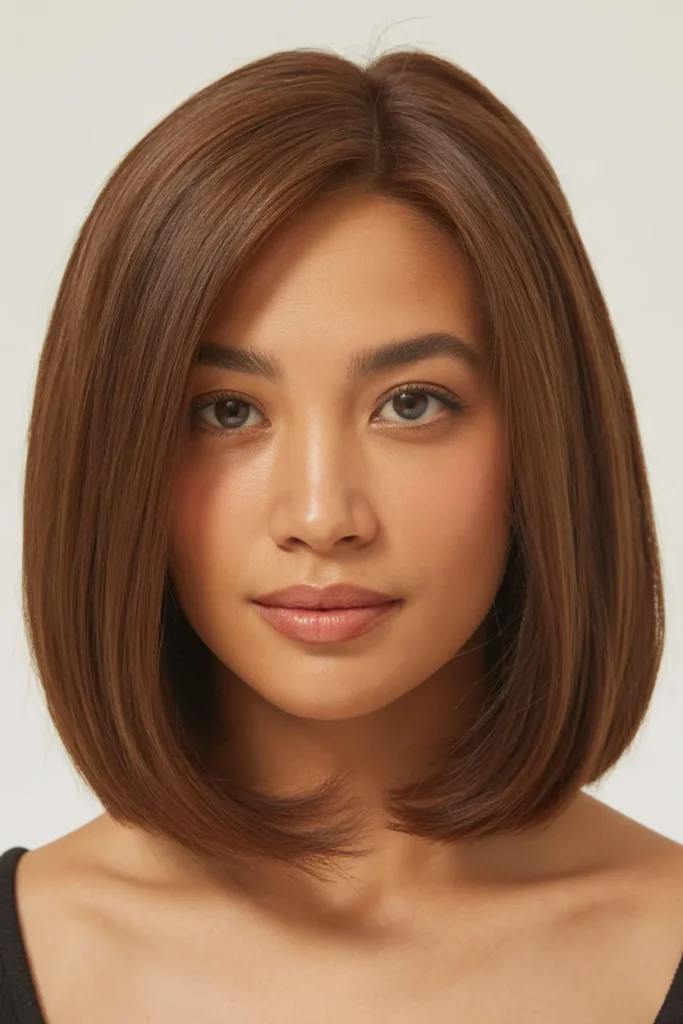
The cut stylists return to most reliably for thin hair is a shoulder-length or slightly above-shoulder layered cut with a strong perimeter and face-framing pieces — because it solves the two main challenges of fine hair simultaneously. The solid perimeter creates the visual density that thin hair needs, while the internal layers and face-framing pieces add movement without sacrificing weight. A medium-barrel round brush through the roots during blow-dry and a light-hold volumizing spray at the crown completes the routine. Fine, straight and fine, wavy hair both hold this shape consistently through a full day.
The reason stylists recommend this cut across so many different clients with thin hair is that it adapts — the length can move up or down slightly depending on face shape, the layers can be softened or intensified depending on how much movement the client wants, and the face-framing pieces work whether the client wants curtain bangs or a clean, swept section. It’s a framework more than a single fixed look, and that flexibility is exactly why it works so reliably on hair that has less room for error than thicker textures.
Conclusion
Every cut on this list exists for the same reason — thin hair deserves a shape that works with its actual texture, not against it. From the blunt bob that fools everyone to the stylist-approved layered cut that adapts to almost any face shape, these haircuts for thin hair are built around what fine hair genuinely does well. Save the ones that match your face shape and texture, and bring the reference to your next appointment. The right cut doesn’t just change how your hair looks — it changes how much effort your entire morning takes.
FAQ’s
What are the best haircuts for thin hair?
Blunt bobs, layered lobs, and textured pixies are the most reliable haircuts for thin hair. These cuts create visual density through structure and perimeter rather than relying on volume. The best choice depends on your face shape and how much styling time you want to spend daily.
Does thin hair look better short or long?
Collarbone length and above works best for most thin hair types. Beyond collarbone length, fine hair tends to pull itself flat under its own weight. Shorter cuts like pixies and bobs allow natural texture and lift to show up in ways longer lengths simply don’t allow.
Can haircuts for thin hair work without daily styling?
Yes, when the cut is right. A blunt bob, textured pixie, or layered lob with point-cut ends hold their shape with minimal effort. One round brush blow-dry and a lightweight volumizing mousse at the roots is genuinely all most haircuts for thin hair need daily.
What should I tell my stylist if I have thin hair?
Tell your stylist your specific concern — whether that’s volume at the roots, density at the ends, or humidity resistance. Saying “I want a strong perimeter with face-framing layers and point-cut ends” gives your stylist enough technical direction to build a cut that works for fine hair specifically.
Do layers help or hurt thin hair?
Surface layers help thin hair significantly — they create movement and visual texture without removing weight from the mid-lengths. Deep interior layers hurt thin hair because they remove the density the hair needs to look full. Always ask for layers from the mid-lengths down, not from the crown.
Are curtain bangs good for thin hair?
Curtain bangs are one of the most flattering fringe options for thin hair. They add face-framing detail without requiring density to look good. Ask your stylist for point-cut ends on the bangs so they stay wispy and light rather than sitting flat against the forehead.