The Hair Growth Secrets Behind a Healthier Scalp
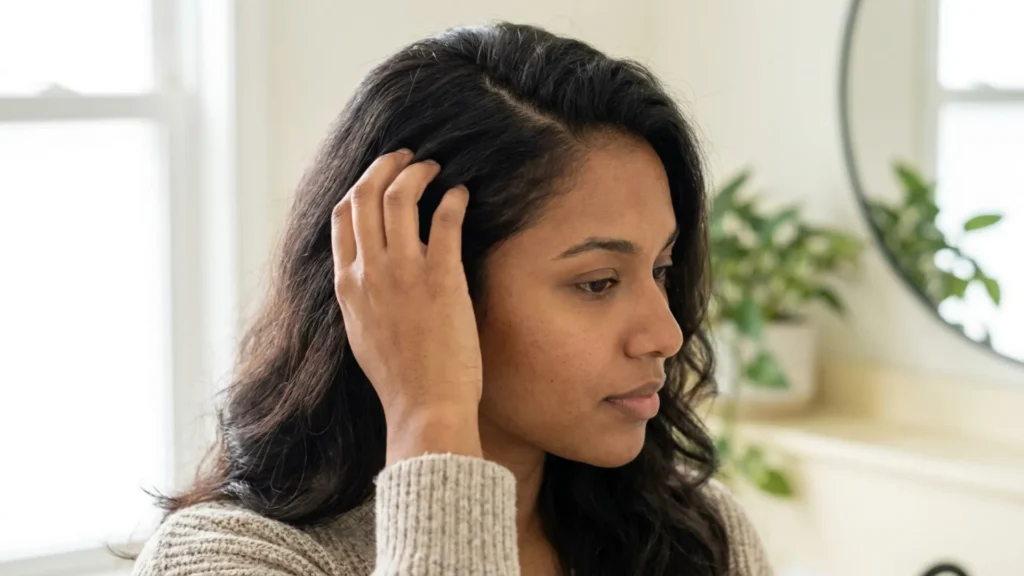
Most people treat hair growth secrets like a shopping list. A new oil here, a supplement there, a serum picked up because someone online swore by it. None of that is necessarily wrong, but it skips the one thing that decides whether any of it actually works: the scalp itself. A follicle doesn’t care what’s in the bottle sitting on your bathroom shelf if the skin around it is inflamed, tight, or running on poor circulation. Products are guests in that environment. If the environment is off, the guests barely matter.
Quick answer: the real hair growth secrets aren’t a new product at all. They’re the conditions that let a follicle do its job — steady blood flow to the scalp, a calm inflammatory response, enough protein and iron to build keratin, and a stress load your body can actually handle. Get those right, and most of the advice you’ve already tried starts working the way it was supposed to.
The One Mistake Undoing Most Hair Growth Secrets
The mistake is simple: chasing ingredients before checking the scalp. Rosemary oil, biotin, castor oil, rice water — each one has a plausible story behind it, and a few even have decent early research. But every single one of them depends on a follicle that’s actually capable of responding. A follicle sitting in a tight, poorly circulated, or chronically irritated scalp is like a plant sitting in compacted soil. You can add all the fertilizer you want. It won’t take up much of it.
That’s the reframe this article works from. Instead of another list of ingredients, it starts with the scalp environment, moves into the internal factors that shape it, and only then sorts out which popular “secrets” hold up.
What’s Actually Happening Under a Healthy Scalp
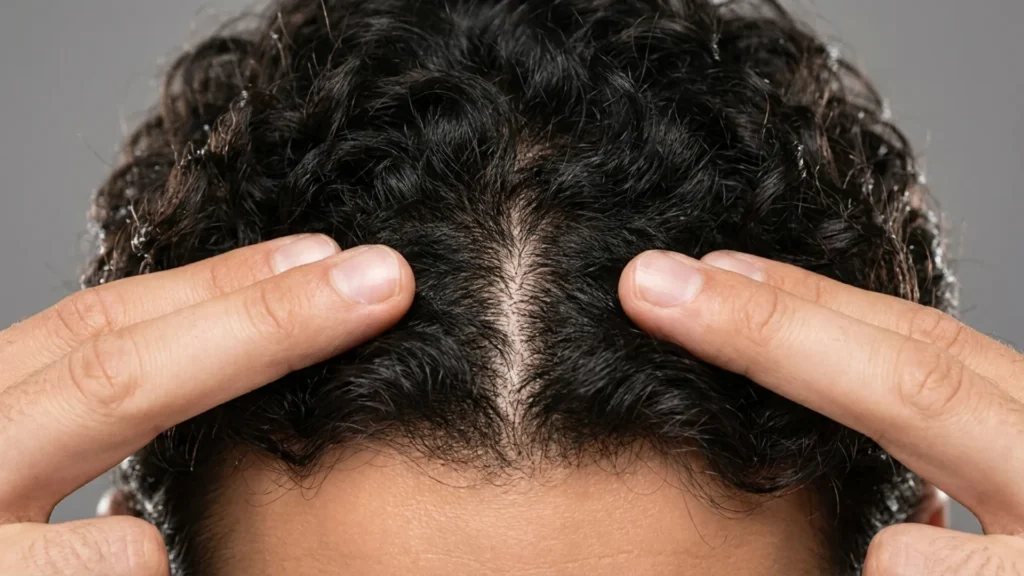
Every hair grows out of a follicle, and every follicle sits on top of a tiny structure called the dermal papilla — a cluster of cells that acts like the follicle’s control center. It’s fed by a network of small blood vessels that deliver oxygen, glucose, and amino acids. When that blood flow is strong and steady, the papilla can keep signaling the follicle to build new hair. When it’s restricted, whether from tension, poor circulation, or chronic inflammation, that signal weakens.
Inflammation is the other half of the picture. A scalp that’s constantly irritated, whether from product buildup, harsh styling, or an underlying skin condition, diverts energy toward managing that irritation instead of building hair. This is why a scalp that looks “fine” on the surface can still be quietly working against you. You won’t always see redness or flaking. Sometimes it’s just tightness, mild itching, or excess oil that never quite balances out.
Also Visit : Hair Growth Serum at Home: A Simple Recipe That Works
The Follicle Cycle Secret Most Advice Skips
Hair doesn’t grow continuously. Each follicle cycles through three phases: anagen, the active growing phase that can last anywhere from two to six years; catagen, a short transitional phase lasting a couple of weeks; and telogen, a resting phase before the hair sheds and a new one begins. At any given time, the vast majority of your follicles sit in anagen, while a smaller share rest in telogen. This cycle, and how each phase behaves, is described in detail in the National Institutes of Health’s overview of hair physiology.
Here’s the part most advice skips: nothing you do this week changes a follicle that’s already mid-cycle. If a follicle just entered telogen, it’s going to rest for months no matter what you apply to it. This is why so many hair growth secrets that “worked” for someone were really just good timing. They started a new habit right as a batch of follicles were entering anagen anyway. Understanding this timing is what separates a secret that actually sticks from one that just happened to line up with a lucky cycle.
Circulation and Massage: What the Research Actually Shows

Scalp massage is one of the few “secrets” that’s actually been studied, even if the research is still limited. A widely cited survey of people with androgenic alopecia found that a large share of participants who did structured scalp massages for several months reported either less shedding or visible regrowth, based on a 2019 study on standardized scalp massage published in Dermatology and Therapy. Earlier lab work on the same technique found it increased hair thickness after roughly six months of daily sessions.
It’s worth being honest about the limits here. These studies relied heavily on self-reported results and small sample sizes, not large controlled trials. That doesn’t mean massage does nothing — the mechanism (better blood flow, mechanical stimulation of the follicle) makes sense biologically. It means you shouldn’t expect it to outperform a medical treatment, and you shouldn’t expect results in a couple of weeks. A few minutes a day, done consistently for months, is the realistic version of this secret.
The Internal Factors Nobody Mentions

This is the section most hair growth content leaves out entirely, and it’s arguably the most important one. Hair is metabolically expensive to produce, so your body treats it as a low priority whenever something else needs the resources. That’s why internal factors often matter more than anything applied topically.
Stress is the biggest one people underestimate. Significant physical or emotional stress can push a large share of follicles into the resting phase at once, a condition called telogen effluvium. According to Mayo Clinic’s explanation of stress-related hair loss, this kind of shedding typically shows up two to three months after the stressful event, which is exactly why so many people can’t connect the dots on their own. They’re shedding now because of something that happened last winter.
Sleep and diet play a similar background role. Chronic poor sleep raises cortisol, which competes with the same hormonal pathways involved in healthy hair cycling. Low protein or iron intake limits the raw materials a follicle needs to build keratin in the first place, since hair is almost entirely protein. None of this requires a dramatic overhaul. It just means a “hair growth secret” that ignores sleep, stress, and protein intake is only ever solving part of the problem.
Also Visit : Do Hair Masks for Hair Growth Really Work?
Common Hair Growth Myths, Sorted From Reality
Some of the most repeated hair growth secrets don’t hold up once you look at what they’re actually claiming. A few of the biggest ones are worth sorting out directly.
| The Claim | What’s Actually True |
|---|---|
| Cutting your hair often makes it grow faster | Trimming removes split ends and prevents breakage higher up the strand, which can make hair look like it’s growing faster. It has no effect on the follicle or growth rate itself. |
| Brushing 100 strokes a day stimulates growth | Gentle brushing can distribute natural oils and isn’t harmful, but there’s no evidence that stroke count affects follicle activity. Overbrushing can actually cause breakage. |
| Cold water rinses “seal” the hair for faster growth | Cold water can make the hair cuticle lie flatter, which improves shine and reduces frizz. It doesn’t reach the follicle or change growth speed. |
| More product always means more growth | Past a certain point, layering more products just adds buildup, which can irritate the scalp and work against the follicle rather than for it. |
Notice the pattern. Most of these myths describe things that affect the visible hair shaft, not the living follicle underneath it. They’re not useless, they’re just answering a different question than the one people think they’re asking.
Also Visit : Hair Growth Before and After: What’s Actually Realistic
What Realistic Timelines Actually Look Like
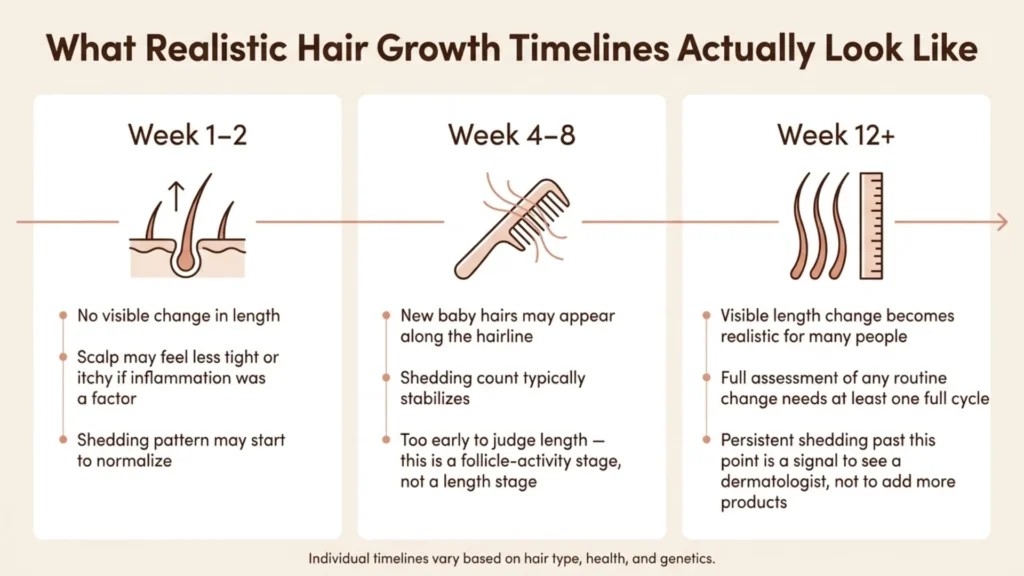
One of the quiet reasons “secrets” keep circulating is impatience. Someone tries something for two weeks, sees nothing, and moves on to the next idea before the follicle cycle even had a chance to respond. A full anagen-to-shedding cycle can take months, so short trials rarely tell you anything useful.
A more realistic pattern: the first couple of weeks bring no visible change but may bring a calmer, less irritated scalp if that was part of the problem. By four to eight weeks, some people notice new baby hairs along the hairline as follicles that were resting move back into growth. Visible length change is usually a twelve-week-or-later story. If shedding is still heavy well past that point, that’s a signal to see a dermatologist rather than add another product to the routine.
Frequently Asked Questions
What is the single biggest factor behind hair growth secrets that actually work?
Scalp condition and circulation come up more consistently than any single ingredient. A calm, well-supplied scalp lets almost everything else, from diet to topical treatments, actually reach the follicle.
Do hair growth supplements actually work?
They can help if you’re genuinely deficient in something like iron, biotin, or protein. If your levels are already normal, adding more of that nutrient generally won’t speed up growth, since the follicle isn’t limited by supply in the first place.
How long does it really take to see results from a new routine?
Most people need at least eight to twelve weeks before any change is visible, and that’s only if the follicles involved were already close to entering an active growth phase.
Can a stressed scalp slow hair growth even if my diet is good?
Yes. A tight, inflamed, or poorly circulated scalp can hold back growth regardless of how well you’re eating, since the follicle still needs local blood flow and a calm environment to respond.
Are natural hair growth secrets like rice water or rosemary oil worth trying?
They’re low-risk and some early research is promising, particularly for rosemary oil. Just don’t expect them to outperform addressing the scalp environment and internal factors first — they work better as an addition, not a substitute.
This article is for general information only and isn’t medical advice. For persistent hair loss, scalp pain, or sudden shedding, see a dermatologist or trichologist.
Key Takeaways
- The follicle’s environment (circulation, inflammation) decides whether any product-based hair growth secret can actually work.
- Hair grows in cycles lasting months, so anything you try needs at least eight to twelve weeks before you can judge it fairly.
- Stress-related shedding often shows up two to three months after the stressful event, which is why the cause and the symptom rarely feel connected.
- Scalp massage has real, if modest, research behind it — useful as a habit, not a fast fix.
- Several popular hair growth myths affect the visible hair shaft, not the living follicle, so they change appearance without changing growth.
Written by Anna Anderson for Trend Cottage.