19 Radiant Dirty Blonde Highlights for Sunlit Dimension
A little brightness can make blonde hair feel fresh without losing the natural depth that makes it beautiful. Dirty blonde highlights offer that balance, blending lighter ribbons with a deeper sandy or dark blonde base for soft, sunlit dimension.
This collection of 19 ideas explores a range of finishes, from fine babylights and creamy face-framing pieces to warm balayage and softly melted roots. Whether your hair is long and layered, shoulder length, wavy, or straight, you can find inspiration that suits your cut and the level of contrast you prefer. The key is choosing tones and placement that work with your natural color, rather than copying a shade that may not suit your starting point. Use these looks to discuss your preferred result with a colorist and save your favorites before your next appointment.
1. Soft Sandy Ribbons
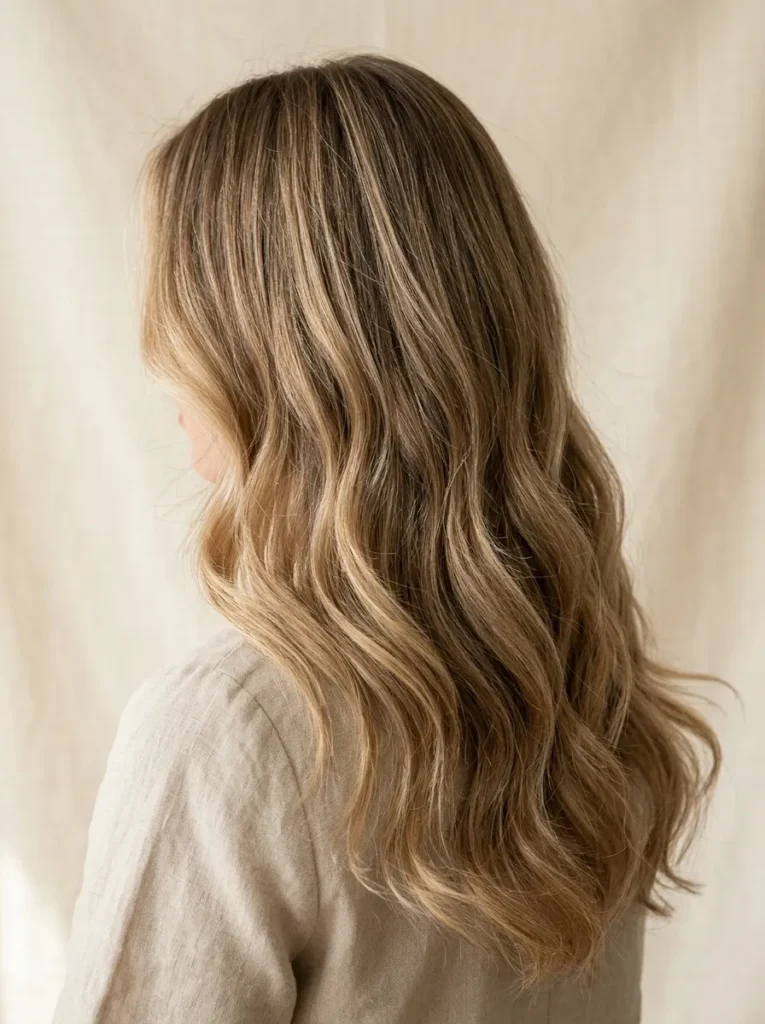
Soft sandy ribbons add sunlit brightness without turning the whole base golden. For dirty blonde highlights, ask for fine, hand-painted pieces just one or two levels lighter than your natural shade, with the lightest strands focused through the mid-lengths and around the ends for a softly brightened finish.
For a natural result, keep the root area close to your starting shade and ask for a beige-toned gloss if the blonde begins to look too yellow. This subtle placement works especially well on layered cuts because the ribbons catch the light as the hair moves.
2. Bright Face Frame

- A little brightness around the face can make the entire hairstyle appear lighter. Ask for two slim, brighter pieces starting near the temples rather than thick stripes from the part.
- Keep the surrounding strands a softer beige or neutral blonde so the front pieces stand out without looking disconnected.
- Request a root smudge close to your natural shade to soften regrowth around the hairline.
- For curly or wavy hair, place lighter ribbons where the curls naturally frame your face. This helps the color catch the light along defined bends.
Subtle placement prevents the front from looking like two disconnected stripes. Ask your colorist to weave a few fine pieces behind the brighter sections, then finish with a neutral gloss. The result is a lifted frame that draws attention to your eyes while keeping the overall blonde believable.
3. Warm Beige Balayage
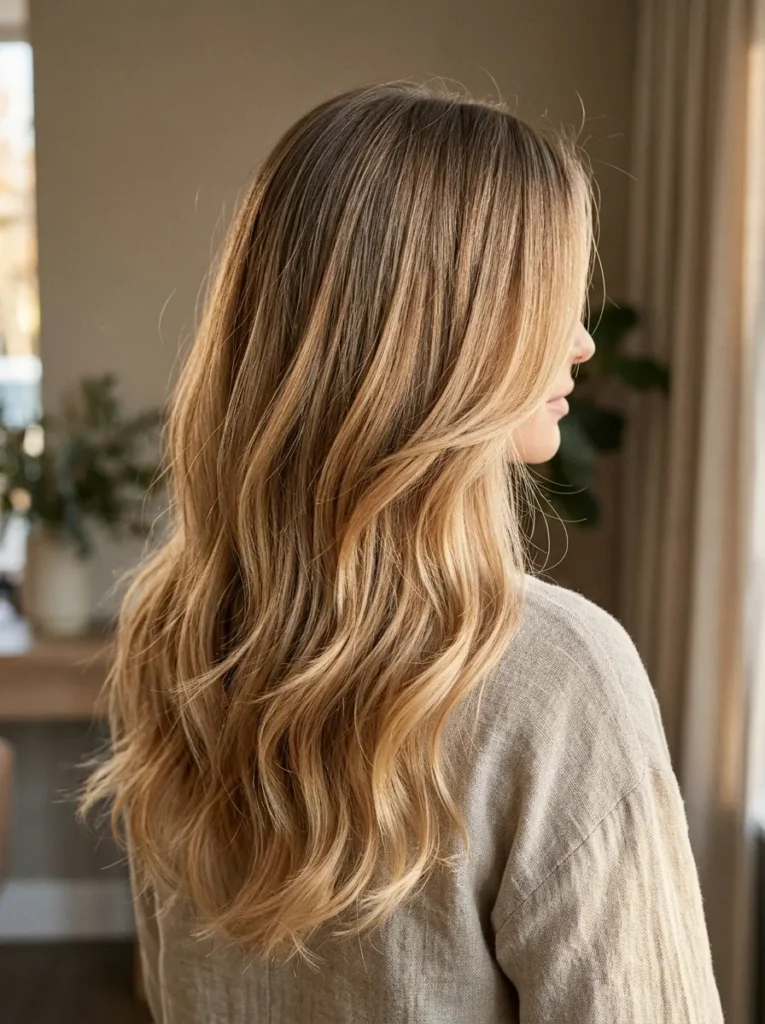
Quick Tip:
The right tone keeps warm ribbons looking sunlit rather than brassy. Ask for a beige or neutral toner rather than a very golden one if your base already has warmth. Keep the painted pieces concentrated through the mid-lengths and ends so the root stays soft.
A balayage blend suits anyone who wants visible brightness without frequent root appointments. The hand-painted transition leaves your natural shade showing near the scalp, while the lighter ends add movement. Ask for a gloss at the end of the service to refine the tone and boost shine.
4. Pearl Beige Blend

BEFORE:
A flat blonde base can look slightly dull, especially under indoor lighting. The overall color may lack the subtle contrast needed to show movement through longer layers.
AFTER:
Pearl-beige ribbons introduce a soft, creamy brightness without making the hair look icy. The blended finish catches natural light beautifully and gives the lengths a polished appearance.
For the most flattering result, ask your colorist for delicate pearl-toned pieces mixed with neutral beige shades. Avoid an overly cool toner if your natural hair has warm undertones. A soft root melt will keep the transition smooth and make the lighter sections easier to maintain.
5. Golden Money Pieces
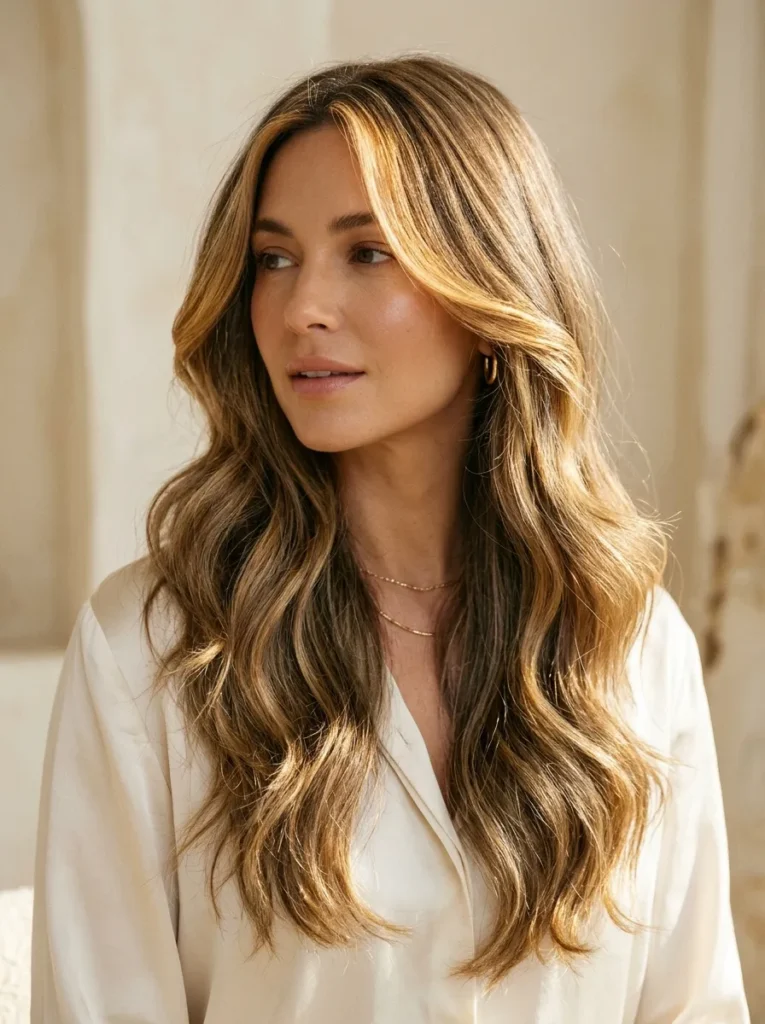
- Start with a natural dark blonde or light brown base.
- Section two face-framing panels near the temples.
- Lift these front sections slightly brighter than the rest of the hair.
- Blend a few fine golden strands into the surrounding layers.
- Finish with a warm beige gloss for a balanced, shiny result.
Golden framing pieces are especially noticeable on layered hair and long curtain bangs. They brighten the area around your face while keeping the remaining color soft and natural. Ask for honey-beige rather than strong yellow tones to achieve that sun-kissed finish without excessive contrast.
Also Visit : 16 Dreamy Milky Brown Hair Looks for a Glossy Glow
6. Fine Dimensional Babylights

| Detail | Option A: Fine Babylights | Option B: Chunky Highlights |
| Strand Width | Very thin sections | Wider sections |
| Overall Look | Soft and natural | Bold and noticeable |
| Color Contrast | Subtle brightness | Stronger dimension |
| Maintenance | Softer visible regrowth | More noticeable regrowth |
Fine babylights are ideal for anyone who prefers delicate brightness instead of obvious streaks. Your colorist can weave tiny sections close to the surface and throughout the crown for balanced dimension. This technique works particularly well with dirty blonde highlights when the goal is a naturally sunlit appearance.
7. Champagne Blonde Ends
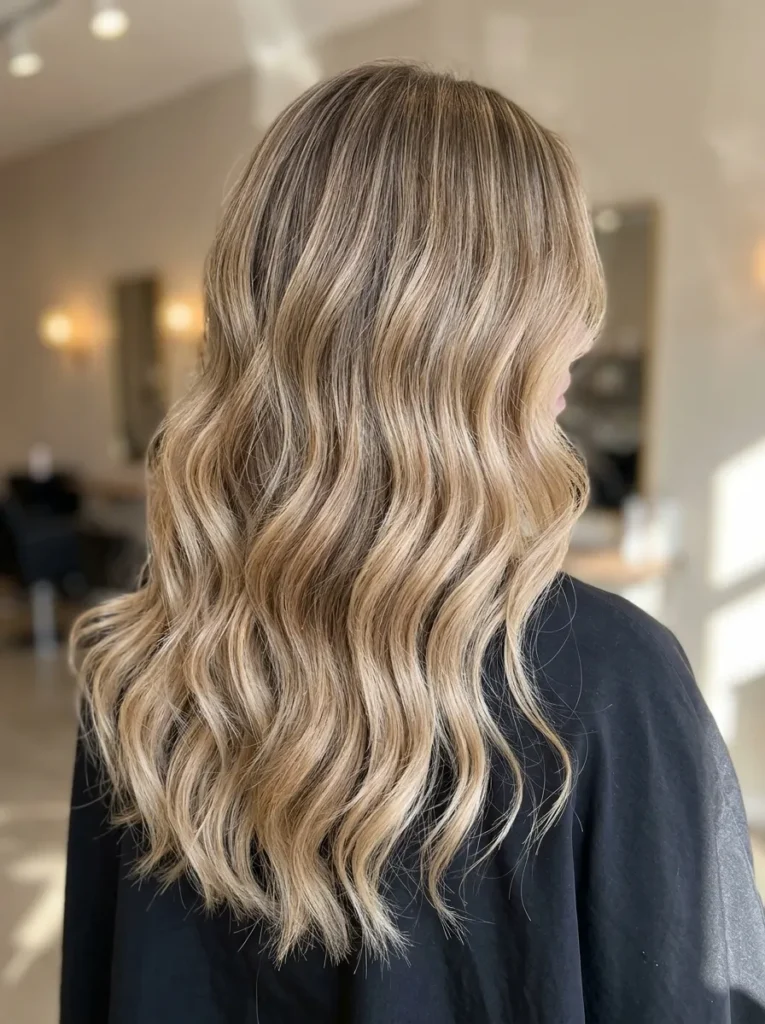
DO:
- Keep the roots in a natural sandy blonde shade.
- Concentrate champagne tones through the lower lengths.
- Add a few fine ribbons around the middle sections for better blending.
- Finish with a moisturizing hair mask to maintain shine.
DON’T:
- Avoid lifting the ends several shades lighter than the base.
- Don’t use an overly yellow toner on already warm hair.
- Avoid excessive heat styling that can make lightened ends look dry.
Champagne tones bring a soft glow to longer hairstyles without creating a harsh color transition. I’ve noticed that keeping the brightest pieces around the lower layers helps the hair look fuller and more dimensional. This placement is especially flattering on long, loose waves and layered cuts.
8. Caramel Blonde Lowlights
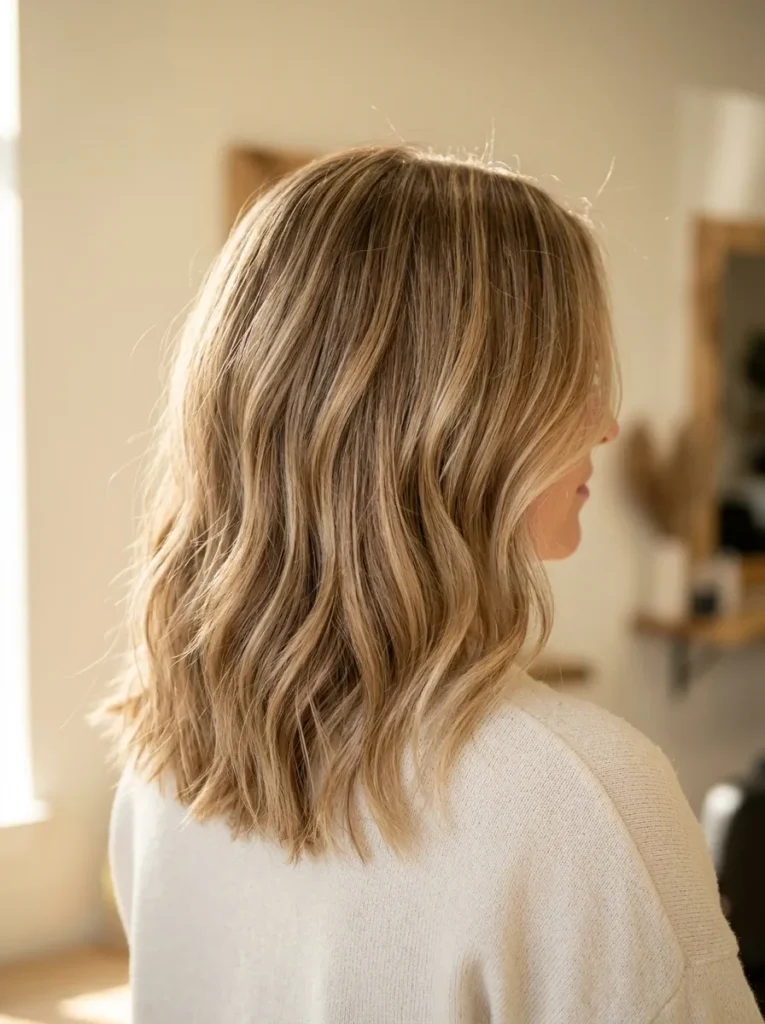
Base Color: Natural sandy blonde.
Highlight Tone: Soft honey and beige blonde.
Lowlight Tone: Muted caramel and light brown.
Best For: Fine hair, layered cuts, and anyone wanting more visible depth.
Result: A richer blonde appearance with balanced contrast and movement.
Caramel lowlights prevent lighter blonde shades from looking flat or overly uniform. Ask your colorist to weave a few darker caramel pieces between the brighter strands, particularly underneath the crown and through the mid-lengths. The contrast creates dimension, making the hairstyle look fuller without requiring an overall darker color.
9. Natural Root Melt

A natural root melt creates a softer transition between your original hair color and freshly lightened strands. Rather than starting every highlight directly at the scalp, ask your colorist to keep the root area slightly deeper and gradually blend lighter beige ribbons through the lengths.
For an especially natural finish, choose a root shade that closely matches your untreated hair. This makes regrowth less noticeable and keeps the overall color balanced. I’ve seen this technique work particularly well for people who love brighter blonde lengths but don’t want frequent root touch-ups.
10. Honey Blonde Ribbons
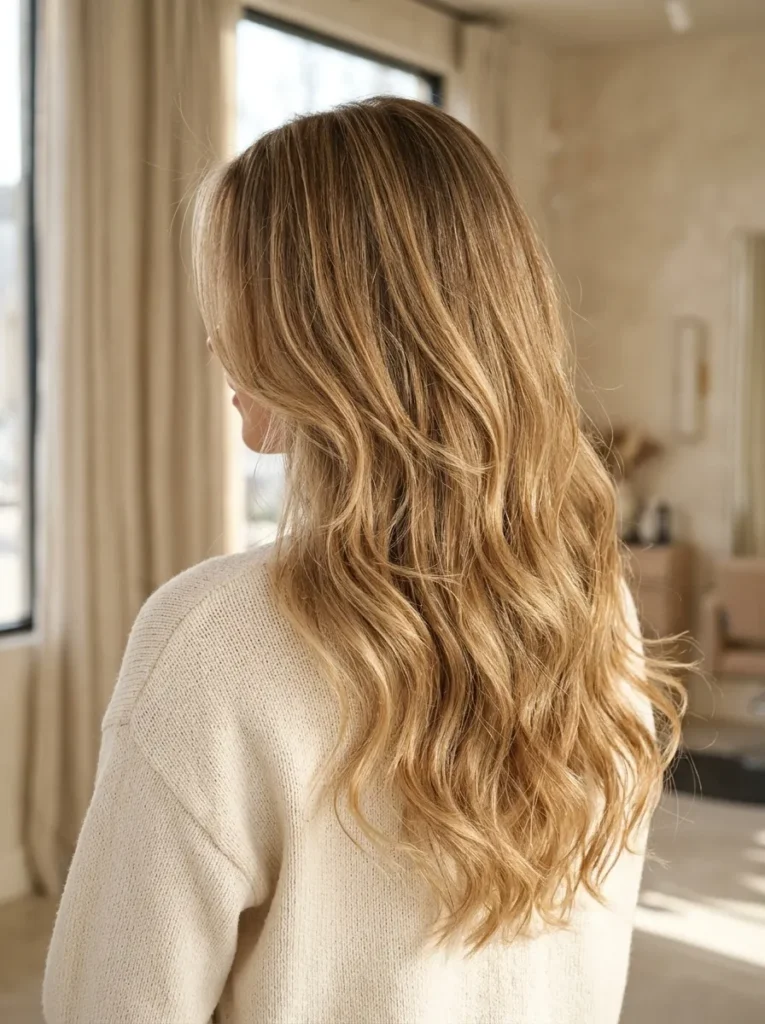
- Honey-gold ribbons add warmth without making the entire hairstyle look golden. Ask your colorist to place them between your natural sandy blonde strands.
- Keep the lighter pieces concentrated around the crown and mid-lengths for balanced brightness.
- Blend a few finer strands around the face to connect the color throughout the hairstyle.
- Choose a beige-gold toner if you prefer warmth without strong yellow tones.
- Finish with loose waves to show the different shades and create more visible movement.
The beauty of this color combination is its natural-looking warmth. It works especially well on medium and long hair because the golden ribbons become more noticeable as the layers move. A neutral root shade keeps the overall finish balanced and makes maintenance easier between salon visits.
Also Visit : 18 Stunning Burgundy Highlights to Transform Your Look
11. Creamy Blonde Money Pieces

Quick Tip:
Ask for creamy blonde pieces that are slightly brighter than your surrounding hair, but avoid making them dramatically lighter than the rest of your color. A soft blend near the temples helps prevent harsh lines as your roots grow.
Creamy face-framing sections work beautifully with curtain bangs, long layers, and shoulder-length cuts. Keep the rest of the hair in a neutral beige tone to maintain contrast without overwhelming your natural color. A lightweight gloss can help keep the lighter sections looking shiny and refreshed.
12. Smoky Beige Dimension

BEFORE:
An overly warm blonde base can sometimes develop unwanted yellow or orange tones. Without darker sections, the overall color may also appear flat under indoor lighting.
AFTER:
Smoky beige ribbons introduce cooler taupe tones while preserving a natural blonde appearance. The result has more depth, softer contrast, and a refined finish without looking completely ashy.
Ask your colorist to balance cool beige highlights with your natural warmth rather than applying an extremely gray toner. This is important because overly cool shades can look dull against some skin tones. A neutral gloss helps maintain the smoky effect while keeping the hair reflective.
13. Toasted Almond Lights
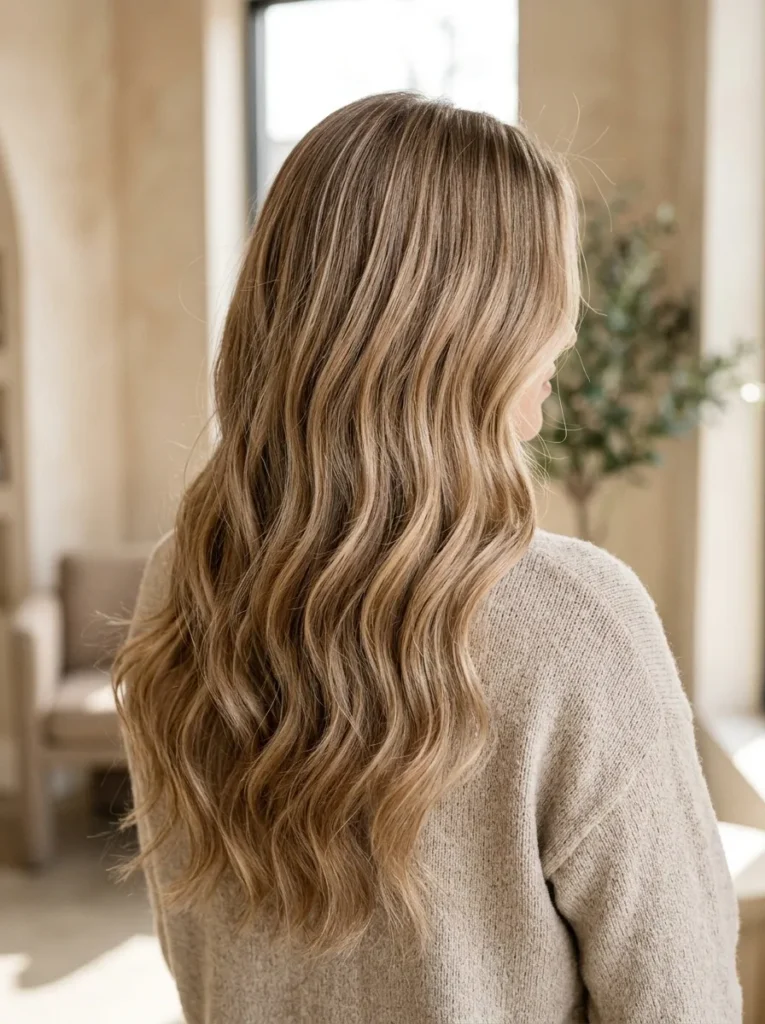
- Begin with a natural dark blonde or light brown base.
- Ask your colorist to weave fine toasted almond strands between lighter blonde sections.
- Concentrate the deeper ribbons underneath the crown and through the mid-lengths.
- Add a few beige-golden pieces around the face to balance the overall warmth.
- Finish with a neutral gloss to blend the different tones.
Toasted almond shades create a beautiful balance between brunette depth and blonde brightness. I’ve noticed that mixing these tones works particularly well on long layers because the darker ribbons become visible as the hair moves. Choose a soft beige finish for a natural result rather than strong copper or orange tones.
14. Buttery Blonde Balayage

| Feature | Option A: Buttery Blonde | Option B: Icy Blonde |
| Undertone | Warm golden cream | Cool silver beige |
| Overall Effect | Soft sunlit warmth | Cool, frosty brightness |
| Base Compatibility | Warm and neutral blonde | Cool and neutral blonde |
| Maintenance | Gloss refresh as needed | Regular toning may be needed |
Buttery blonde balayage adds warmth and brightness while keeping the roots naturally blended. Ask for creamy golden pieces rather than intense yellow strands, especially if your natural base has a neutral undertone. This color works beautifully on loose curls, long layers, and textured hairstyles that show off the gradual transition.
15. Dark Root Contrast

DO:
- Keep the root shade close to your natural color.
- Blend lighter beige strands gradually below the crown.
- Add fine golden pieces around the front sections.
- Choose a toner that complements your natural undertone.
DON’T:
- Avoid a sharp horizontal line between the root and blonde lengths.
- Don’t make every highlighted section equally bright.
- Avoid choosing a root shade that looks too dark against your complexion.
A deeper root creates beautiful contrast and makes the lighter lengths appear more noticeable. It is also practical for anyone who prefers fewer root appointments. Ask your stylist for a soft transition rather than a distinct dark band, so the finished hairstyle looks blended from every angle.
Also Visit : 19 Radiant Spring Hair Color Ideas You’ll Crave Now
16. Bronde Beach Waves
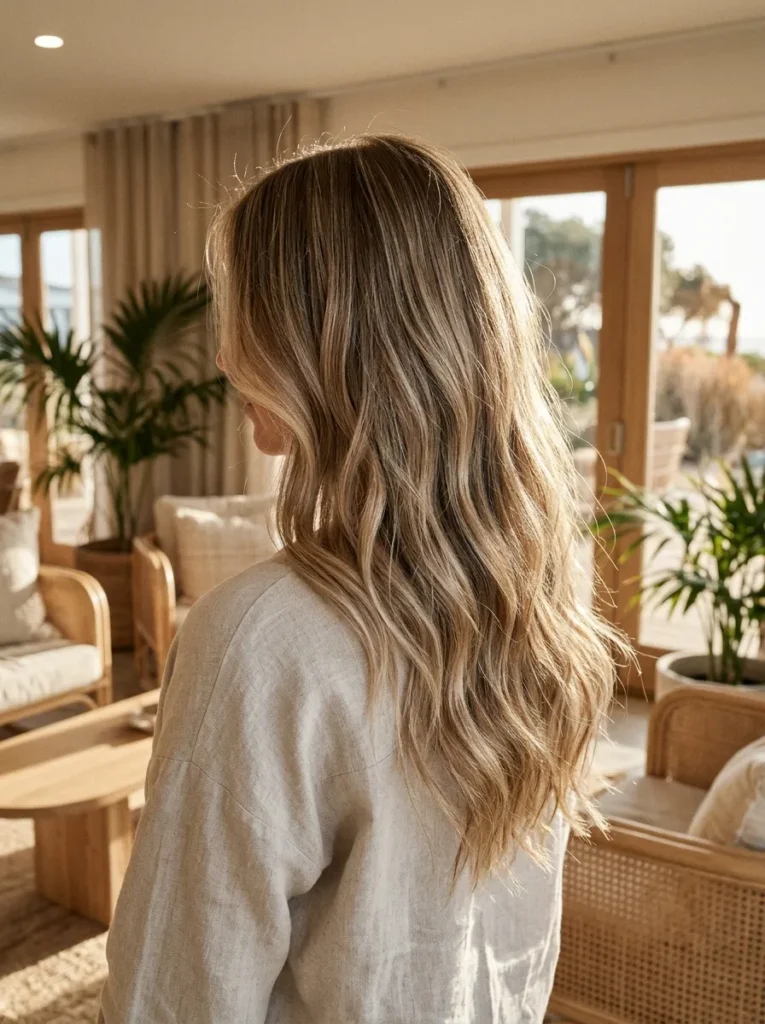
Base Color: Natural bronde or dark sandy blonde.
Highlight Shades: Warm beige, soft caramel, and muted honey.
Best For: Long layers, beach waves, and naturally textured hair.
Styling: Loose waves with a lightweight shine serum.
Result: Soft dimension with a relaxed sun-kissed finish.
Beach waves make every color variation more visible, especially when warm and neutral blonde shades are blended together. Ask your colorist to distribute lighter ribbons throughout the mid-lengths and ends while preserving some darker strands underneath. This combination gives the hair a naturally sunlit appearance without looking overly processed.
17. Soft Vanilla Highlights

Vanilla blonde brings a creamy brightness that looks especially lovely against a natural sandy base. Ask your stylist to weave fine, pale beige pieces through the top layers while keeping the underneath sections slightly deeper. This creates a soft contrast that becomes visible whenever the hair moves.
For a balanced finish, avoid lifting every strand to the same pale shade. A mixture of vanilla, neutral beige, and your natural blonde creates a more believable result. I’ve noticed that softer highlights also complement shoulder-length bobs and long layered hairstyles without requiring an all-over blonde color.
18. Golden Blonde Dimension

- Ask for fine golden ribbons throughout the upper layers to create brightness around the crown.
- Keep some natural sandy strands between the lighter sections for depth.
- Add slightly brighter pieces toward the ends to emphasize long layers.
- Choose a honey-beige toner to keep the golden shades soft and balanced.
Strong golden tones can become brassy, so the right finishing shade matters. Ask your colorist to use a balanced golden-beige gloss that complements your natural undertone. This combination works particularly well on wavy and layered hair, where different shades catch the light from multiple angles.
19. Soft Sunlit Melt
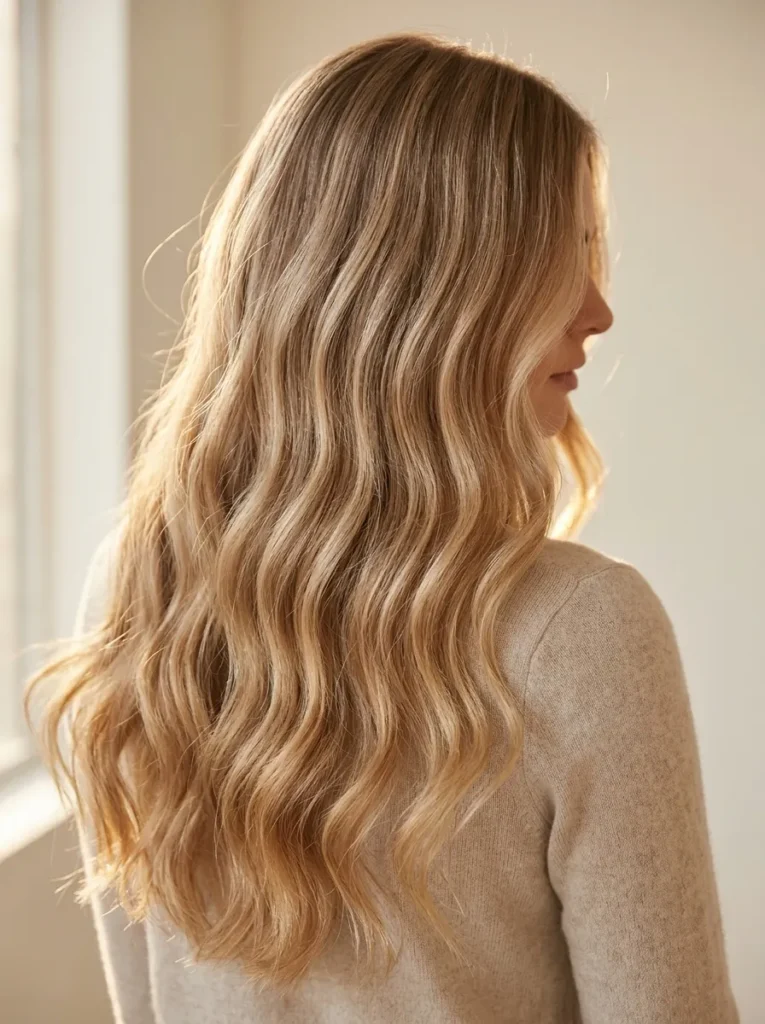
Base Shade: Natural sandy or dark blonde.
Highlight Shades: Champagne, beige, and soft honey blonde.
Best For: Long layers, loose waves, and medium-length hair.
Result: A naturally blended, sun-kissed appearance with soft dimension.
A soft sunlit melt brings together the best qualities of warm and neutral blonde shades. Ask your colorist to combine fine dirty blonde highlights with slightly brighter champagne pieces through the mid-lengths and ends. Keep the roots natural for a gradual transition. The final look feels bright, glossy, and beautifully dimensional without appearing overly highlighted.
Conclusion
The right color placement can bring warmth, brightness, and movement to your hair while keeping the result natural to you. From delicate beige ribbons to golden balayage and creamy face-framing pieces, these dirty blonde highlights offer inspiration for different lengths, textures, and personal styles.
Choose a look that complements your starting shade, and ask your colorist about the upkeep and toner it may need. Save this article on Pinterest so your favorite ideas are easy to find before your next salon visit. Share it with a friend who is ready for a little sunlit refresh, too.