The Ultimate Guide to Rice Water for Natural Hair: Benefits, DIY Recipe & Growth Secrets
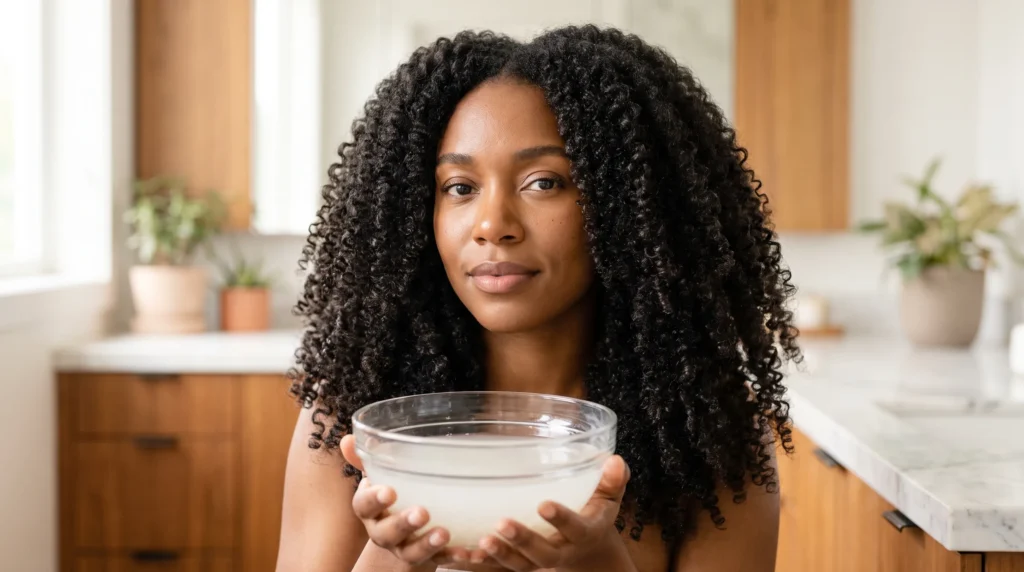
For centuries, the Red Yao women of Huangluo village in China have been famous for cultivating floor-length, jet-black hair that retains its vibrant color well into their 80s. Their ancient secret is surprisingly simple: a nutrient-dense, traditional ritual of washing with fermented rice water. Today, the global natural hair community has embraced this time-tested treatment as a powerful, low-cost remedy for hair retention, enhanced elasticity, and brilliant shine.
Whether you have soft Type 3 ringlets or tight Type 4 coils, incorporating rice water for natural hair into your wash day routine can deliver dramatic results. However, because rice water acts as a potent natural protein treatment, using it incorrectly can backfire—leading to dry, brittle strands and severe protein overload. In this ultimate guide, we break down the science behind rice water, present the best DIY recipes, and walk you through a step-by-step application protocol tailored specifically to your hair porosity.
Understanding the Science: How Rice Water Benefits Natural Hair
To understand why a simple starch bath can transform textured hair, we must look at the biochemical composition of the rice grain. When rice is soaked or boiled, essential vitamins, minerals, and carbohydrate compounds leach into the liquid, creating a bio-available elixir for fragile hair cuticles.
Textured hair—particularly Type 4 coils—is structurally delicate. Every bend, curve, and twist in a coil represents a natural point of structural weakness where the outer cuticle layer lifts, making the strand prone to moisture loss and snapping. A nutrient-dense rice water rinse for natural hair works by filling these microscopic gaps with protective nutrients.
Key Bioactive Compounds in Rice Water
- Inositol (Vitamin B8): Inositol is a specialized carbohydrate compound found in abundance in rice water. Unlike many hair ingredients that sit on top of the hair shaft, dermatological studies published in the International Journal of Cosmetic Science show that inositol penetrates deeply into damaged hair shafts. Even better, inositol remains inside the hair shaft even after thorough rinsing, offering ongoing internal repair and protection against daily friction.
- Hydrolyzed Rice Proteins & Amino Acids: Rice contains roughly 15% to 20% protein by mass. During the soaking or fermentation process, these proteins break down into small-chain amino acids. These amino acids bind to the keratin structure of the hair shaft, reinforcing weak spots along the curl pattern and boosting overall tensile strength.
- Vitamins B, C, and E: These essential antioxidants protect the scalp micro-environment from oxidative stress, soothe skin inflammation, and support healthy follicle function.
- Fermentation & pH Balance: Plain rice water has a slightly alkaline pH (around 7.0 to 7.5). However, when left to ferment, beneficial micro-organisms produce lactic acid, dropping the pH to an acidic range of 4.5 to 5.5. This matches the natural pH of human scalp skin and hair. An acidic rinse closes the outer hair cuticle flat, locking in hydration and reflecting light for high shine.
Key Benefits of Using a Rice Water Rinse for Natural Hair
Incorporating a regular rice water treatment into your natural hair regimen offers targeted benefits that directly address the most common curly hair challenges:
- Maximizes Length Retention: A common misconception is that rice water accelerates scalp growth rates overnight. In reality, rice water increases strand elasticity and structural resilience. By reducing daily breakage, shedding, and split ends, you retain the hair your scalp grows, allowing you to reach longer length goals faster.
- Enhances Curl Definition & Spring Elasticity: When hair cuticles are reinforced with plant amino acids, the natural curl pattern becomes more uniform. Curls spring back into shape easily, experience less frizz, and form distinct, clumping curl groups.
- Plugs Gaps in High Porosity Cuticles: If your hair absorbs moisture instantly but loses it just as quickly, you likely have high porosity hair. The starch and proteins in rice water for high porosity hair act like temporary spackle, filling open cuticle pores so moisturizing leave-ins stay trapped inside the hair shaft.
- Soothes Scalp Irritation: Starch compounds possess natural anti-inflammatory properties that calm itchy, flaky scalps and regulate excess sebum production without drying out skin tissue.
DIY Guide: How to Make Fermented Rice Water for Hair Growth
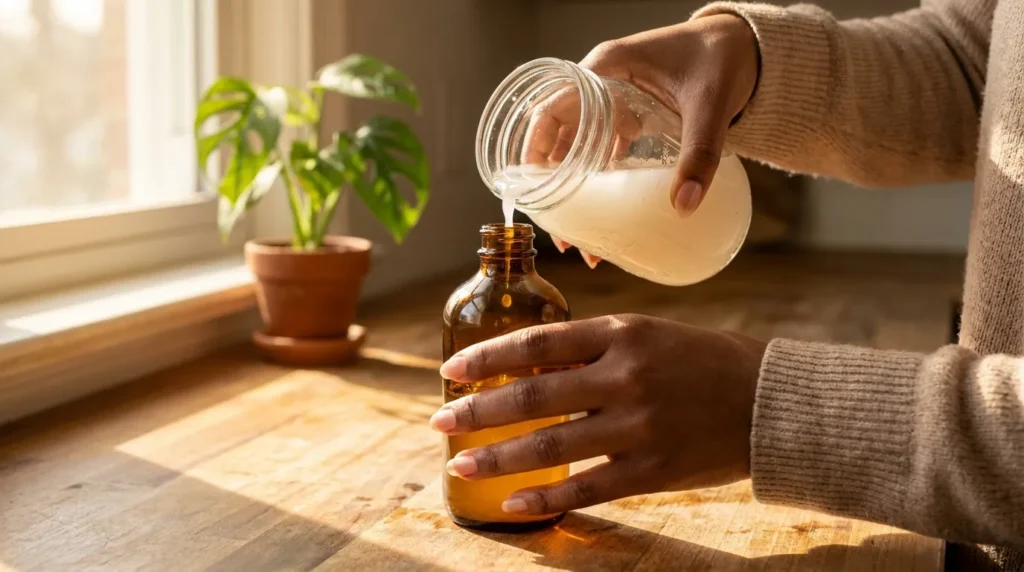
Creating your own nutrient-rich hair potion at home is straightforward and cost-effective. Here are the three most popular methods for preparing fermented rice water for hair growth at home.
Method 1: The Fast Soak Method (Best for Beginners)
If you want a quick, mild treatment without waiting days for fermentation, the simple soaking method is ideal.
- Ingredients: 1 cup organic white or jasmine rice, 2 to 3 cups distilled water.
- Step 1: Rinse the raw rice thoroughly under running water to remove dirt, dust, and processing residue.
- Step 2: Place the clean rice in a glass bowl, add the distilled water, and let it soak at room temperature for 30 to 60 minutes. Knead the rice gently with clean hands until the water turns cloudy and milky.
- Step 3: Strain the liquid into a clean spray bottle or applicator container. Use immediately.
Method 2: The Fermented Rice Water Method (Most Potent & Effective)
Fermentation unleashes the full potential of rice water by boosting antioxidant levels and balancing its pH to match your hair.
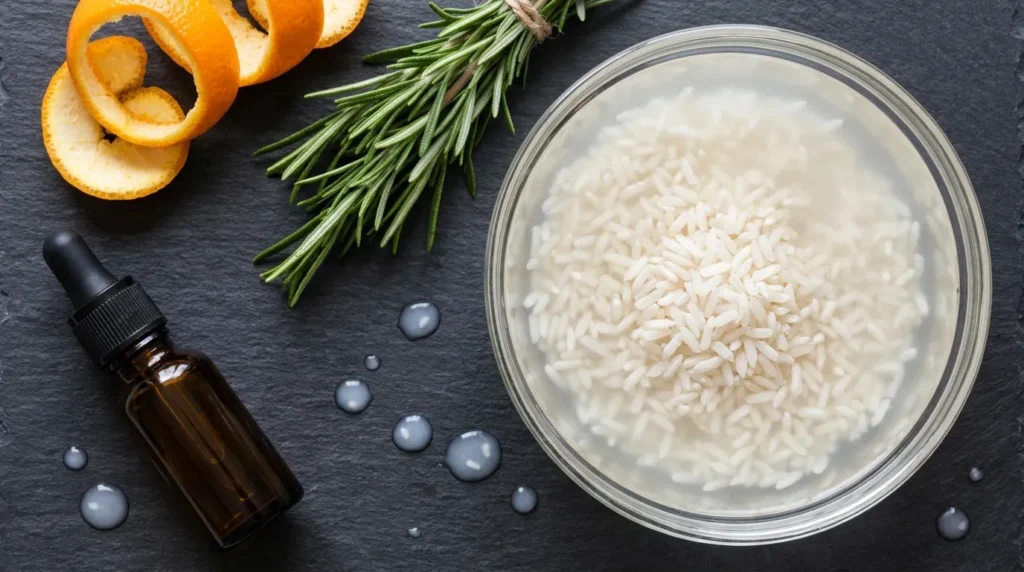
- Ingredients: 1 cup organic jasmine or brown rice, 3 cups distilled water, fresh citrus peels (orange, lemon, or grapefruit), 5 drops of lavender or peppermint essential oil.
- Step 1: Rinse 1 cup of organic rice thoroughly to remove surface impurities.
- Step 2: Combine the cleaned rice and 3 cups of distilled water in a clean glass mason jar. Add fresh citrus peels to neutralize the sour smell of fermentation.
- Step 3: Seal the jar loosely and leave it at room temperature in a dark spot for 24 to 48 hours. You will know it is ready when the liquid turns slightly cloudy and smells mildly sour and sweet.
- Step 4: Strain the fermented liquid into a bottle, mix in your favorite essential oil, and store it in the refrigerator to halt further fermentation.
Method 3: The Boiling Method (Concentrated Storage Option)
Boiling creates a concentrated batch of starch water that can be stored longer and diluted as needed.
- Step 1: Boil 1 cup of organic rice in 4 cups of water (double the water you normally use for cooking).
- Step 2: Once the water turns thick, white, and concentrated, strain the liquid into a bowl while leaving the cooked rice behind for eating.
- Step 3: Allow the concentrated liquid to cool completely. Dilute with 1 to 2 cups of plain water before applying it to your curls.
How to Apply Rice Water on Natural Hair: Step-by-Step Wash Day Protocol

To reap the maximum rewards from your treatment without drying out your curls, follow this precise step-by-step wash day protocol:
- Step 1: Clarify & Cleanse: Wash your hair thoroughly with a gentle, sulfate-free shampoo. Removing product buildup, oils, and butter residue ensures the rice proteins can attach directly to the hair cuticle.
- Step 2: Saturate with Rice Water: Section your damp, clean hair into 4 manageable quadrants. Pour or spray the fermented rice water rinse generously onto your hair, ensuring complete coverage from root to tip.
- Step 3: Scalp Massage & Stimulation: Use the soft pads of your fingertips to massage your scalp in circular motions for 3 to 5 minutes. This encourages microvascular blood flow to the hair follicles while distributing the nutrient-rich starch evenly.
- Step 4: Processing Time (15 to 20 Minutes): Gather your hair into a loose bun and cover it with a plastic shower cap. Let the treatment sit for 15 to 20 minutes. Do not leave rice water in your hair for longer than 30 minutes.
- Step 5: Rinse & Deep Condition (Crucial Step): Thoroughly rinse the rice water out with lukewarm water. Always follow up with a moisturizing, protein-free deep conditioner. Leave the deep conditioner on for 15 minutes to reintroduce soft, hydrating lipids and balance the strengthening effects of the protein.
Rice Water and Hair Porosity: Preventing Protein Overload on Natural Hair
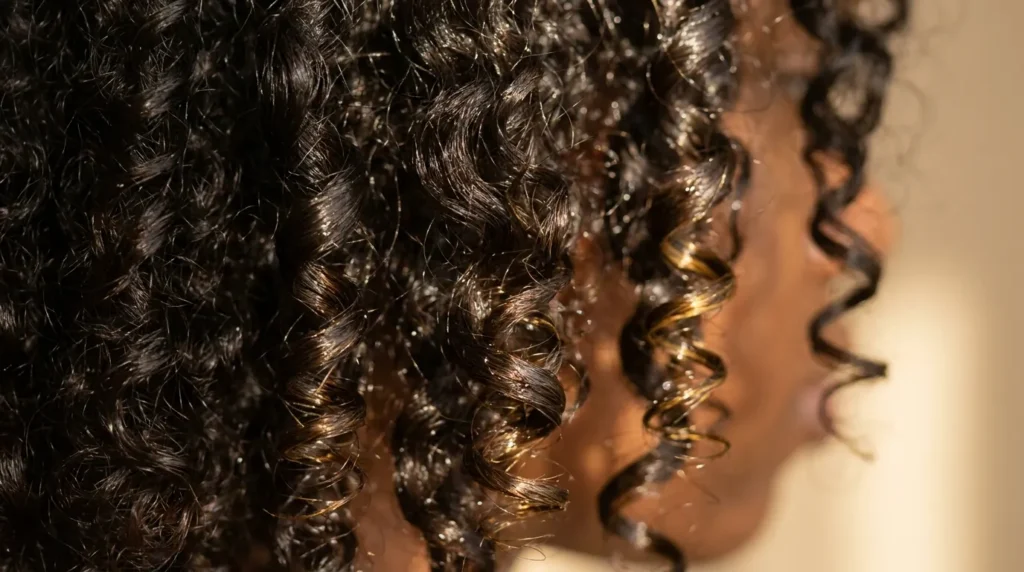
The single greatest risk associated with natural protein rinses is protein overload natural hair damage. Protein overload occurs when protein molecules build up on the outside of the hair shaft faster than the hair can absorb moisture, causing the strands to become stiff, brittle, straw-like, and prone to severe breakage.
Your hair’s porosity determines how frequently you should use rice water:
| Hair Porosity Type | Reaction to Rice Water | Recommended Usage Frequency | Pro Application Tip |
|---|---|---|---|
| High Porosity Hair | Loves protein; gaps in cuticle absorb rice water readily to reduce frizz. | Every 2 to 3 weeks | Follow with heavy natural butter (shea or mango) to seal open cuticles. |
| Medium / Normal Porosity | Maintains balanced protein-moisture levels effortlessly. | Once a month | Use unfermented or mild 24-hour fermented rice water. |
| Low Porosity Hair | Prone to rapid protein buildup; cuticles are tightly closed. | Once every 4 to 6 weeks (or avoid) | Dilute rice water 50/50 with water and apply gentle heat when deep conditioning. |
Signs You Have Protein Overload (And How to Fix It)
If your curls feel dry, snap easily when pulled gently, tangle incessantly, or look dull after a treatment, you are likely experiencing protein overload. To restore your hair:
- Clarify immediately with a chelating or sulfate shampoo to strip off excess surface protein.
- Pause all protein-containing products, natural rinses, and amino-acid-based stylers for 4 to 6 weeks.
- Apply heat-activated, protein-free moisturizing masks rich in aloe vera, jojoba oil, and glycerin twice a week until softness returns.
How Often Should You Use Rice Water for Natural Hair Growth?
When it comes to protein treatments, more is not better. Consistency and moderation yield the best results.
- For Thinning or Weakened Hair: Apply once every 2 weeks for the first month, closely monitoring how your strands feel.
- For Maintenance & Shine: Incorporate the treatment once a month during your regular deep-conditioning wash day.
- Storage Safety: Freshly fermented rice water must be kept in the refrigerator. Use it within 5 to 7 days. After one week, discard the liquid, as it will become overly acidic and harbour undesirable bacteria.
Frequently Asked Questions About Rice Water for Natural Hair
Q1: Can I leave rice water in my hair overnight as a leave-in treatment?
Answer: No, you should never leave rice water in your natural hair overnight. Leaving a starch and protein rinse on your scalp for hours creates an ideal environment for fungal growth, severe protein overload, and hygral fatigue (damage caused by prolonged swelling of the hair shaft). Always rinse thoroughly within 20 to 30 minutes.
Q2: Why does fermented rice water smell sour, and how can I fix it?
Answer: The sour smell is a natural byproduct of micro-organisms breaking down starches into lactic acid. You can easily mask the scent by adding citrus peels (such as orange, grapefruit, or lemon) to the jar during fermentation, or by stirring in a few drops of peppermint, rosemary, or lavender essential oil before application.
Q3: Which type of rice is best for making rice water for natural hair?
Answer: Organic white, jasmine, basmati, and black rice (Forbidden Rice) all work exceptionally well. Black rice is particularly prized because it contains high levels of anthocyanins—powerful antioxidants that protect color-treated and mature strands from environmental damage.
Start Your Rice Water Journey Today
Unlocking healthier, longer, and more resilient curls does not require expensive salon products. By harnessing the botanical power of rice water for natural hair, you can strengthen your curl pattern, seal high-porosity strands, and protect your length against daily wear and tear.
Ready to transform your wash day? Prepare your first batch of fermented rice water this week, listen closely to your hair’s protein-moisture needs, and enjoy the strong, glowing curls you deserve!
Also Visit : Best Oils for Flat Ironing Natural Hair (Without Damage)