How to Grow Natural African Hair Fast Without Breakage

If you have been trying to grow natural African hair fast and feel like you are going nowhere, you are not alone. African and type 4 hair has a reputation for not growing — but that reputation is wrong. Your hair is almost certainly growing right now. The real problem is that it is breaking off just as fast as it grows, which means the length never shows. Understanding this one difference changes everything about how you approach your hair care.
This guide focuses on both sides of the equation: how to support healthy hair growth at the follicle level and, more importantly, how to stop the breakage that steals your length before you ever see it. Every tip here is backed by either science or consistent real-world results from the natural hair community — not generic advice recycled from straight-hair blogs.
Let’s get into what actually works.
Growth vs Retention — The Truth Nobody Tells You
Before learning how to grow natural African hair fast, you need to understand one foundational concept: the difference between growth and retention.
Growth is what happens at the follicle. Research from the US Centers for Disease Control shows that hair grows approximately 0.5 inches (1.25 cm) per month on average, regardless of race or hair type. That is about 6 inches per year. African hair may grow slightly slower than Asian hair on average — but the difference is not dramatic enough to explain why so many people with type 4 hair feel stuck at the same length for years.
Retention is how much of that growth you actually keep. When your hair is dry, over-manipulated, or exposed to friction without protection, the ends break off constantly. If you are growing half an inch and breaking off half an inch, your hair length stays exactly the same — despite the fact that your follicles are doing their job perfectly.
This is why most African hair growth guides that focus only on growth-boosting oils and vitamins miss the point. You need both: growth support and length retention together. The tips below address both.
How Much Growth to Actually Expect — Setting Realistic Goals
Shrinkage is one of the most confusing parts of natural African hair growth. Type 4C hair can shrink by up to 70 to 75 percent of its actual length when dry. Hair that is six inches long can appear to be barely two inches. This leads many people to believe their hair is not growing when it actually is — it is just coiling back up tightly the moment it dries.
A realistic expectation is seeing about half an inch of new growth per month. At six months, with good retention, you should be able to stretch your hair and see approximately three inches of new length. At twelve months, six inches. Protective styling, consistent moisture, and reduced breakage can push retention even higher.
If you are seeing significantly less than this over several months of consistent care, the issue is likely breakage — not slow growth. Focus your energy on reducing breakage first, and visible length gain will follow.
Scalp Massage With Growth Oils — The Most Underused Tool
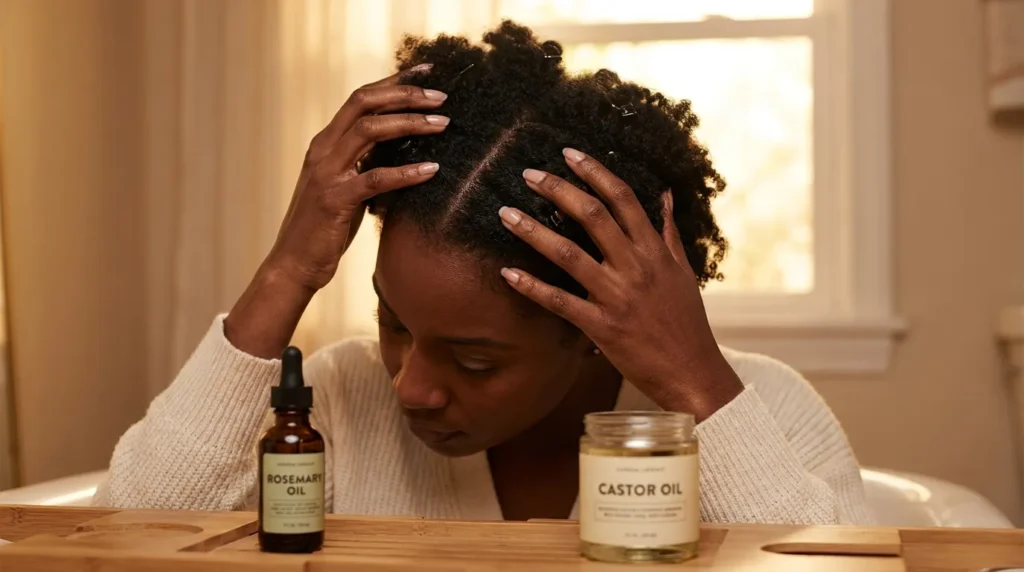
Scalp massage is one of the few hair growth methods with solid scientific backing. A 2019 clinical study found that rosemary oil was just as effective as minoxidil (a common pharmaceutical hair growth treatment) for promoting hair regrowth — with fewer side effects. Another study demonstrated that regular scalp massage increased hair thickness over 24 weeks even without any oil application, simply through the mechanical stimulation of blood flow to the follicles.
When you massage your scalp, you increase circulation to the hair follicles, delivering more oxygen and nutrients directly to the growing cells. Combined with the right oils, this becomes one of the most effective natural ways to grow natural African hair fast.
Best oils for African hair growth:
- Rosemary oil: The most evidence-backed oil for hair growth. Contains carnosic acid which stimulates nerve growth and promotes follicle health. Always dilute — 5 drops per tablespoon of carrier oil.
- Castor oil: Rich in ricinoleic acid, which promotes scalp circulation and has antifungal properties that keep the scalp healthy. It is thick, so always mix it with a lighter carrier oil like jojoba.
- Peppermint oil: A 2014 study showed peppermint oil stimulated hair growth more effectively than minoxidil in animal models. It creates a cooling sensation that indicates increased blood flow. Use 3 to 5 drops diluted in a carrier oil.
How to do an effective scalp massage:
- Mix 5 drops of rosemary or peppermint oil with 1 tablespoon of castor oil or jojoba oil.
- Part your hair into four sections and apply the oil blend directly to your scalp using your fingertips or a dropper bottle.
- Using the pads of your fingers (not your nails), massage your scalp in small circular motions, working across every section.
- Continue for 5 full minutes. Set a timer — 5 minutes is longer than you think.
- Leave the oil on overnight or for at least 2 hours before washing out.
Frequency: Three to four times per week for best results. Consistency over months is what produces visible change.
Rice Water Rinses — One of the Best Kept Growth Secrets
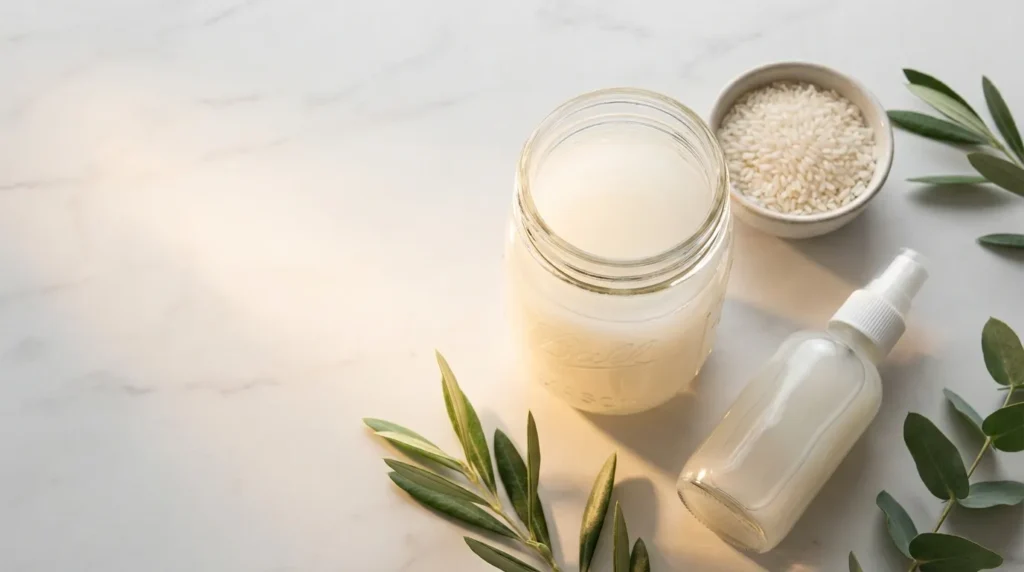
Rice water has been used for hair care in Asia and West Africa for centuries, and modern research has confirmed why it works so well. Rice water is rich in inositol, a carbohydrate that can penetrate into the hair shaft and repair damage from the inside. Studies show that inositol remains inside the hair even after rinsing, continuing to provide strength and protection. Rice water also contains amino acids that strengthen the hair root, and vitamins B, C, and E that support scalp health.
Fermented rice water has an even stronger effect — the fermentation process lowers the pH to match the natural pH of the hair, which helps close the cuticle and improve elasticity.
How to make fermented rice water:
- Rinse half a cup of plain white rice to remove any dirt or surface starch.
- Place the rinsed rice in a bowl and cover with 2 cups of water.
- Let it soak at room temperature for 24 to 48 hours. You will notice a slightly sour smell — this is normal and indicates fermentation is working.
- Strain out the rice and transfer the liquid to a spray bottle or jar. Store in the refrigerator for up to one week.
How to use rice water on natural African hair:
- After shampooing and rinsing your hair, spray or pour the rice water directly onto your scalp and throughout the length of your hair.
- Massage it into your scalp for two minutes.
- Leave it on for 15 to 20 minutes.
- Rinse thoroughly with cool water and follow with your conditioner.
Frequency: Once a week as part of your wash day routine. Do not use rice water daily — protein overload is a real risk with overuse.
Protective Styling Is Your Most Powerful Length Retention Tool

If you want to grow natural African hair fast and actually see the results, protective styling is not optional. It is your primary strategy for length retention. Protective styles — two-strand twists, braids, cornrows, bantu knots, buns, wigs, and crochet styles — tuck the most fragile part of your hair (the ends) away from daily friction, manipulation, and environmental stress.
Every time you touch, comb, style, or manipulate your hair, you create the opportunity for breakage. Protective styles reduce that manipulation dramatically. Over six months, the difference in length retention between someone who styles their hair daily and someone who keeps it in protective styles is significant and visible.
The rules for protective styling that actually works:
- Never style too tightly. Tension on the hairline and scalp is one of the leading causes of traction alopecia — a form of permanent hair loss. If your scalp hurts, the style is too tight.
- Keep your hair moisturized underneath. A protective style is not a reason to ignore your hair. Spray your scalp with a light water-based leave-in every two to three days and seal with a light oil.
- Take styles down within six to eight weeks maximum. Leaving protective styles in too long causes severe matting and breakage when taking them down.
- Deep condition every time you take a style down before attempting any other styling or manipulation.
Two-strand twists and low buns are the best starting protective styles because they are gentle, low-tension, and easy to maintain and take down without damage.
Master the LOC Method for Lasting Moisture
African hair, particularly type 4 hair, loses moisture faster than any other hair type because the tight coil structure prevents the scalp’s natural oils from travelling down the hair shaft. This means that moisture retention must be an active and daily effort — not something you do once a week on wash day and forget about.
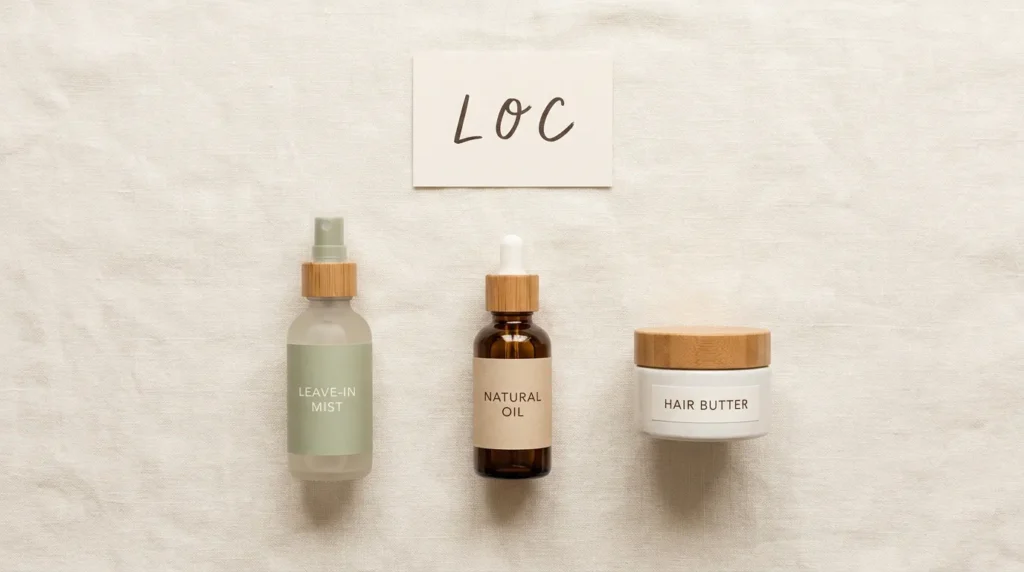
The LOC method (Liquid, Oil, Cream) is the most effective layering system for keeping African hair moisturized between wash days. Each layer serves a specific function:
- L — Liquid: Water or a water-based leave-in conditioner. This is the only true source of moisture for hair. Nothing else hydrates — oils and creams only seal.
- O — Oil: A natural oil applied immediately after the liquid while hair is still damp. Oil forms a barrier that slows down moisture loss. Best oils for type 4 hair: avocado oil, jojoba oil, sweet almond oil, or a blend of castor and a lighter oil.
- C — Cream: A thick butter or styling cream applied last to seal everything in and provide an additional moisture barrier. Shea butter, mango butter, or any heavy natural hair butter works well here.
Apply the LOC method after wash day and then do a mid-week refresh by spritzing lightly with water and reapplying a small amount of oil and cream to areas that feel dry. This keeps your hair moisturized for four to five days between washes — drastically reducing the dryness that leads to breakage.
Pre-Poo Before Every Single Wash
Pre-pooing — applying oil or conditioner to your hair before shampooing — is one of the simplest habits that makes a huge difference for African hair. Shampooing, even with a gentle sulfate-free formula, opens the hair cuticle and strips some of the hair’s natural oils. This leaves natural African hair vulnerable to breakage, especially when detangling afterward.
Applying a pre-poo treatment creates a protective layer over the hair strands before the shampoo strips them. The result is softer, more manageable hair after washing with significantly less breakage during detangling.
How to pre-poo African hair:
- On dry hair before wash day, apply a generous amount of coconut oil, olive oil, or a protein-rich conditioner to your entire hair from root to tip.
- Put on a plastic shower cap and leave the treatment on for at least 30 minutes. For best results, leave it overnight.
- Proceed with your regular shampoo and conditioning routine without rinsing the pre-poo out first — shampoo directly over it.
Coconut oil is particularly effective as a pre-poo because its small molecular size allows it to actually penetrate the hair shaft before washing, reducing protein loss during shampooing — a fact confirmed by published research.
Deep Condition Every Week — No Exceptions
Deep conditioning is the single most effective thing you can do on wash day for African hair health and growth. It goes beyond surface moisturizing to repair and strengthen the hair from inside the shaft, reducing the breakage that steals your length.
African hair has a particularly high need for weekly deep conditioning because its tight coil structure makes it more prone to dryness and mechanical damage. The general rule is: if you shampoo, you deep condition. Every single time.
How to maximize your deep conditioning results:
- Apply the deep conditioner generously after shampooing, coating every strand from root to tip.
- Cover with a plastic shower cap. The heat from your scalp will open the cuticle and allow deeper product penetration.
- For even better results, sit under a hooded dryer or use a heated conditioning cap for 20 to 30 minutes.
- Rinse with cool water to close the cuticle and lock in the treatment.
Look for a deep conditioner with water as the first ingredient and conditioning agents like shea butter, aloe vera, glycerin, and hydrolyzed proteins. Avoid anything with heavy non-water-soluble silicones near the top of the ingredient list.
The Right Vitamins and Diet Choices That Support Growth
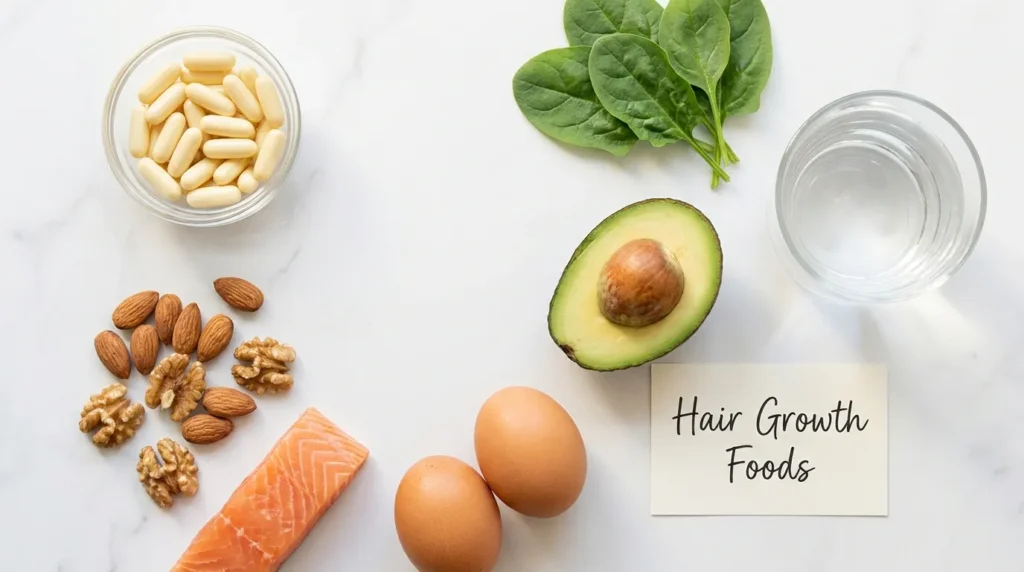
What you eat directly affects how well your hair grows. Hair follicles are among the most metabolically active cells in the body — they need a steady supply of protein, vitamins, and minerals to produce healthy, strong strands. Nutritional deficiencies are a surprisingly common cause of slow growth and excessive shedding.
Most important nutrients for African hair growth:
- Protein: Hair is made of keratin, which is a protein. Without enough dietary protein, hair growth slows and the hair that does grow is weak and prone to breakage. Aim for eggs, chicken, fish, lentils, beans, or Greek yogurt daily.
- Biotin (Vitamin B7): Biotin deficiency directly causes hair thinning and slow growth. Good sources include eggs, nuts, sweet potatoes, and avocado. Supplements of 2500 to 5000 mcg daily are commonly used, but consult a doctor before starting.
- Iron: Iron deficiency anemia is one of the leading causes of excessive hair shedding, particularly in women. Spinach, lentils, red meat, and pumpkin seeds are excellent iron sources. Pair with vitamin C for better absorption.
- Vitamin D: Research links vitamin D deficiency to hair loss. Many people with darker skin tones are deficient because melanin reduces the skin’s ability to synthesize vitamin D from sunlight. Consider a supplement if you live in a low-sunlight area.
- Zinc: Zinc regulates oil gland function around the follicle and helps with cell reproduction. Deficiency causes hair loss and slow growth. Sources include pumpkin seeds, chickpeas, beef, and cashews.
- Omega-3 Fatty Acids: These healthy fats reduce scalp inflammation that can slow follicle activity. Salmon, walnuts, chia seeds, and flaxseeds are top sources.
Drink at least 8 glasses of water daily. Dehydration affects every cell in your body including hair follicles, and it is one of the most overlooked factors in slow growth and dry, brittle hair.
The Habits That Are Silently Destroying Your Length
Even if you do everything above correctly, certain daily habits can undo months of progress. These are the most common length-killers for natural African hair:
- Sleeping on cotton: Cotton absorbs moisture from your hair as you sleep and creates friction that causes frizz and breakage. Switch to a satin bonnet or satin pillowcase every night without exception.
- Heat styling without protection: Flat irons and blow dryers cause heat damage that permanently alters the curl pattern and weakens the hair shaft. If you use heat, always use a heat protectant and keep the temperature below 350°F (175°C). Limit heat styling to once a month or less.
- Dry detangling: Forcing a comb through dry natural African hair causes significant breakage at the weakest points of every strand. Always detangle on wet, conditioner-coated hair in sections, working from ends to roots.
- Tight hairstyles on the edges: Repeated tension on the hairline causes traction alopecia — hair loss that can become permanent. Never pull the hairline tight, and give your edges rest periods between styles.
- Overwashing: Washing more than once a week strips the natural oils that African hair depends on for moisture and protection. Wash every one to two weeks and co-wash (conditioner wash) in between if needed.
- Product overload without moisture: Piling on styling products without a proper moisture base first simply coats dry hair with product. Always start with water, then seal.
Frequently Asked Questions
How fast does natural African hair actually grow per month?
Natural African hair grows at approximately 0.3 to 0.5 inches (about 0.75 to 1.25 cm) per month on average. This is slightly slower than Asian hair on average but comparable to Caucasian hair. The reason African hair often appears to grow more slowly is not the growth rate itself — it is the high breakage rate caused by dryness and fragility. Fix the breakage, and visible length follows.
What is the best oil to grow natural African hair fast?
Rosemary oil has the strongest scientific evidence for promoting hair growth. A 2019 clinical study showed it performed as well as 2% minoxidil for hair regrowth. For African hair specifically, mixing rosemary oil with castor oil provides both the growth stimulation of rosemary and the scalp circulation and antifungal benefits of castor oil. Always dilute essential oils before applying to the scalp.
Why does my natural African hair seem to not grow at all?
In almost every case, the hair is growing — it is just breaking off at the ends as fast as it grows. This is called breakage masquerading as slow growth. Check the signs: if you see many short broken pieces of hair when you detangle, that is breakage, not shedding. Focus on reducing dryness, gentle detangling, protective styling, and nightly satin protection to stop the breakage cycle.
Does rice water really help grow natural African hair fast?
Rice water does not dramatically speed up the growth rate at the follicle, but it significantly improves hair strength and reduces breakage — which means more of your growth is retained. The inositol in rice water penetrates the hair shaft and repairs damage, improving elasticity and reducing snap-off breakage during detangling and styling. Used consistently, it makes a real and measurable difference in retained length over time.
How do I retain length with natural African hair?
Length retention for African hair comes down to three core habits practiced consistently: keeping the hair moisturized with the LOC method, reducing manipulation through protective styling, and protecting the hair at night with satin. These three things alone, done consistently for six months, produce more visible growth than any growth oil or supplement used without them.
Should I trim my hair to help it grow faster?
Trimming does not make hair grow faster — growth happens at the follicle, not the ends. However, trimming split ends prevents them from traveling up the hair shaft and causing more damage, which means you retain more length over time. Trim only what is damaged — about a quarter inch every three to four months — rather than cutting regularly out of habit.
Start With Consistency — Not More Products
The secret to grow natural African hair fast is not finding the perfect oil or the right supplement. It is building a consistent routine that addresses moisture, breakage, and growth support together — and then sticking to that routine for months.
Start with the basics tonight: put on your satin bonnet. This week, do your first rice water rinse. Next wash day, add a scalp massage with rosemary oil before shampooing. Build from there. Every habit you add and maintain consistently moves the needle on your length.
Natural African hair is resilient. It responds well to care. Give it what it needs consistently, protect the ends, reduce the breakage — and the growth that was always happening will finally start to show.
Also Visit : Abyssinian Oil Benefits and Uses for Hair