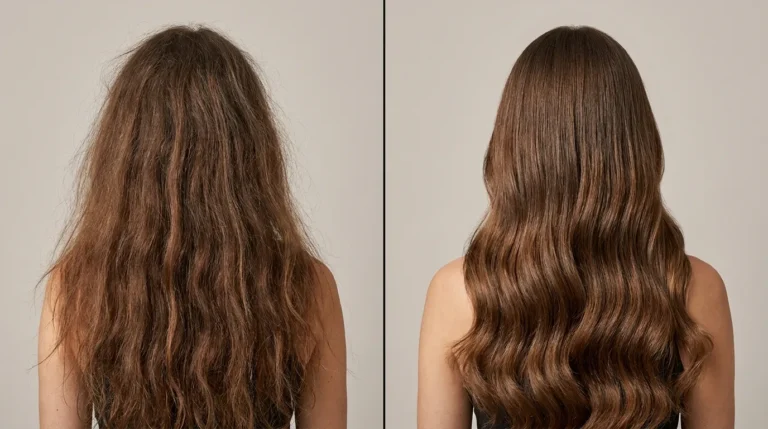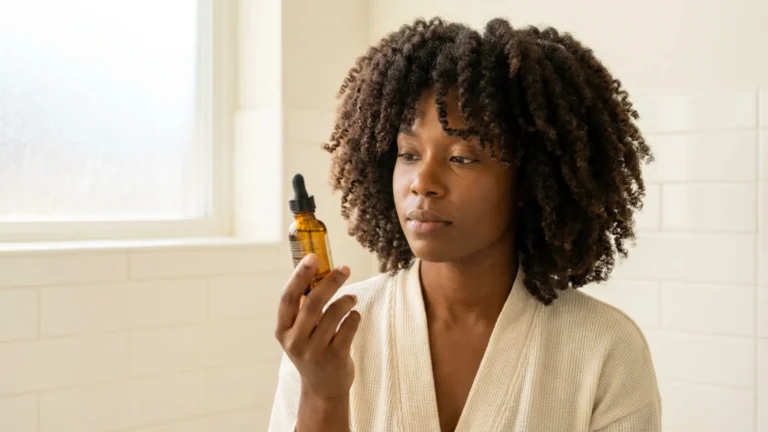
Wondering how to grow hair fast in natural ways? Read on

We have all been there: after a disappointing haircut or months of noticing stagnant hair length, you look in the mirror and ask yourself, how to grow hair fast in natural ways? Social media is flooded with promises of overnight miracles, secret elixirs, and extreme challenges claiming to add three inches of hair in a single week. But when you strip away the marketing hype, what actually works?
The biological reality is that human hair naturally grows about half an inch per month—or roughly six inches per year. However, chronic stress, nutritional gaps, scalp micro-inflammation, and mechanical breakage often prevent your hair from ever reaching its true biological potential. If your hair breaks at the ends at the same rate it grows from the roots, your length remains completely stuck.
While you cannot rewrite your genetics, you can optimize your scalp micro-environment, awaken sluggish hair follicles, and eliminate the breakage that steals your length. In this ultimate guide, we reveal the science of the human hair growth cycle, evidence-based botanical treatments, essential internal nutrients, and daily habits to help your hair grow as fast, thick, and healthy as possible.
The Science of Hair Growth: How Fast Can Hair Naturally Grow?
To optimize your hair growth journey, you must first understand the biological mechanism governing every strand on your scalp. Hair growth is not a continuous process; it operates in a tightly regulated three-phase cellular cycle.
1. The 3 Phases of the Hair Growth Cycle
- Anagen (The Active Growth Phase): This is the active phase where hair follicle cells divide rapidly to construct the hair shaft. The anagen phase typically lasts anywhere from 2 to 7 years, depending on genetics. The duration of your anagen phase dictates your maximum potential hair length.
- Catagen (The Transition Phase): Lasting roughly 2 to 3 weeks, this short transitional phase signals the end of active growth. The hair follicle shrinks, detaches from the dermal blood supply, and forms what trichologists call a “club hair.”
- Telogen (The Resting & Shedding Phase): Lasting approximately 2 to 4 months, the follicle rests while the old club hair remains in place. Eventually, a new anagen hair begins growing beneath it, naturally pushing the old strand out. Losing 50 to 100 telogen hairs per day is completely normal.
2. The Biological Speed Limit
On average, human scalp hair grows at a rate of 0.5 inches (1.25 cm) per month. That equals roughly 6 inches (15 cm) per year. While age, hormonal fluctuations, and health status can slightly slow this rate, no natural remedy can bypass human genetics to make your hair grow several inches overnight.
However, many people experience a shortened anagen phase due to poor scalp circulation, nutrient deficiencies, or elevated DHT levels. The goal of using natural hair growth tips is to keep your follicles in the anagen phase for as long as possible while maximizing strand thickness.
3. The Growth Rate vs. Length Retention Paradox
One of the biggest obstacles to achieving longer hair is confusing scalp growth with length retention:
| Concept | Primary Focus | Common Obstacles |
|---|---|---|
| Hair Growth (Scalp Level) | Cell division at the follicle bulb to push out new keratin strands. | Poor blood flow, scalp inflammation, hormonal imbalances, poor diet. |
| Length Retention (Ends Level) | Preserving the old, existing hair shaft to prevent snapping. | Split ends, heat damage, harsh sulfates, friction, dry cuticles. |
If your scalp grows 0.5 inches of new hair this month, but 0.5 inches breaks off your ends due to dryness or split ends, your net length gain is zero. True natural hair growth requires addressing both follicle stimulation at the root and length preservation at the ends.
Scalp-First Solutions: Stimulating Blood Flow to Awaken Follicles
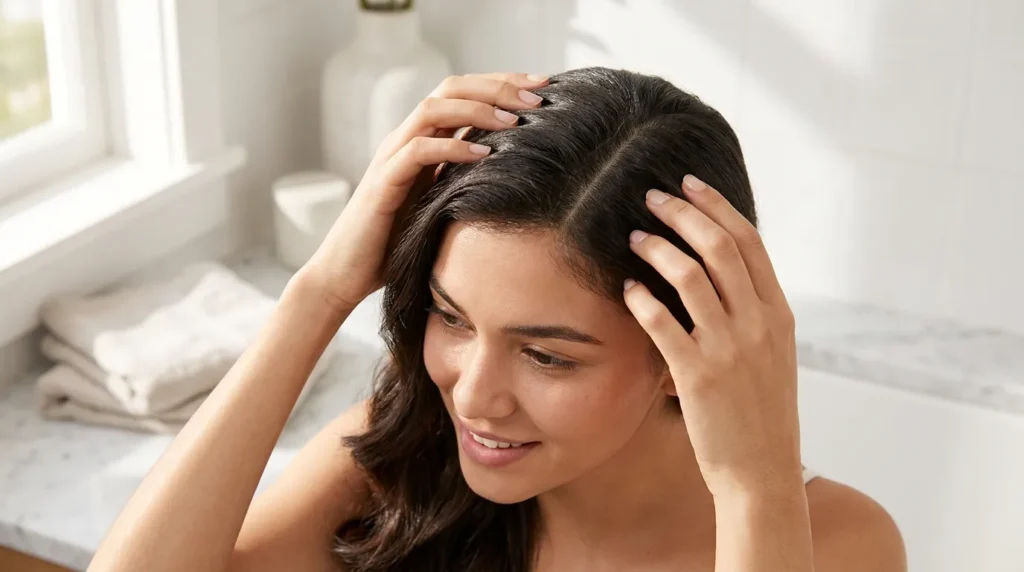
Every strand of hair relies on tiny blood vessels (capillaries) connected to the follicle bulb for oxygen, amino acids, and vital nutrients. If microcirculation to the scalp is sluggish, your hair follicles receive insufficient nourishment, leading to fine, weak growth and premature shedding.
1. The 4-Minute Daily Mechanical Scalp Massage
Incorporating a daily scalp massage for hair growth is one of the most effective, science-backed habits you can adopt—and it costs nothing.
A landmark 2016 clinical study published in the journal Eplasty evaluated the effects of daily 4-minute standardized scalp massages on human subjects over 24 weeks. The results were dramatic: regular mechanical stretching of scalp dermal papilla cells directly increased hair strand thickness and stimulated active growth signals.
- How to do it: Use the soft pads of your fingers (not your fingernails) or a soft silicone scalp brush. Apply medium, circular pressure across your entire scalp—starting from your hairline and working back to the nape of your neck.
- Duration: Perform this for 4 to 5 minutes daily. You can do this dry or while applying a lightweight botanical scalp oil.
2. Scalp Exfoliation (Clearing Follicle Plugs)
Just like the skin on your face, your scalp accumulates dead skin cells, hardened sebum (scalp oil), and product buildup from dry shampoos, heavy silicones, and hairsprays. This buildup can form microscopic plugs around follicle openings, causing micro-inflammation and suffocating emerging strands.
Exfoliating your scalp once every 1 to 2 weeks using a gentle botanical scalp scrub (featuring tea tree oil or salicylic acid) removes these debris plugs, allowing your hair follicles to function without impediment.
3. The Inversion Method: Separation of Fact from Fiction
The “Inversion Method” involves massaging your scalp with warm natural oil while hanging your head upside down for 4 minutes daily for one week. The theory is that gravity increases blood rush to the head, boosting nutrient delivery.
While the sudden influx of blood flow combined with massage can temporarily stimulate the scalp, hanging upside down will not magically yield an inch of growth in seven days. The real benefit comes from the consistent scalp massage itself rather than the upside-down posture.
The Best Natural Remedies for Faster Hair Growth
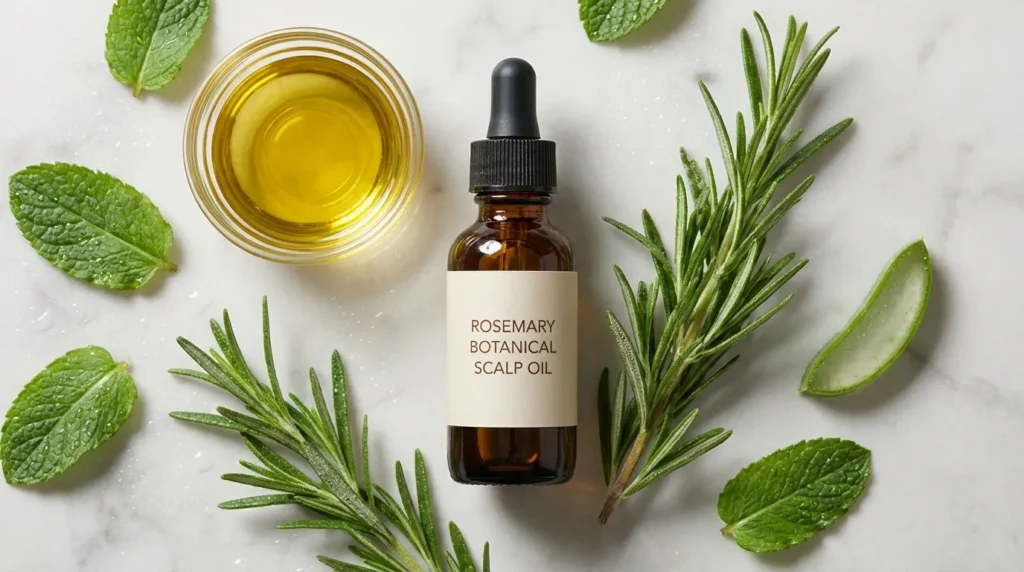
While proper scalp massage stimulates blood flow, pairing it with targeted botanical topicals can significantly boost your results. Nature provides several highly potent active ingredients that nourish hair follicles, reduce scalp inflammation, and extend the active growth phase.
1. Rosemary Essential Oil (The Science-Backed Growth Stimulant)
When discussing best natural oils for hair growth, rosemary essential oil leads the list. Rosemary oil exhibits strong antioxidant, anti-inflammatory, and microvascular-stimulating properties that improve cellular turnover at the hair root.
The Clinical Proof: A landmark 2015 randomized comparative trial published in the journal Skinmed compared rosemary essential oil against 2% Minoxidil (the active ingredient in conventional hair growth treatments) for treating androgenetic alopecia over six months. Both groups demonstrated a statistically significant increase in hair count, but the rosemary oil group reported far less scalp itching and irritation than the Minoxidil group.
- How to use: Never apply raw essential oil directly to your scalp. Always dilute 3 to 5 drops of organic rosemary essential oil into 1 tablespoon of a lightweight carrier oil (such as jojoba, pumpkin seed, or argan oil). Massage into the scalp 2 to 3 times a week and leave in overnight or for at least 30 minutes before washing.
2. Peppermint Essential Oil (The Vasodilation Booster)
Peppermint oil contains a high concentration of natural menthol, a powerful vasodilator that relaxes microscopic blood vessels surrounding hair follicles. Dermatological studies published in Toxicological Research found that topical peppermint oil application promoted rapid hair growth, increased follicle depth, and elevated hair count by pushing follicles into the active anagen phase.
3. Fermented Rice Water Rinse
Used for centuries by the Red Yao women of China, fermented rice water is rich in Inositol (Vitamin B8), vitamins B and E, and plant amino acids. Inositol penetrates damaged hair shafts, repairing structural cracks and improving strand elasticity so hair grows without snapping off prematurely.
4. Fresh Aloe Vera Gel & Onion Juice
- Aloe Vera Gel: Contains proteolytic enzymes that repair dead skin cells on the scalp, calm micro-inflammation, and unblock follicles clogged by excess sebum.
- Onion Juice: High in dietary sulfur, a mineral necessary for producing collagen and keratin. Applying fresh onion juice improves blood circulation and boosts tissue regeneration around sluggish follicles.
Top Natural Botanical Remedies Comparison
| Natural Remedy | Key Active Compound | Primary Benefit | Recommended Frequency |
|---|---|---|---|
| Rosemary Oil | Carnosic Acid & Cineole | Stimulates follicle microcirculation; blocks topical DHT | 2–3 times per week |
| Peppermint Oil | Menthol | Acts as a powerful vasodilator; deepens follicle root depth | 2 times per week (diluted) |
| Fermented Rice Water | Inositol & Amino Acids | Repairs cuticle damage; increases strand elasticity | Once every 2 to 4 weeks |
| Aloe Vera Gel | Proteolytic Enzymes | Soothes scalp inflammation; balances skin pH | 1–2 times per week |
Feeding Your Follicles: The Best Diet and Nutrients for Hair Growth
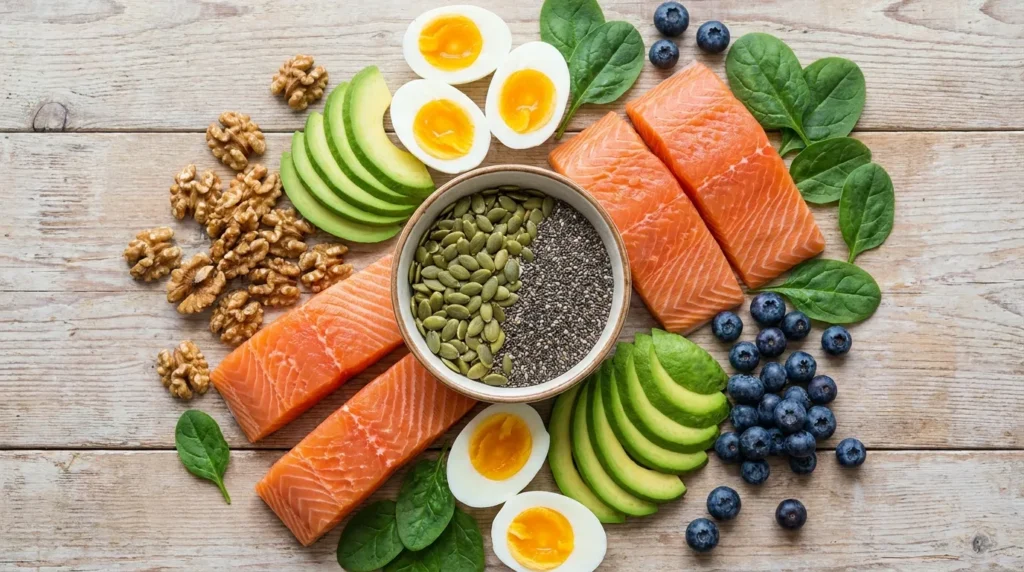
Topical treatments only work on the surface. Hair cells are among the fastest-dividing cells in the human body, but because hair is not a vital organ, your body directs dietary nutrients to essential organs (like your heart and liver) first. If your diet lacks crucial micronutrients, your hair follicles are the first to suffer, resulting in slow growth or acute shedding (Telogen Effluvium).
To support your body with a targeted diet for faster hair growth, ensure you consume adequate amounts of these vital nutrients:
1. Dietary Protein (Keratin Building Blocks)
Your hair is made of roughly 85% to 90% keratin, a tough structural protein. If your daily protein intake is deficient, your body cannot produce healthy keratin strands efficiently.
- Top Foods: Organic eggs, wild-caught salmon, lean poultry, Greek yogurt, lentils, quinoa, and pumpkin seeds.
2. Iron and Ferritin (Oxygen Carrier)
Iron helps red blood cells carry oxygen to your hair follicle bulbs. Low iron levels (and low stored iron, known as serum ferritin) are among the leading causes of unexplained hair thinning and slow growth in women.
- Top Foods: Grass-fed beef, spinach, lentils, dark chocolate, and pumpkin seeds. Pair iron-rich foods with Vitamin C (like citrus fruits or bell peppers) to maximize absorption.
3. Zinc and Biotin (Vitamin B7)
Zinc plays a crucial role in hair tissue growth and repair while keeping the oil glands surrounding your hair follicles functioning correctly. Biotin supports the metabolic production of keratin amino acids.
- Top Foods: Oysters, chickpeas, almonds, eggs, sweet potatoes, and avocados.
4. Vitamin D3 and Omega-3 Fatty Acids
Vitamin D plays a critical role in creating new hair follicles and awakening dormant ones. Meanwhile, Omega-3 fatty acids nourish scalp lipids, preventing dry, flaky skin and promoting high natural shine.
- Top Foods: Fatty fish (sardines, mackerel, salmon), walnuts, chia seeds, flaxseeds, and natural sunlight exposure.
Length Retention Secrets: How to Keep the Hair You Grow

You can optimize your diet, massage your scalp daily, and use effective topical oils, but if you do not master hair length retention, your hair will never appear longer. The ends of your hair are the oldest, driest, and most fragile parts of the strand. Protecting them from mechanical and thermal damage is essential.
Follow these five non-negotiable length-retention habits:
- Eliminate Harsh Sulfates & Drying Alcohols: Traditional shampoos often use Sodium Lauryl Sulfate (SLS), which strips away the scalp’s natural lipid barrier. Switch to sulfate-free botanical cleansers that lift dirt without desiccating mature hair cuticles.
- Protect Hair at Night with Silk or Satin: Standard cotton pillowcases act like sponges, absorbing natural moisture from your hair overnight while creating intense friction as you turn. Switch to a 100% Mulberry silk or satin pillowcase (or wear a silk bonnet) to let your hair glide smoothly without snagging or snapping.
- Practice Strategic Dusting vs. Aggressive Trimming: Trimming the ends of your hair does not make hair grow faster from the follicle root—that is a widespread myth. However, trimming or “dusting” split ends every 3 to 4 months prevents split ends from traveling up the hair shaft and causing severe breakage higher up.
- Avoid Low-Tension Protective Styles: Wearing tight ponytails, high buns, or overly tight braids pulls continuously on fragile hair follicles along your hairline. Over time, this mechanical strain causes traction alopecia and hairline recession. Opt for loose braids, low clips, or protective styles that leave your hairline stress-free.
- Control Thermal Styling Heat: Heat styling tools alter the internal hydrogen bonds of your hair, permanently damaging the cuticle structure. If you use hot tools, always keep temperatures **below 350°F (175°C)** and apply a botanical thermal protectant oil (such as grapeseed or argan oil) first.
Simple Weekly Routine to Maximize Natural Hair Growth
Consistency is the true engine of natural hair growth. To make these strategies effortless, follow this streamlined weekly schedule to nourish your scalp, stimulate follicles, and preserve your length:
| Frequency | Recommended Action Step | Primary Target |
|---|---|---|
| Daily | Perform a 4-minute mechanical scalp massage + sleep on a 100% Mulberry silk pillowcase. | Follicle stimulation & friction reduction |
| 2–3 Times a Week | Apply 3–5 drops of diluted Rosemary or Peppermint essential oil to scalp partings overnight. | Microcirculation boost & follicle activation |
| Weekly | Wash with a sulfate-free botanical shampoo + apply a deep moisturizing protein-free mask. | Scalp cleansing & cuticle hydration |
| Monthly | Gently exfoliate the scalp to clear buildup + perform a micro-dusting on split ends if needed. | Follicle detox & length retention |
Frequently Asked Questions About Growing Hair Naturally
Q1: Can hair really grow an inch in a week naturally?
Answer: No. Biologically, human scalp hair grows at a steady rate of approximately 0.5 inches per month (around 0.12 inches per week). Claims of growing an inch of hair in seven days are internet myths. However, by stopping mechanical breakage and optimizing scalp health, you ensure every millimeter grown at the root is retained at the ends, making your growth far more meangingful and noticeable.
Q2: Does rice water really help grow hair faster?
Answer: Rice water does not change your genetic growth rate at the scalp level. However, its high concentration of Inositol (Vitamin B8) and plant amino acids repairs microscopic cracks in the hair shaft and increases elasticity. This prevents premature snapping, allowing you to retain length much faster over time.
Q3: Which natural oil is best for fast hair growth?
Answer: Rosemary essential oil is the most scientifically proven natural oil for hair growth. Clinical studies demonstrate that topically applied diluted rosemary oil matches the hair-regrowth efficacy of 2% Minoxidil over six months by increasing microvascular blood flow to dormant hair follicles with fewer side effects.
Start Your Natural Hair Growth Journey Today
Learning how to grow hair fast in natural ways is not about hunting for secret overnight shortcuts; it is about adopting a holistic approach that respects human biology. By stimulating scalp blood flow with daily massages, feeding your follicles nutrient-dense foods, applying clinically proven botanicals like rosemary oil, and protecting your fragile ends from breakage, you give your hair everything it needs to reach its maximum biological potential.
Take action today: Start with a simple 4-minute scalp massage tonight, swap out harsh sulfate shampoos, and give your hair the clean, botanical care it deserves to flourish naturally!
Also Visit : How to style fine hair for fuller volume every day