Hair Care Routine for Silky Hair: Where Do You Start?

Most people start a hair care routine for silky hair by buying a serum. It’s the last step, not the first, and it’s why so many routines fall flat.
Quick answer: Silky hair comes from a smooth outer layer on each strand and enough moisture inside it. So wash your scalp gently, condition the ends every time, dry your hair without rubbing, and cut back on heat. Add a leave-in or light oil last, and match its weight to your hair type.
This guide starts with what silky actually means, then helps you pick the one problem to fix first. You’ll get a wash-day routine, the drying habits that matter, and a fix-it section for when nothing seems to work.
What Silky Hair Actually Means
Silky isn’t a hair type. It’s a feel: slippery, light, and shiny where the light hits it. Two things create it. The cuticle, the thin outer layer of each strand, has to lie flat, like roof shingles that haven’t lifted. And the inside of the strand needs enough water to stay flexible instead of brittle.
That’s why heat, rough towel drying and harsh shampoo undo silkiness so quickly. They lift the shingles and dry out the middle. It’s also why one product can leave a friend’s hair glossy and yours greasy. Fine hair gets weighed down fast. Thick or coily hair often needs richer products to feel the same.
One honest limit. Your natural texture won’t change. Tight coils won’t turn pin-straight because of a routine, and they don’t need to. What you can change is how smooth, soft and shiny your own texture looks and feels. That’s the goal of any silky hair routine worth following.
Find Your Starting Point
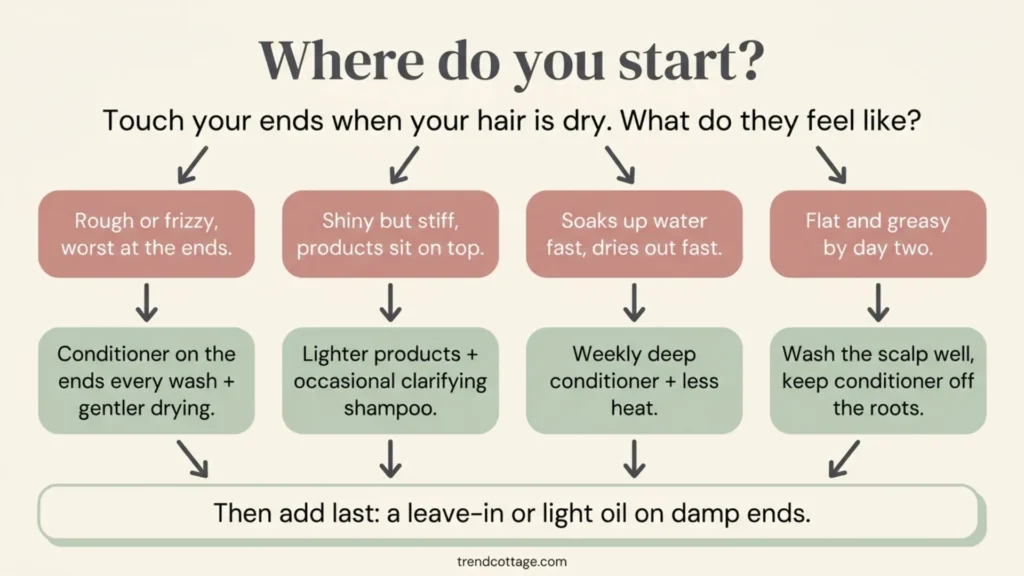
Where you begin depends on what your hair is doing right now, not on a hair type label. Find the row below that sounds most like your hair and fix that first. Changing everything in week one makes it hard to tell what worked.
| What your hair does | Likely reason | Start here | Skip for now |
|---|---|---|---|
| Rough or frizzy, worst at the ends | Lifted cuticle from heat, friction or dryness | Conditioner on the ends every wash, gentler drying | Shine serums |
| Shiny but stiff, and products sit on top | Tightly packed cuticle or product build-up | Lighter products, an occasional clarifying shampoo | Heavy oils and butters |
| Soaks up water fast, dries out fast | Damaged, very open cuticle | Regular deep conditioning, less heat | Frequent hot tools |
| Flat and greasy by day two | Oil at the scalp, or product sitting too near the roots | A proper scalp wash, conditioner kept off the roots | Rich leave-ins near the roots |
Two rows can be true at once. Ends are often rougher than roots because they’re the oldest part of your hair and have lived through the most brushing and heat. If you see yourself in two rows, start with the one that involves the ends, because that’s where your hair care routine for silky hair will show results first.
Also Visit : Soft Hair Care Routine: What Actually Makes Hair Softer
The Base Hair Care Routine for Silky Hair
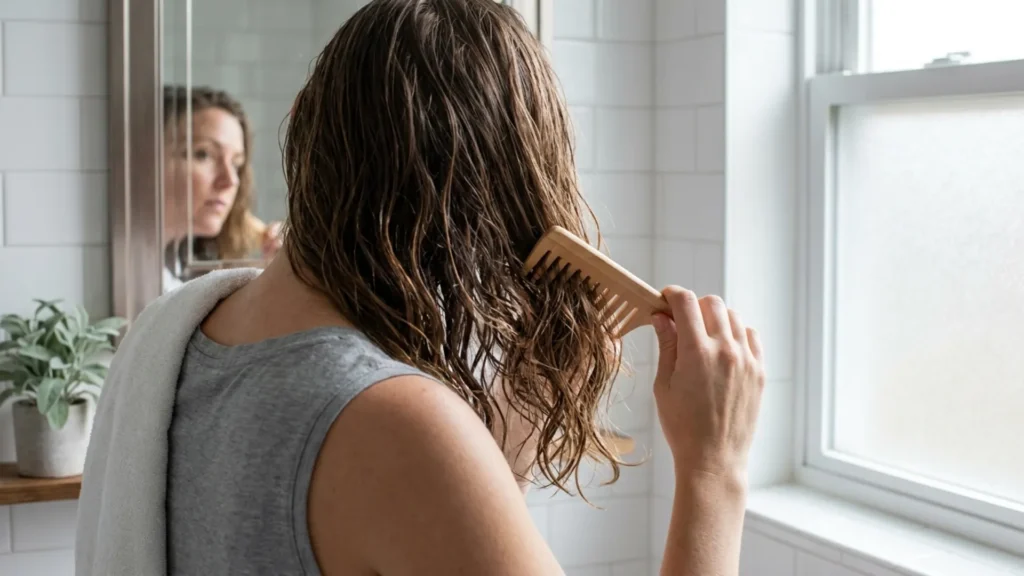
This is the wash-day base of any hair care routine for silky hair. Most hair types can follow it as written, with the small tweaks below.
- Loosen big tangles before you get in the shower, using your fingers or a wide-tooth comb.
- Wet your hair with lukewarm water. Very hot water feels good but tends to leave hair drier.
- Shampoo your scalp only. Massage it in, then let the suds run down the lengths as you rinse.
- Squeeze out the water, then smooth conditioner from the mid-lengths to the ends. Leave it on for the time on the label and comb it through gently.
- Rinse well. Leftover conditioner can make fine hair look flat.
The scalp-only shampoo rule matters more than it looks. Your scalp is where oil and product build up, and the lengths are already the driest part. Suds that run through them on the way out still clean them, which is plenty for most people.
Conditioner placement changes with your hair. The American Academy of Dermatology’s conditioner advice is to keep it on the ends if your hair is fine or straight, and to use it on the full length if your hair is dry or curly. Either way, follow every shampoo with conditioner.
How often you repeat all this depends on your scalp, not a fixed rule. If it turns oily quickly, wash more often. Dry, coloured or textured hair can usually go longer between washes, as long as the scalp still feels clean.
Drying and Heat Habits That Undo Silkiness
Wet hair is fragile. Rubbing it hard with a towel roughs up the cuticle you just smoothed, so press and squeeze with a soft towel or an old cotton t-shirt instead.
Comb gently once the tangles are loose. Start at the ends and work upwards, so you’re not dragging one big knot down the whole strand. Straight hair does best if it dries a little first. Textured or tightly curled hair is easier to comb while it’s damp and coated in conditioner.
Then there’s heat. Air drying is the gentlest option, and it’s worth doing whenever you have time. When you do reach for a blow dryer, flat iron or curling iron, use a heat protectant, pick the lowest setting that works, and keep the tool moving. Protectant reduces damage but doesn’t cancel it. This list of everyday hair-damaging habits suggests using hot tools about once a week at most, and less if you can manage it.
Tight styles cause a slower kind of damage. Hair pulled hard in the same spot every day breaks there. Loose styles and fabric-covered bands are kinder to a silky hair routine.
Also Visit : How to Build a Coily Hair Care Routine That Lasts
Weekly Extras: Masks, Oils and the Protein Question
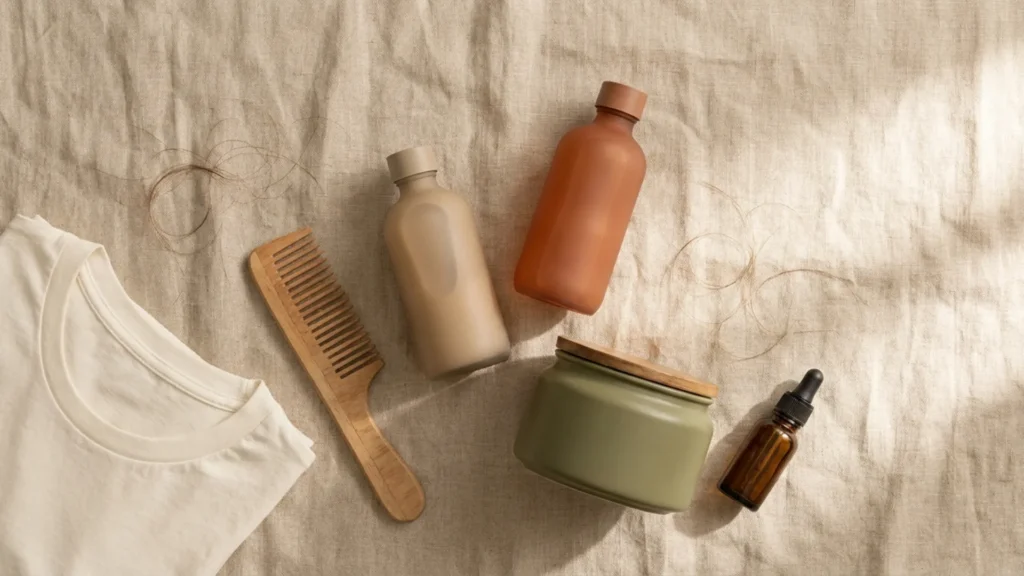
A deep conditioner is a richer version of your regular one. Use it in place of your usual conditioner once a week, then notice how your hair feels over the next few days. Heavy and flat means it’s too rich. Soft and smooth means keep going.
Protein is the part that confuses people. Protein-based products firm up a strand, which helps hair that feels overly soft, stretchy or mushy when wet. Moisture-based products soften a strand, which helps hair that feels stiff, straw-like or snaps easily. Most hair needs a mix, and too much of either tips it the wrong way. Treat this as a rule of thumb, not a diagnosis.
Oils add shine and slow moisture loss, but they don’t add water. Put a small amount on damp ends, never on the roots. Lighter oils suit fine hair. Thicker, richer ones suit coarse or coily hair. Start with less than you think you need.
Kitchen masks made with egg, avocado or rice water are popular online, but there’s little solid research showing they make hair silkier, and they’re messy to rinse out. A good conditioner does the same job more predictably.
Now and then, a clarifying shampoo helps remove product build-up, which can make hair look dull and feel coated instead of smooth. Use it sparingly and follow it with conditioner.
When Your Hair Still Isn’t Silky
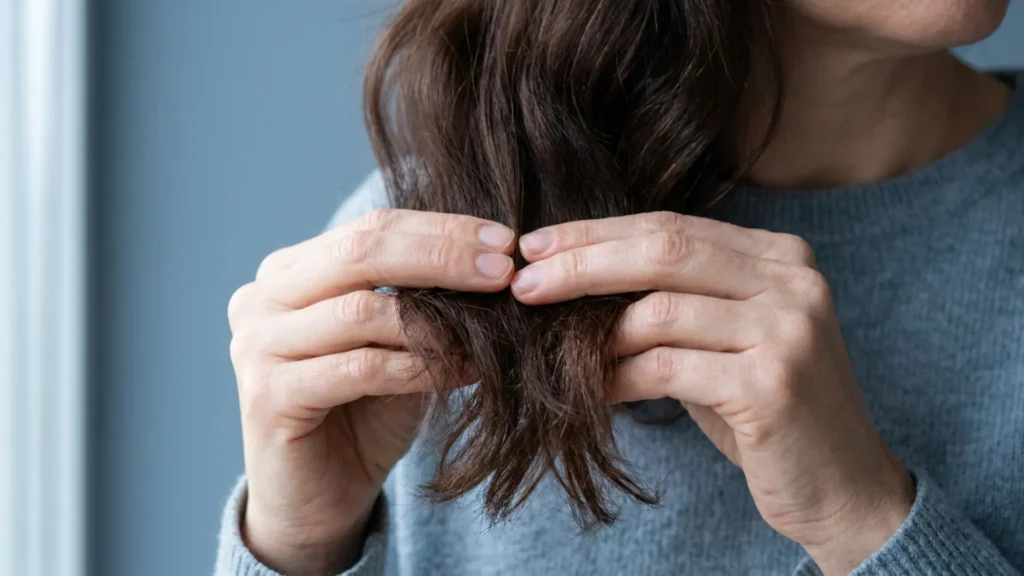
Give any hair care routine for silky hair a few washes before judging it. If something still feels off, match it to the symptom.
Silky when wet, rough when dry. Your ends are probably losing moisture fast. Put a leave-in on damp ends, cut back on heat, and think about a trim.
Silky for a day, then flat. Too much product near the roots is the usual cause. Keep conditioner and leave-in off them, and wash the scalp properly.
Frizzy in humid weather. Dry hair reaches for moisture in the air and swells. A little leave-in or oil on the ends gives it a coating, so it reaches less.
Ends still rough after weeks. Split ends can’t be glued back together. Only a trim removes them, and it’s the fastest way to make the rest of your hair look smoother.
If your hair suddenly feels different, or you notice more shedding than usual, talk to a dermatologist. A routine can’t solve that.
Also Visit : Hair Care Routine for High Porosity Hair: What Works?
Key Takeaways
- Silkiness comes from a flat cuticle plus moisture inside the strand. Serum only adds shine on top.
- Shampoo the scalp, condition the ends, and do it on every wash.
- Blot instead of rubbing, and go easy on hot tools.
- Fix one problem at a time. A hair care routine for silky hair works best in small steps.
- Ends are the oldest hair you have. For split ends, a trim beats any product.
Frequently Asked Questions
How can I make my hair silky and smooth naturally?
Focus on habits, not exotic ingredients. Gentle washing, conditioning the ends, air drying when you can and using less heat will do more than any homemade mask. That’s the core of how to get silky hair without spending much. A light oil on damp ends adds shine if your hair likes it.
How often should I wash my hair to keep it silky?
Wash when your scalp feels oily or dirty, not on a schedule. Dry, coloured or textured hair often needs washing less often. Whatever you choose, condition after every shampoo.
Does silky hair need protein or moisture?
Both, in balance. Stiff, straw-like hair usually wants more moisture. Mushy, overly stretchy hair usually wants more protein. If you can’t tell which you need, start with moisture and watch the result.
Does a silk pillowcase help?
It can reduce rubbing on your ends overnight, which is a small plus. It won’t fix rough hair on its own, so treat it as an extra, not a step you need.
Can damaged hair become silky again?
It can feel softer and look smoother with better care. Strands that are already split or badly lifted won’t fully repair, though. A trim clears them out while your routine protects the new growth.
If you try this routine, tell us in the comments which starting row you picked and what changed. Save it for your next wash day too.
Written by Anna Anderson for Trend Cottage.