Hair Care Routine for Frizzy Hair: Fix the Real Cause First

Most people fix their frizz routine backward. They buy a new serum, swap shampoos, try a “curly girl” method they saw on Pinterest, and wonder why nothing sticks. The problem isn’t the product. It’s that frizz has more than one cause, and a routine built for the wrong one won’t do much at all.
Quick answer: a hair care routine for frizzy hair works when it matches your actual cause of frizz, not a generic template. That means diagnosing whether your frizz comes from dryness, humidity, damage, or under-conditioning first, then building wash-day steps, between-wash habits, and weather adjustments around that specific cause.
What’s Actually Causing Your Frizz
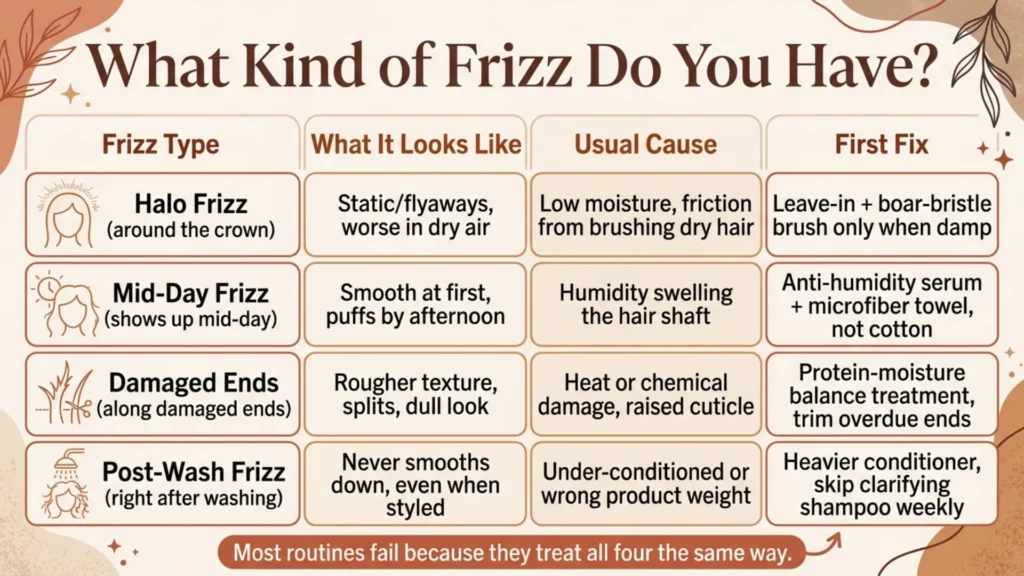
Frizz happens when the outer layer of your hair, the cuticle, lifts instead of lying flat. Moisture gets in unevenly, strands swell at different rates, and you get that fuzzy, uncontrolled texture. But what makes the cuticle lift in the first place varies a lot from person to person.
Some hair frizzes because it’s genuinely dry and thirsty for moisture. Some frizzes because it’s damaged, from heat tools or color, and the cuticle can’t lie flat anymore even when it’s well moisturized. Some hair is fine most of the time and only frizzes when humidity spikes. And some hair frizzes right after washing because the conditioner used wasn’t heavy enough to coat the strand properly.
Look at when your frizz shows up worst. Right after you wash and dry it? That points to product weight or technique. Only on humid days? That’s a humidity problem, not a dryness one. Mostly around damaged or color-treated sections? That’s structural. Knowing this changes almost every step that follows.
The Wash Day Steps That Change Everything
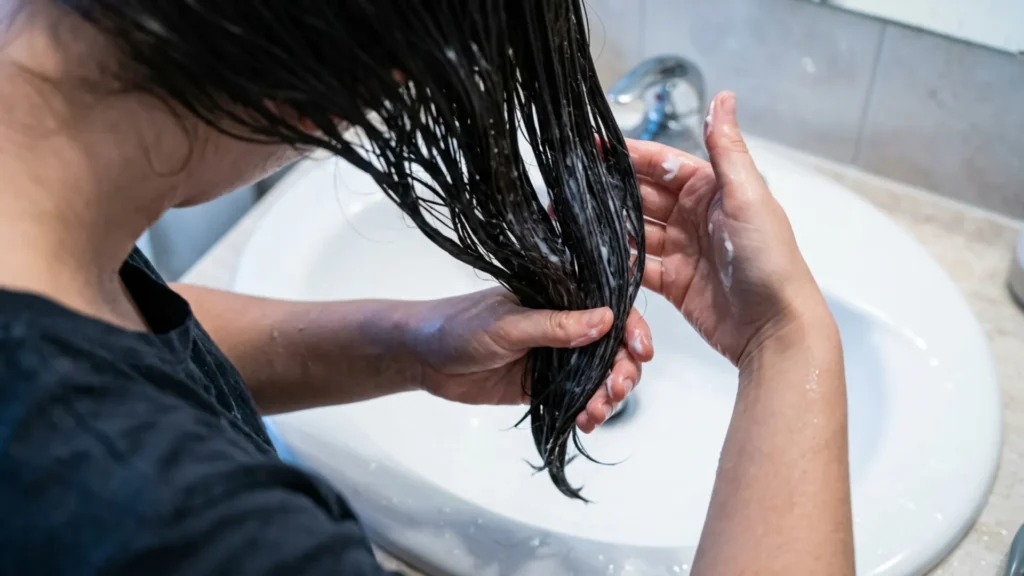
Wash day sets the tone for the rest of the week, and this is where most frizzy-hair routines go wrong before they even start. Hot water is the first culprit. It opens the cuticle further and strips natural oils, so even a good conditioner has to work overtime just to undo the damage from the water temperature.
Wash with lukewarm water, and finish with a cool rinse if you can stand it. It genuinely helps the cuticle close back down. Use a sulfate-free shampoo, but don’t skip clarifying entirely. Once a week or so, a proper clarifying wash removes product buildup that otherwise sits on the hair shaft and blocks moisture from getting in, which makes frizz worse over time, not better.
Condition every time, and if your frizz shows up right after drying, you’re probably under-conditioning. Leave conditioner on for two to three minutes instead of rinsing immediately. Detangle with a wide-tooth comb while the conditioner is still in, working from the ends up, never from the root down.
Also Visit : Hair Care Routine: Build One That Actually Sticks
Skip the cotton towel. Cotton fibers are rough enough to rough up the cuticle further, which is the opposite of what you want right after a wash. A microfiber towel or an old cotton t-shirt, used to scrunch and blot rather than rub, makes a noticeable difference by the time your hair is dry.
What You Do Between Washes Matters Just as Much

A good wash day gets undone fast if the days in between work against it. Friction is the biggest hidden cause of frizz that people never think about. Every time hair rubs against a rough surface, the cuticle lifts a little more.
Sleeping on a cotton pillowcase does this every single night. A satin or silk pillowcase reduces that friction significantly, and it’s one of the lowest-effort changes in this entire routine. Loosely braiding hair before bed, or wrapping it, does the same job if you don’t want to buy a new pillowcase yet.
Don’t brush dry hair unless you’re using a boar-bristle brush meant for smoothing, not detangling. A regular brush on dry, frizz-prone hair mostly just breaks the cuticle up further and creates more flyaways, not fewer. Save detangling for when hair is wet and coated in conditioner or a leave-in.
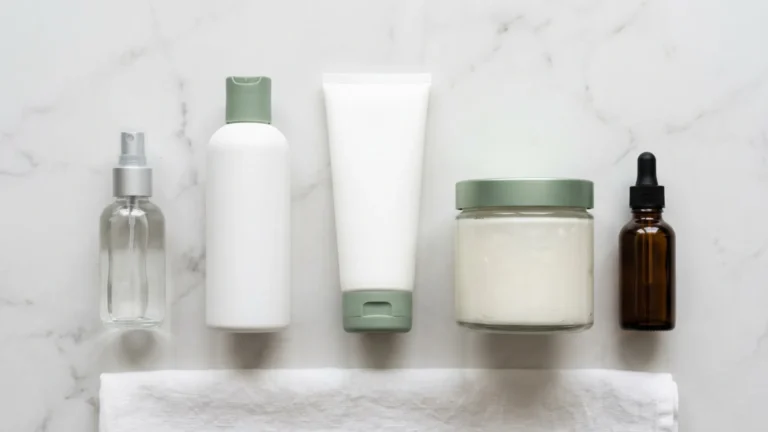
Between washes, a small amount of leave-in conditioner or a lightweight oil on the mid-lengths and ends keeps moisture locked in without weighing hair down at the roots. Argan oil and jojoba oil both work well because they’re light enough not to leave hair looking greasy by day two.
Building the Routine Around the Weather

Even a well-built routine has to flex with the season, because humidity behaves like its own separate cause of frizz. On dry winter days, hair loses moisture fast, so the focus shifts toward deep conditioning and sealing that moisture in with a cream or oil.
On humid days, the goal flips. You’re trying to keep excess moisture from the air out, not add more moisture in. An anti-humidity serum or a light silicone-based smoother creates a barrier that keeps hair from swelling and puffing. According to dermatologist-reviewed hair care guidance, protecting the hair shaft from environmental stress is one of the simplest ways to keep it looking healthier for longer, and that logic applies directly to humidity management.
If you travel somewhere with a very different climate than home, pack for that climate specifically. A humidity serum that does nothing at home can be the single most useful product in your bag somewhere tropical.
Also Visit : Hair Care Routine for Hair Growth: Build It Right
When Frizz Won’t Budge, Something Else Is Going On
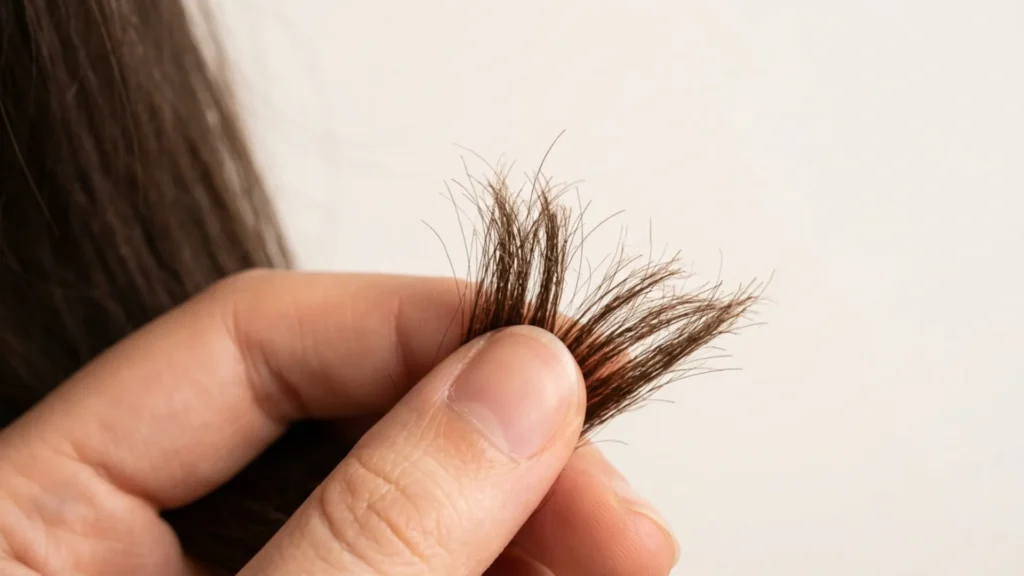
Sometimes the routine is right and the frizz still doesn’t improve. That usually means the hair itself needs repair before a routine can fully work. Heat damage and chemical processing, like color or relaxers, physically roughen the cuticle. No amount of leave-in conditioner smooths hair that’s structurally damaged at the surface.
In that case, a protein treatment every few weeks, alternated with regular deep conditioning, helps rebuild what heat and chemicals have worn down. Protein alone can make hair feel stiff and brittle if it’s overused, so balance matters more than frequency.
A trim also does more than people expect. Split ends don’t just look rough, they actively fray upward if left alone, which spreads the frizz higher up the strand over time. Cutting them off before that happens keeps the rest of the routine from working against a losing battle.
Also Visit : How to Pick Hair Care Routine Products What You Actually Need
Key Takeaways
- Frizz has different causes: dryness, humidity, damage, or under-conditioning, and your routine needs to match the actual cause
- Lukewarm water, a proper leave-in conditioner, and a microfiber towel do more for wash day than most serums
- Friction from cotton pillowcases and dry brushing quietly undoes progress between washes
- Humidity needs a different approach than dryness: sealing moisture in versus keeping it out
- Structural damage needs repair, not just moisture, before a routine can fully control frizz
Frequently Asked Questions
Why is my hair frizzy even after conditioner?
Usually the conditioner isn’t heavy enough for your hair’s needs, or it’s being rinsed out too fast to actually coat the strand. Leaving it on for a couple of minutes longer, or switching to a richer formula, often solves this.
Do I need to change my routine for different weather?
Yes. Dry air calls for extra moisture and sealing products. Humid air calls for a barrier product like an anti-humidity serum, since the goal there is keeping moisture out, not adding more in.
Can healthy hair still frizz?
Yes, especially in humidity. Frizz isn’t always a sign of damage. Fine or wavy hair can frizz simply because it’s more reactive to moisture in the air, even when it’s otherwise in good condition.
How long does it take to see less frizz with a new routine?
Most people notice a difference within two to three washes, since a lot of frizz reduction comes from technique changes like water temperature and towel choice, which work immediately. Structural repair, from damage, takes longer, usually a few weeks of consistent treatment.
Should I use a silicone-based product for frizz?
Silicones can smooth the cuticle and block humidity well, but they build up over time. Using them alongside a weekly clarifying wash keeps the benefit without the buildup.
This article is for general information only and isn’t medical advice. If frizz comes with unusual scalp irritation, sudden hair changes, or persistent breakage, see a dermatologist or trichologist.
Written by Anna Anderson for Trend Cottage.