Tips for Shiny Healthy Natural Hair That Really Work
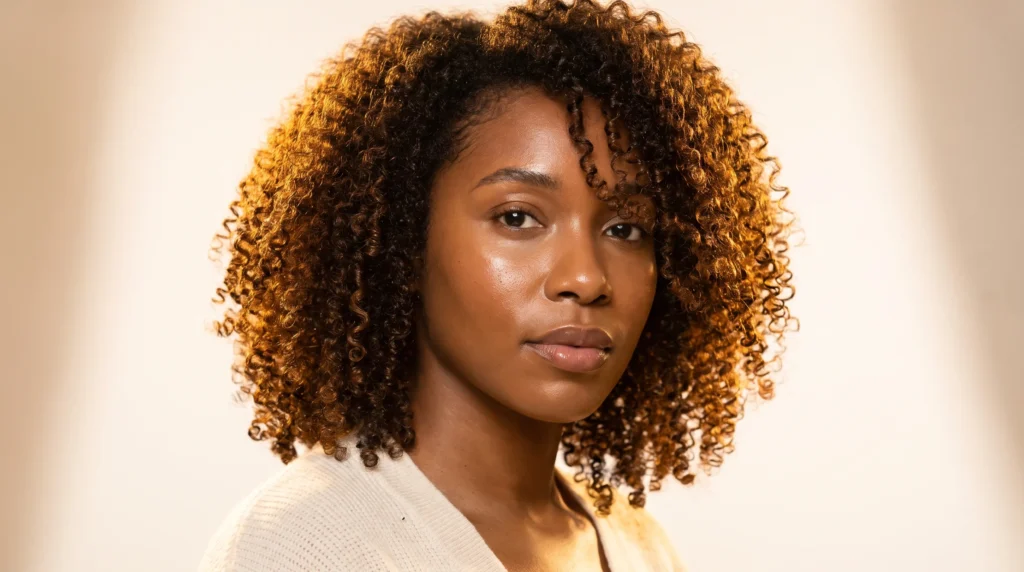
If your natural hair looks dull, dry, or lifeless no matter what you try, you are not alone — and it is not a problem with your hair type. Dull hair is a fixable problem that comes down to a few specific factors, and the right tips for shiny healthy natural hair address all of them. The shine you see on healthy natural hair is not a product trick. It is a reflection of how well the hair cuticle is sealed, how moisturized the hair shaft is, and how much light the surface is able to bounce back.
This guide goes beyond the surface level. Every tip here comes with a real explanation for why it works — so you understand what you are doing and can apply it consistently. These are the tips for shiny healthy natural hair that actually produce results, not just for a day, but for weeks at a time.
Why Natural Hair Looks Dull — The Science You Need to Know
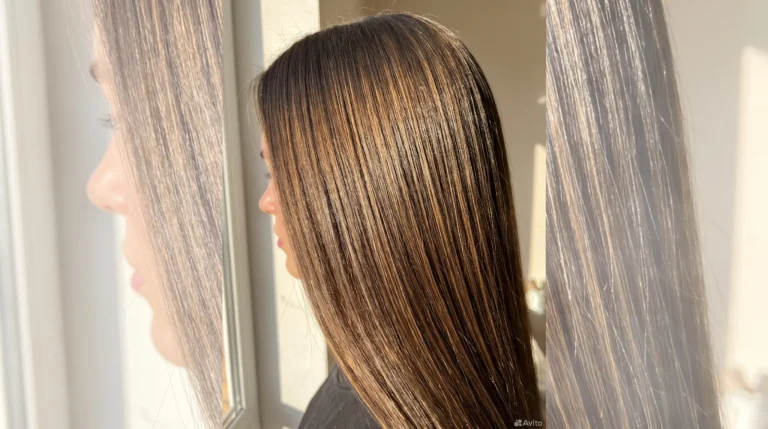
Before applying any tip, it helps to understand the actual reason natural hair struggles with shine more than other hair types. Every strand of hair is covered in tiny overlapping scales called the cuticle. When these scales lie flat and smooth, they reflect light evenly — which is what creates the glossy shine you see on healthy hair. When the cuticle scales are raised, damaged, or rough, light scatters in all directions instead of reflecting back, which is what creates the dull, matte appearance.
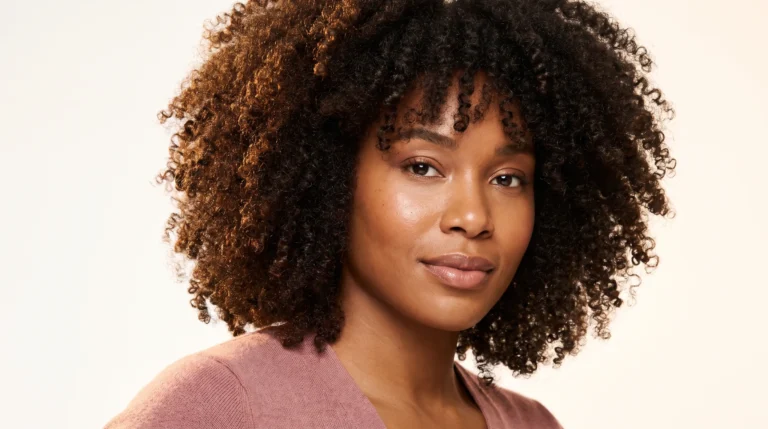
Natural hair, particularly type 3 and type 4 hair, has a coiled structure that naturally prevents the cuticle from lying completely flat. This is why natural hair tends toward a more matte finish than straight hair — not because it is unhealthy, but because of its structure. The goal of these tips is to help the cuticle lay as flat as possible through moisture, pH balance, and the right finishing techniques — maximizing the natural reflectivity of your hair.
Product buildup is another major cause of dull natural hair. Layers of styling products, oils, and conditioners accumulate on the hair shaft over time, creating a film that blocks the cuticle from reflecting any light at all. Regular clarifying removes this layer and immediately restores shine.
The Cold Water Rinse — Fastest Shine Tip That Costs Nothing
The single fastest and most free tip for shiny healthy natural hair is finishing every wash with a cold water rinse. When you wash your hair with warm or hot water, the heat opens the hair cuticle to allow cleaning and conditioning products to penetrate. The problem is that if you step out of the shower with warm water as your final rinse, the cuticle stays partially open — meaning the surface stays rough and scatters light instead of reflecting it.
Rinsing with cold water for the final 30 to 60 seconds of your wash immediately causes the cuticle to contract and lie flat. Flat cuticle equals smooth surface equals more light reflection equals noticeably shinier hair. This one habit, done consistently every wash day, makes a visible difference.
How to do it: After rinsing out your conditioner with cool-to-warm water, turn the temperature to as cold as you can tolerate for a final 30 to 60 seconds. Focus the water directly on your hair and scalp. Pat dry gently with a microfiber towel immediately after — never rub.
Apple Cider Vinegar Rinse — Restores pH and Adds Instant Gloss
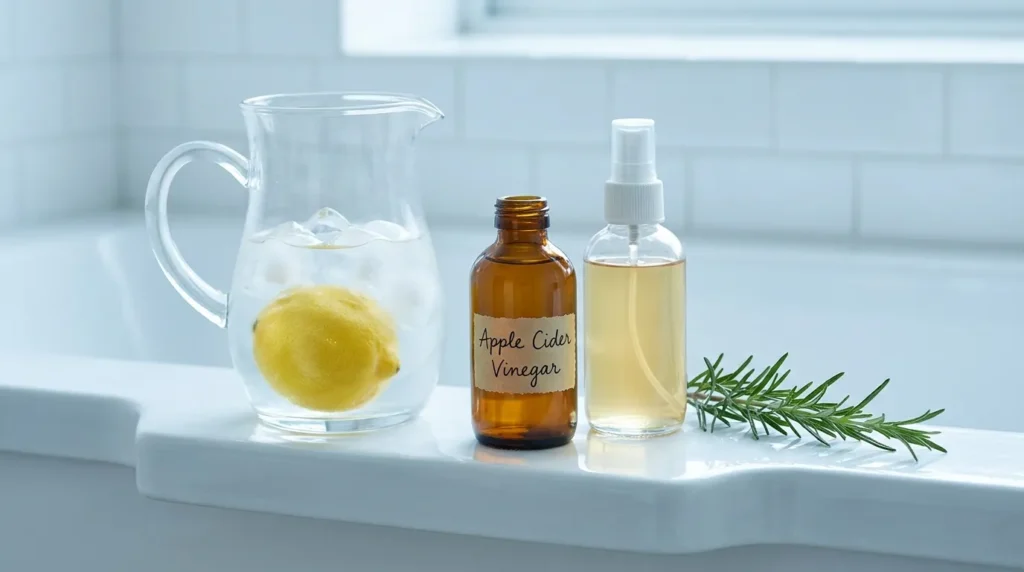
Apple cider vinegar (ACV) works as a shine treatment because of pH science. The hair and scalp have a naturally slightly acidic pH of around 4.5 to 5.5. Most shampoos, conditioners, and even tap water in many areas are more alkaline, which raises the hair’s pH and causes the cuticle to swell open. Over time, this leads to rough, frizzy, dull-looking hair even after washing.
Apple cider vinegar has a pH of around 3, which is acidic enough to bring the hair’s pH back down to its natural range, causing the cuticle to close and lie flat. The result is immediately smoother, shinier hair with significantly less frizz. It also removes the mineral deposits that hard water leaves on the hair shaft — another common cause of dullness.
How to make and use an ACV rinse for shine:
- Mix 2 tablespoons of raw unfiltered apple cider vinegar with 1 cup of water. For sensitive scalps, dilute further to 1 tablespoon per cup of water.
- After shampooing and conditioning, pour or spray the diluted ACV mixture evenly through your hair and onto your scalp.
- Let it sit for two to three minutes — do not rinse off immediately.
- Rinse with cool water. Follow with your cold water final rinse for maximum cuticle closure and shine.
Frequency: Once every two weeks. Overuse can dry out the scalp and hair, so use it as a periodic treatment rather than a weekly habit.
Deep Conditioning — The Foundation of Lasting Shine
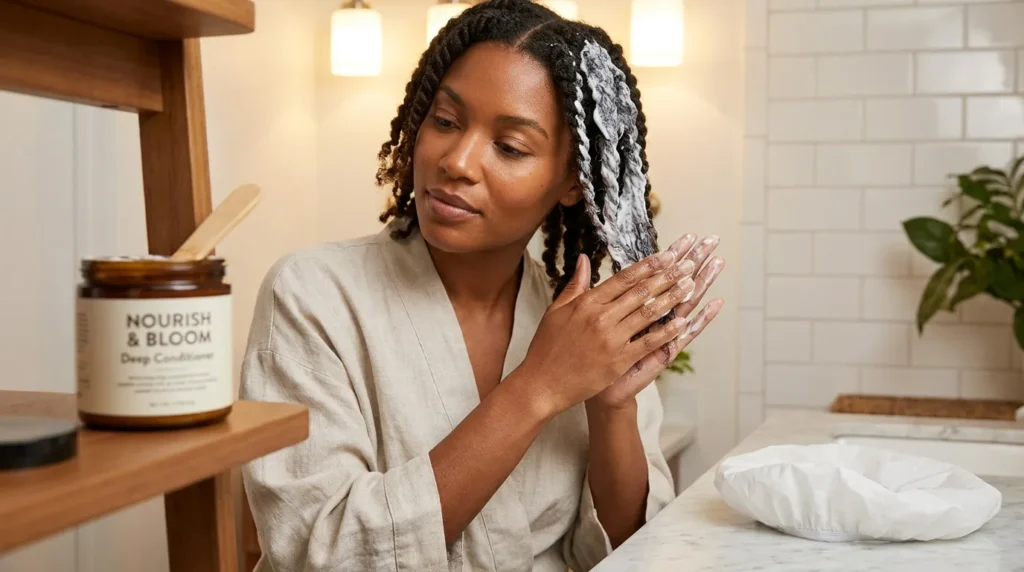
Shiny hair is moisturized hair. Dry hair, by definition, looks dull — because a dehydrated hair shaft has a rough, irregular surface that scatters light. Deep conditioning is what restores internal moisture to the hair shaft, smooths the cuticle from inside, and gives hair the hydration it needs to reflect light properly.
This is one of the most important tips for shiny healthy natural hair because it addresses the root cause of dullness rather than just coating the surface. A good deep conditioner penetrates the hair cortex and deposits conditioning agents that stay in the hair long after rinsing, keeping it soft, smooth, and light-reflective for days.
How to deep condition for maximum shine:
- After shampooing, apply a generous amount of deep conditioner from root to tip, making sure every strand is coated.
- Put on a plastic shower cap to create heat, which opens the cuticle and allows deeper product penetration.
- For even better results, sit under a hooded dryer or use a heated conditioning cap for 20 to 30 minutes. Heat dramatically improves how deeply the conditioner absorbs.
- Rinse with cool water — never hot — to close the cuticle and lock in the treatment. Finish with your cold water final rinse.
What to look for in a shine-boosting deep conditioner: Choose products that contain hydrolyzed proteins, glycerin, aloe vera, or panthenol. Glycerin is a humectant that draws moisture from the air into the hair shaft. Panthenol (provitamin B5) coats the cuticle and adds a natural luminosity. Avoid heavy silicones that are not water-soluble — they build up over time and block shine rather than create it.
Frequency: Every wash day — this is non-negotiable for consistently shiny natural hair.
The Right Oils for Shine — What Works and What Weighs Hair Down
Not all oils create shine on natural hair — and using the wrong oil, or too much of it, actually makes hair look greasy and dull. The key is understanding which oils create a true light-reflecting finish and which ones simply coat the hair with a heavy layer.
Best oils for natural hair shine:
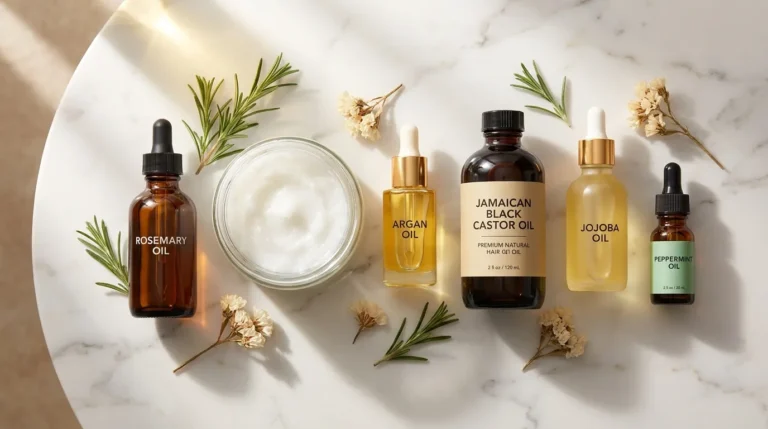
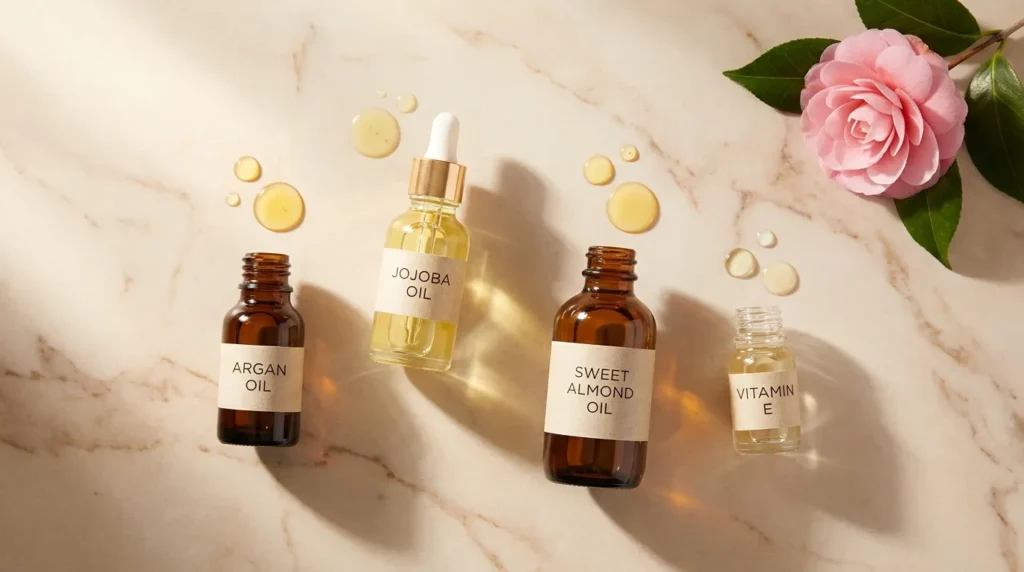
- Argan oil: The gold standard for hair shine. It is lightweight, absorbs quickly, and creates a long-lasting glossy finish without greasiness. Apply one to two drops warmed between your palms, then smooth over the top layer of your hair after styling. A little goes an extremely long way.
- Jojoba oil: Its molecular structure closely resembles the scalp’s natural sebum, which means it absorbs beautifully without leaving residue. It seals the cuticle and adds a natural, healthy-looking shine. Best used as part of your LOC method after washing.
- Sweet almond oil: Rich in vitamin E, which is a natural antioxidant that protects the hair’s outer layer and gives it a smooth, reflective surface. Lightweight enough for daily use on most hair types.
- Camellia (tea seed) oil: Used for centuries in Japanese hair care for its exceptional shine properties. Very light, absorbs without trace, and leaves a beautiful natural gloss.
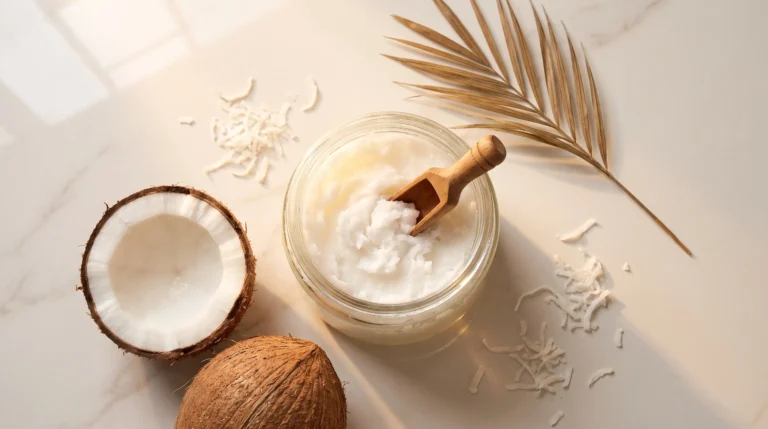
Oils to avoid for shine: Coconut oil, castor oil, and shea butter are excellent for moisture and strength but are too heavy for use as finishing oils. Applied to dry styled hair, they create buildup and dullness over time. Use these in your pre-wash or deep conditioning routine, not as finishers.
How to apply shine oil correctly: Warm two to three drops between your palms. Press your palms together and then lightly smooth over your hair starting from the mid-lengths to the ends. Avoid applying directly to the scalp or the roots — this causes buildup and greasiness at the crown.
Clarifying Wash — Remove the Buildup Stealing Your Shine
One of the most overlooked tips for shiny healthy natural hair is the clarifying wash. Most people wash with the same moisturizing or sulfate-free shampoo every week, which is great for moisture retention — but over time, these gentle shampoos do not fully remove the accumulation of styling products, oils, silicones, and mineral deposits from hard water that build up on the hair shaft.
This buildup creates a dull, grayish film on the hair that no amount of shine oil can cut through. A clarifying shampoo, used once a month, strips the hair down to its clean base — and the shine that comes through immediately after a clarifying wash is dramatic and instant.
How to clarify without damaging your hair:
- Use a clarifying shampoo no more than once a month — or once every six weeks if your hair is particularly dry or color-treated.
- Apply directly to your scalp and massage well. Allow the suds to rinse down the length of your hair rather than scrubbing the strands themselves.
- Always follow a clarifying wash with a deep conditioner — clarifying opens the cuticle aggressively and removes moisture along with buildup. Deep conditioning immediately restores what was stripped.
- Finish with your ACV rinse and cold water final rinse for maximum shine restoration.
After a proper clarifying wash followed by deep conditioning and a cold rinse, you will see a level of shine from your natural hair that no styling product alone can produce.
Microfiber Towel Drying — Protect the Shine You Just Created
Everything you did in the shower to create shiny hair can be undone in 30 seconds by drying it with the wrong towel. Regular cotton bath towels have a rough fiber structure that creates intense friction against the hair cuticle when rubbed. This friction lifts the cuticle scales — reversing the effect of your cold rinse and ACV treatment — and causes frizz and breakage that instantly kills shine.
Microfiber towels have a much finer fiber structure that absorbs water from the hair without creating friction. They absorb moisture faster, cause less mechanical damage, and leave the cuticle significantly smoother after drying.
How to dry natural hair for maximum shine retention:
- After your final cold water rinse, gently squeeze excess water from your hair using your hands — do not wring or twist.
- Place your microfiber towel on a flat surface, lean your head down over it, and gather your hair into the towel.
- Press and scrunch the towel against your hair gently — do not rub or move the towel back and forth across your hair.
- Wrap the towel in a turban style and leave for 10 to 15 minutes to absorb moisture passively.
- Apply your leave-in and styling products to damp (not soaking wet) hair immediately after removing the towel.
An old cotton T-shirt works as a budget alternative if you do not have a microfiber towel — the smooth cotton weave causes far less friction than a terry cloth bath towel.
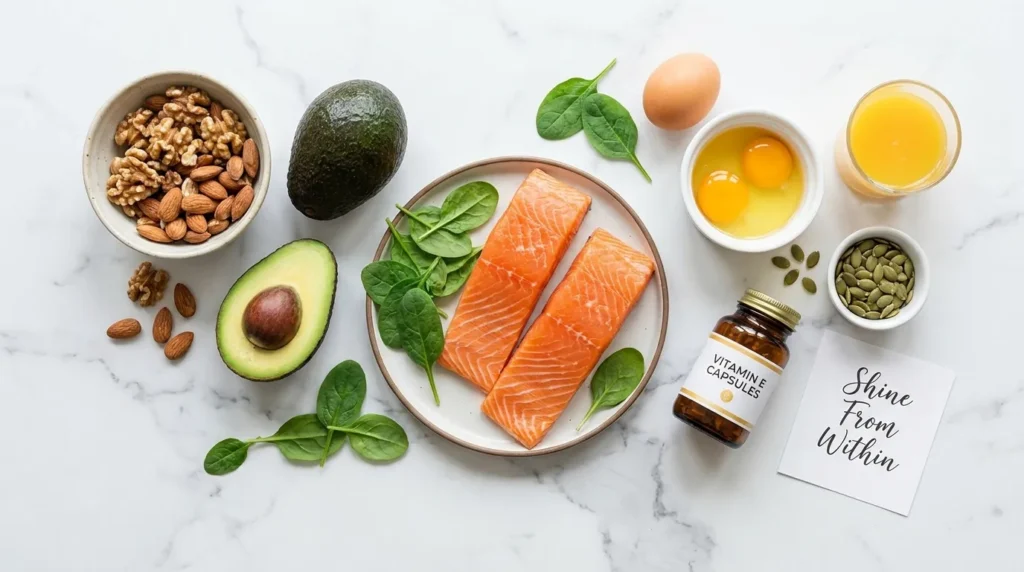
Eat for Shine — The Nutrients That Make Hair Glow From Inside

The most beautiful tips for shiny healthy natural hair cannot fully work if the hair being produced by your follicles is nutritionally starved. Hair shine is partly a reflection of internal health — the nutrients available to the follicle when each strand is produced determine how smooth, strong, and light-reflective it will be from its very first day of growth.
Key nutrients for naturally shiny hair:
- Omega-3 fatty acids: These healthy fats are incorporated directly into the hair shaft and create a naturally lustrous, smooth texture from the inside out. They also hydrate the scalp, reducing the dry, flaky buildup that causes dullness. Sources: salmon, sardines, walnuts, chia seeds, flaxseeds.
- Vitamin E: A powerful antioxidant that protects the hair’s outer cuticle layer from oxidative damage caused by sun exposure, pollution, and heat styling. Damaged cuticles do not reflect light. Vitamin E preserves the cuticle’s reflective surface. Sources: almonds, sunflower seeds, avocado, spinach.
- Biotin (Vitamin B7): Supports the production of keratin — the protein hair is made of. Stronger keratin structure produces hair with a smoother, more uniform surface that reflects more light. Sources: eggs, sweet potatoes, nuts, whole grains.
- Vitamin C: Essential for collagen production, which gives the hair shaft its structural integrity. It also improves iron absorption — and iron deficiency is a common cause of dull, limp hair. Sources: citrus fruits, bell peppers, strawberries, kiwi.
- Silica: Strengthens the hair shaft wall and improves elasticity. Silica-deficient hair is weak, thin, and unable to reflect light well. Sources: oats, bananas, green beans, cucumbers.
Drink at least 8 glasses of water daily. Dehydration shows up in hair as dryness and dullness faster than almost any other external symptom. Consistent hydration is the most accessible shine tip there is.
What Is Killing Your Hair’s Shine — Stop These Habits
You can follow every tip above perfectly and still have dull hair if these habits continue. These are the most common shine-killers for natural hair:
- Hot water washing: Hot water aggressively opens the cuticle and strips natural oils. If you wash with hot water and rinse with hot water, no amount of conditioning will fully restore the shine. Switch to warm for washing and cold for your final rinse.
- Rubbing hair dry with a cotton towel: As discussed above, this single habit destroys the cuticle smoothness you worked to create. Stop this immediately.
- Too many products layered without clarifying: Buildup from butters, creams, oils, and gels accumulates and blocks shine. Clarify once a month.
- Heat styling without protectant: Repeated high heat fuses and cracks the cuticle permanently. Damaged cuticles cannot be repaired — only grown out. Always use heat protectant and keep temperatures under 350°F.
- Sleeping on cotton pillowcases: Nightly friction from cotton roughens the cuticle and causes moisture loss, both of which dull the hair by morning. Switch to satin tonight.
- Overwashing: Washing more than once a week strips the natural oils (sebum) that coat the hair shaft and give it its natural baseline shine. Extend wash days to every 7 to 14 days.
- Skipping deep conditioning: Dry hair is dull hair. If you shampoo without deep conditioning, you are removing moisture without replacing it. Always deep condition after every shampoo session.
Frequently Asked Questions
Why is my natural hair dull even when it is moisturized?
If your hair feels moisturized but still looks dull, the most likely cause is product buildup blocking the cuticle’s ability to reflect light. Do a clarifying wash followed by a deep condition and ACV rinse on your next wash day. The difference in shine is usually immediate and dramatic. Another cause is using heavy oils like coconut or castor oil as finishing products — switch to argan or jojoba for your styling finish.
Does the type of water I use affect hair shine?
Yes, significantly. Hard water — which contains high levels of calcium and magnesium — leaves mineral deposits on the hair shaft that create a dull, cloudy film. If you live in a hard water area and struggle with persistent dullness despite a good routine, an ACV rinse after every wash or a shower filter that removes minerals can make a noticeable difference.
How often should I apply oil to my natural hair for shine?
For shine, apply a lightweight oil like argan or jojoba after every wash day as a finishing step. For mid-week refreshes, a small amount can be applied to the hands and smoothed over the surface of the hair. Avoid applying oil daily to the scalp — this leads to buildup that dulls rather than shines. Focus oil application on the mid-lengths and ends.
Can I get shiny natural hair without heat?
Absolutely. In fact, avoiding heat is one of the best things you can do for long-term hair shine. Heat damages the cuticle over time, making it progressively harder to achieve shine. Cold water rinses, ACV treatments, shine oils, and deep conditioning produce genuine, lasting shine without any heat styling.
How long does it take to see shiny hair results with these tips?
Some tips — the cold water rinse, ACV rinse, and microfiber towel — produce visible shine improvements from the very first use. Deep conditioning improvements are noticeable within the first two to three wash days. Dietary changes take longer — typically four to six weeks before internal nutritional improvements begin to show in the hair. A full clarifying wash followed by deep conditioning produces dramatic same-day results that surprise most people.
Consistent Care Creates Consistently Shiny Hair
The tips for shiny healthy natural hair that work are not complicated — but they do require consistency. Shiny hair is not a one-day result. It is the outcome of a routine that you repeat every wash day: cold water final rinse, deep condition, right finishing oil, microfiber drying, and satin protection at night.
Pick two or three of these tips and start this wash day. Add more as they become habit. Within four to six weeks of consistent practice, you will see a level of shine in your natural hair that you may not have seen before — not because of a special product, but because you understood what your hair actually needed.
Also Visit : Make Hair Thick and Strong From Roots Naturally at Home