Abyssinian Oil Benefits and Uses for Hair
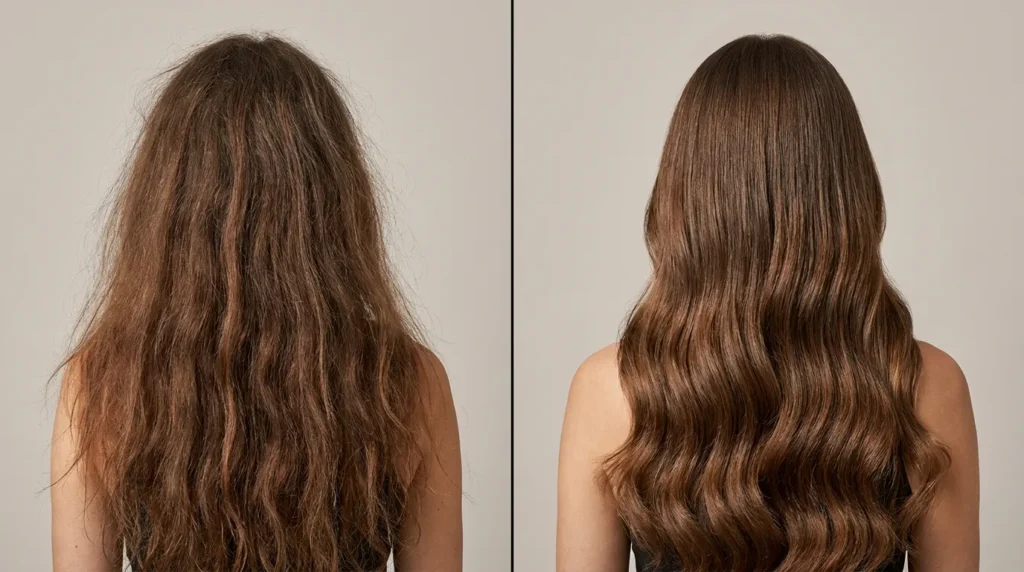
If you have been reading ingredient labels lately, you have probably seen crambe abyssinica seed oil turning up in serums, leave-ins and shine sprays. This guide covers the real abyssinian oil benefits and uses, what the oil actually does to a hair strand, and how to use it without ending up with a greasy head.
Short answer first. Abyssinian oil is a lightweight, almost odourless seed oil that coats the hair rather than soaking into it. That coating smooths the cuticle, adds shine, cuts frizz, seals moisture in and gives a slippery, silicone-like feel without silicone. It suits fine hair and low porosity hair unusually well, because it delivers slip without weight.
Here is everything else worth knowing.
What Is Abyssinian Oil?
Abyssinian oil is pressed from the seeds of Crambe abyssinica, a flowering plant in the mustard and cabbage family. On ingredient labels it appears under its INCI name, crambe abyssinica seed oil. Some brands call it crambe oil or abyssinian seed oil. All three are the same thing.
The plant is native to the Ethiopian highlands in East Africa, which is where the older name Abyssinia comes from. Today it is grown commercially in parts of Europe and North America as a hardy oilseed crop. It handles poor soil and dry seasons well, which is part of why it has become popular with brands looking for sustainable ingredients.
The seeds are usually cold-pressed. What comes out is a pale yellow liquid with almost no smell, thin enough to spread easily but with a distinctly silky, cushioned feel on the fingers.
One quick correction, since it gets repeated a lot online: the oil comes from the seeds, not the flowers. Small detail, but worth getting right.
What Is Actually Inside It
The reason this oil behaves differently from argan or coconut oil comes down to one unusual fatty acid.
| Fatty Acid | Roughly How Much | What It Does |
|---|---|---|
| Erucic acid (omega-9, C22) | 55-62% | Smooths and seals the cuticle, creates the silky slip, resists oxidation |
| Oleic acid (omega-9) | 15-18% | Softens and conditions |
| Linoleic acid (omega-6) | 8-10% | Supports the scalp barrier, feels light |
| Linolenic acid (omega-3) | 6-7% | Soothes, helps calm irritation |
No other common plant oil is this rich in erucic acid. That single fact explains most of what abyssinian oil does.
Alongside the fatty acids, the oil carries vitamin E and other antioxidants, plus small amounts of vitamins A and several B vitamins. The vitamin E matters practically, not just on a label, because it is part of why the oil stays fresh for so long without going rancid.
Why the C22 molecule changes everything
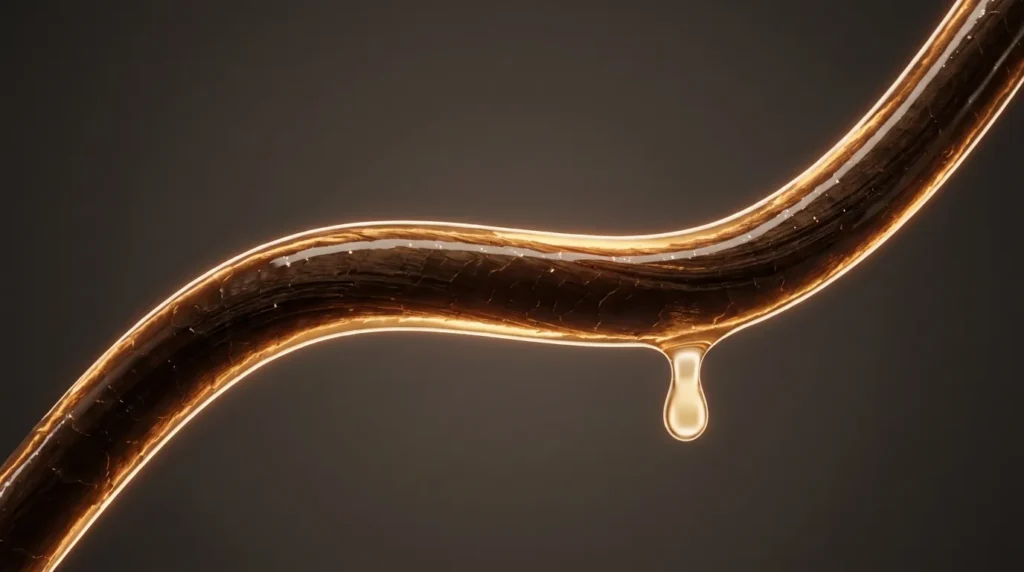
Erucic acid is a long-chain fatty acid, 22 carbons long. That is unusually large. Coconut oil, by comparison, is built mostly from much shorter chains, which is why coconut oil can slip inside the hair shaft.
Abyssinian oil cannot. The molecules are simply too big to pass through the cuticle. Instead they lie across the surface and link into a thin, flexible film around each strand.
That is not a weakness. It is the entire point. A film on the outside is exactly what you want when the goal is shine, slip, frizz control and moisture retention. It is also why the oil is often described as a natural alternative to silicone, since it produces a similar smooth, cushioned finish while being plant-derived and water-rinsable with normal shampoo.
So think of abyssinian oil as a finishing and sealing oil, not a penetrating treatment oil. Using it for the wrong job is the most common mistake people make with it.
10 Abyssinian Oil Benefits for Hair and Skin
Most of the useful abyssinian oil benefits and uses fall into a handful of clear categories. Here they are, with what to realistically expect.
1. Instant shine without grease
The cuticle is made of overlapping scales. When they lie flat, light reflects evenly and hair looks glossy. When they stick up, light scatters and hair looks dull. Abyssinian oil flattens those scales on contact, which is why the shine shows up within seconds rather than after weeks of use.
2. Real frizz control
Frizz mostly happens when a raised cuticle lets humidity in unevenly. Sealing the surface reduces that. On a humid day, a few drops through the mid-lengths noticeably calms the halo effect around curls and waves.
3. It seals moisture in
Water is what actually moisturises hair. Oils keep that water from evaporating. Because abyssinian oil forms a continuous film, it is genuinely good at this job, which makes it a strong choice as the sealing step after a leave-in conditioner.
4. Serious slip for detangling
The silky texture reduces friction between strands. Worked through wet, conditioner-coated hair, it makes combs and fingers glide instead of catching, which means fewer snapped strands on wash day.
5. Heat protection support
Abyssinian oil is unusually stable against heat because of its high monounsaturated content. That stability makes it a reasonable buffer before blow-drying on a warm setting. To be clear, it is not a substitute for a formulated heat protectant when you are flat ironing at high temperatures. Use it alongside one, not instead of it.
6. Fewer split ends over time
Nothing repairs a split once it happens. What a good sealing oil does is reduce the friction and dryness that cause splits in the first place. Applied consistently to the ends, it slows the rate at which new ones appear.
7. Light enough for fine hair
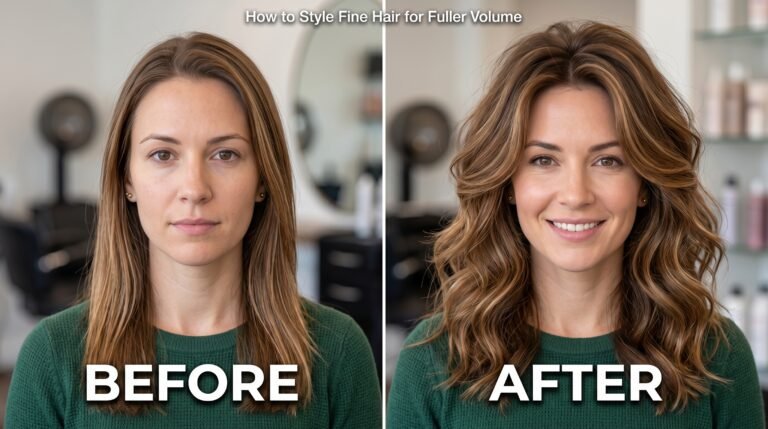
This is the standout feature. Most oils that give this much shine also flatten fine hair. Abyssinian oil absorbs quickly at the surface and leaves no tacky residue, so fine and thin hair can actually use it. Very few oils manage this.
8. Colour and UV support
A sealed cuticle holds colour molecules better and loses less pigment during washing. The antioxidant content also offers some defence against environmental oxidative stress. It will not replace a UV-protectant product, but it helps.
9. Comfortable on the scalp
The oil is light, non-greasy and generally well tolerated, so a small amount massaged into the scalp does not clog things up the way heavier butters can. Some people find it helps with dryness and tightness after washing.
10. Non-comedogenic on skin
Beyond hair, abyssinian oil is widely used in facial oils and serums because it is lightweight, absorbs cleanly and does not tend to clog pores. It suits most skin types including oily and acne-prone skin, though as with anything new, patch test first.
How to Use Abyssinian Oil: 8 Practical Methods

This is where the original advice online tends to run out. Here are eight ways to actually work it into a routine.
1. As a finishing shine serum
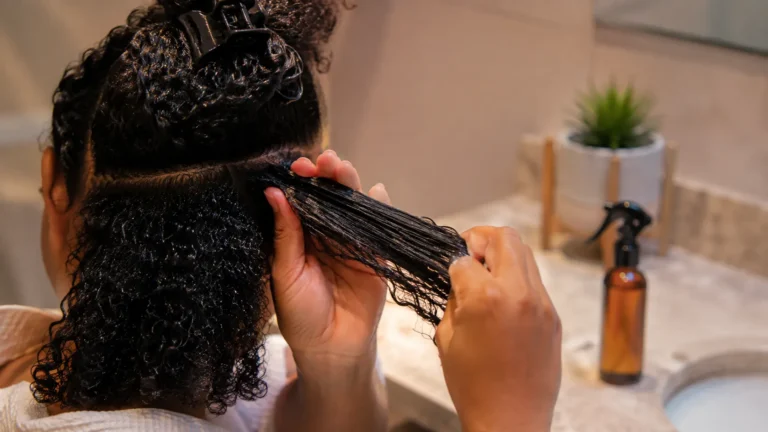
Warm one to three drops between your palms and smooth over dry, styled hair, focusing on the mid-lengths and ends. Skip the roots. Do this last, after everything else. Start with fewer drops than you think you need.
2. As the sealing step in the LOC method
Apply your leave-in to soaking wet hair first, then a few drops of abyssinian oil over the top, section by section. Because it seals so well, it locks in the water while it is still there. This is arguably its single best use on textured hair.
3. As a detangling aid
Mix a teaspoon into a palmful of your rinse-out conditioner before applying. The added slip makes wide-tooth combing considerably easier, especially on tangle-prone hair.
4. As a pre-shampoo treatment
Massage the oil through dry hair 20 to 30 minutes before washing. It cushions the strands so shampoo does not strip them bare. Two tablespoons is plenty for shoulder-length hair.
5. Before blow-drying
Apply a small amount to damp hair before heat styling on a medium setting. Do not overload, since too much oil plus heat equals limp, greasy hair.
6. As a scalp oil
Warm a teaspoon slightly, part your hair into sections, and massage a few drops directly onto the scalp with your fingertips. Leave for 30 minutes or overnight, then shampoo out. Once or twice a week is enough.
7. Boosting your deep conditioner
Add half a teaspoon per application to your deep conditioner. It improves the slip and leaves the hair softer once rinsed.
8. Anti-breakage blend
Combine two tablespoons abyssinian oil with two tablespoons argan oil and about five drops of vitamin E oil. Store in a dark glass dropper bottle. Use two to four drops on the ends daily, or the whole blend as a weekly pre-poo. The pairing works because abyssinian seals the outside while argan does more of the conditioning.
How Much to Use for Your Hair Type
Overuse is the number one complaint people have with any oil. These amounts are a starting point.
| Hair Type | Amount Per Use | How Often |
|---|---|---|
| Fine or thin | 1-2 drops, ends only | 2-3 times a week |
| Medium or wavy | 3-4 drops | Every other day |
| Thick or curly (type 3) | 5-8 drops | Daily or as needed |
| Coily (type 4) | A dime-sized pool, in sections | Daily on ends, sealing on wash day |
| Low porosity | Small amount on damp hair only | 2-3 times a week, clarify monthly |
| High porosity | Generous, layered over cream | Daily |
The universal rule with this oil: apply to damp hair rather than bone-dry hair whenever possible. Sealing works best when there is water underneath to seal in.
Abyssinian Oil vs Argan, Jojoba and Coconut Oil
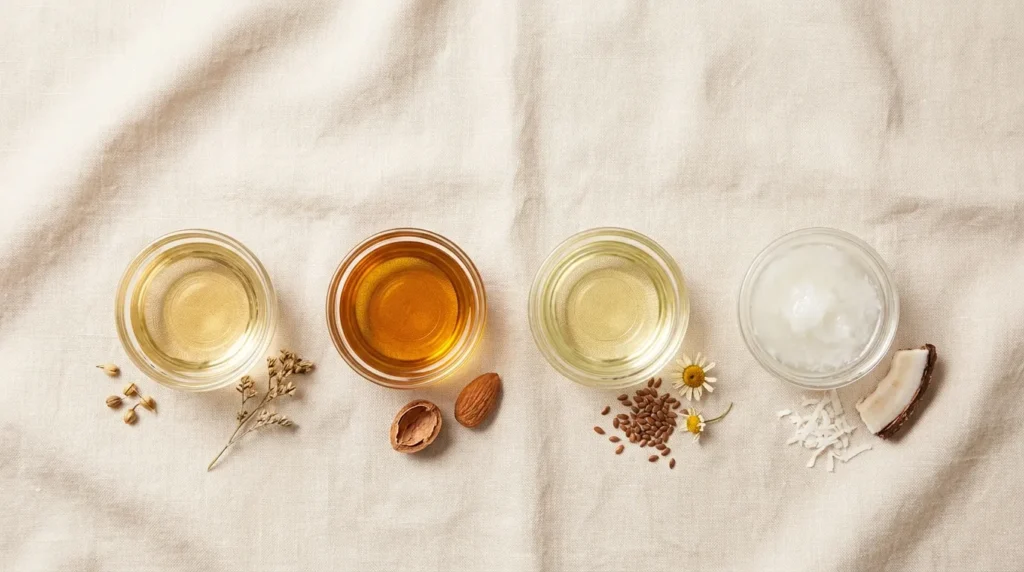
People constantly compare these four. They do genuinely different jobs.
| Oil | Penetrates Hair? | Weight | Best For |
|---|---|---|---|
| Abyssinian | No, coats the surface | Very light, silky | Shine, slip, sealing, frizz, fine hair |
| Argan | Partly | Light to medium | General conditioning, softness |
| Jojoba | Mostly surface | Light | Scalp care, closest to natural sebum |
| Coconut | Yes, deeply | Heavy | Reducing protein loss, pre-poo on thick hair |
The short version: coconut oil goes inside, abyssinian oil stays outside. Neither is better. They solve different problems, and plenty of people use coconut as a pre-poo and abyssinian as a finisher in the same routine.
Against argan specifically, abyssinian usually wins on shine, slip and lightness. Argan usually wins on softening. If your hair looks dull, reach for abyssinian. If it feels rough, reach for argan.
Who Should Use It, and Who Should Skip It
It works especially well if you have: fine or thin hair that most oils flatten, low porosity hair that rejects heavy products, colour-treated hair, frizz-prone waves or curls, hair that tangles badly, or if you are trying to cut silicones out of your routine.
It may not be your best pick if: your hair is severely damaged and needs internal repair rather than surface sealing, in which case a protein treatment or coconut oil pre-poo will do more. It is also not the right tool if you are looking for a heavy butter to hold a style, since it has no hold at all.
And if you have an allergy to plants in the mustard or cabbage family, be cautious. Crambe belongs to the same family, so patch test carefully before applying it widely.
Safety and What to Know Before Buying
Topically, abyssinian oil has a good safety record and is regarded as safe and non-irritating in cosmetic use. It is non-comedogenic and generally well tolerated even on sensitive skin.
One important point that rarely gets mentioned: because of its high erucic acid content, this oil is not food grade and should not be swallowed. Erucic acid in large dietary amounts is a genuine concern, which is why crambe is grown as an industrial and cosmetic crop rather than a cooking oil. Keep it out of reach of children and do not add it to food, no matter what a wellness video suggests.
Always patch test a new oil on the inner forearm and wait 24 hours before using it on your scalp.
What to look for on the bottle
- INCI name should read crambe abyssinica seed oil, ideally as the only ingredient if you are buying pure oil.
- Cold-pressed is preferable to solvent-extracted for a pure oil.
- Dark glass packaging with a dropper. Clear plastic lets light degrade the oil faster.
- Colour and smell should be pale yellow and nearly odourless. A strong bitter or rancid smell means the bottle is old.
- Shelf life is long compared to most seed oils, typically around 18 to 24 months unopened, thanks to its oxidative stability. Store it away from direct sunlight and heat.
You will also find it as an ingredient partway down the list in commercial serums and leave-ins. That is perfectly fine, and often cheaper. Just check it is high enough in the list to actually be doing something.
5 Mistakes to Avoid
- Using too much. This oil is potent. Three drops that look like nothing will coat more hair than you expect. Build up gradually.
- Applying to completely dry hair and expecting hydration. There is no water underneath to seal. You will get shine, but not moisture.
- Putting it on the roots. Mid-lengths and ends only, unless you are deliberately doing a scalp treatment before washing.
- Treating it as a full heat protectant. It helps at moderate temperatures. It is not enough on its own for flat irons.
- Never clarifying. Any sealing oil can build up over weeks, particularly on low porosity hair. A clarifying wash once a month keeps things working.
What Has Changed in 2026
Abyssinian oil has quietly moved from a niche formulator’s ingredient to something you can find on a drugstore shelf. A few shifts are worth noting.
The silicone-free movement pushed it mainstream. As more brands moved away from dimethicone, they needed something that delivered the same silky finish. Crambe oil turned out to be one of the best natural stand-ins available, and demand has grown accordingly.
Skincare adopted it too. The oil now appears in a lot of facial serums and barrier-repair products, which has raised its profile well beyond the hair aisle.
Sustainability became a selling point. The plant grows in poor soil with modest water needs and does not compete with food crops, which fits how brands are being asked to source ingredients now.
Blends replaced single oils. Most new products pair abyssinian with a penetrating oil like coconut or avocado, so you get sealing and internal conditioning in one bottle instead of two.
Frequently Asked Questions
Does abyssinian oil make hair grow?
Not directly. Growth happens at the follicle and is driven mainly by genetics, health and hormones. What this oil does is reduce breakage and split ends, so you keep more of the length you grow. Over six months to a year, that difference is very visible, but it is retention rather than faster growth.
Can I use abyssinian oil every day?
Yes, if you use small amounts on the mid-lengths and ends. Fine hair usually does better with two or three times a week. Coily hair can handle daily use comfortably.
Is abyssinian oil better than argan oil?
It is lighter, shinier and gives more slip. Argan is a slightly better softener. For fine or low porosity hair, abyssinian is usually the better choice. Many people simply use both for different jobs.
Will it weigh down fine hair?
It is one of the least likely oils to do so, but only if you are careful with the amount. One or two drops on the ends is genuinely enough for fine hair.
Is abyssinian oil safe for coloured hair?
Yes, and it may help. Sealing the cuticle slows colour washing out, and the antioxidants offer some protection against fading from environmental exposure.
Can I put it on my scalp?
Yes. It is light and non-comedogenic, so it is a reasonable scalp oil. Use a small amount, massage it in, and shampoo it out later. Stop if you notice itching or bumps.
Does abyssinian oil clog pores?
It is considered non-comedogenic and is commonly used in facial oils for oily and acne-prone skin. Individual reactions vary, so patch test before using it on your face.
How long before I see results?
Shine, slip and frizz control appear immediately, on the very first use. Reduced breakage and healthier-looking ends take about four to eight weeks of consistent use to notice.
Final Thoughts
Once you understand that this oil works on the surface rather than inside the strand, all the abyssinian oil benefits and uses fall into place. It is a sealing and finishing oil, and a very good one, particularly for hair types that most oils are too heavy for.
Start with a pure cold-pressed bottle, use two or three drops on damp ends after your leave-in, and give it a month. If your hair looks glossier, tangles less and feels less frizzy by then, it has earned a permanent spot in your routine.
And if you want it to do more than that, pair it with something that penetrates. Sealing and nourishing are two different jobs, and no single oil does both well.
Also Visit : Palm Oil for Hair: Benefits, How to Use It, and What to Expect