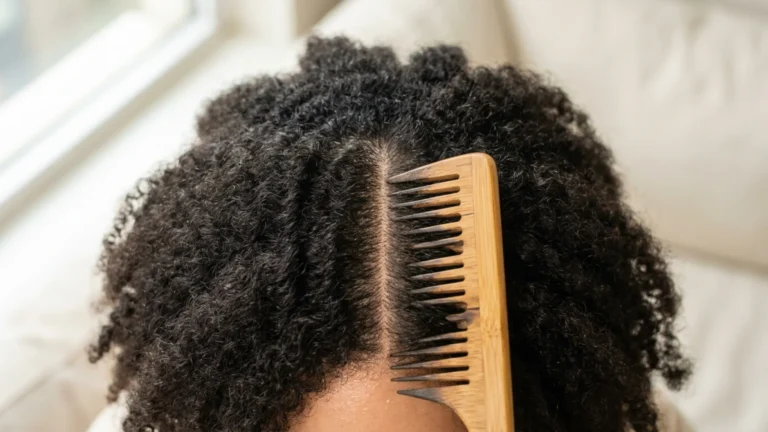
The Hair Care Routine for Long Hair Growth That Works
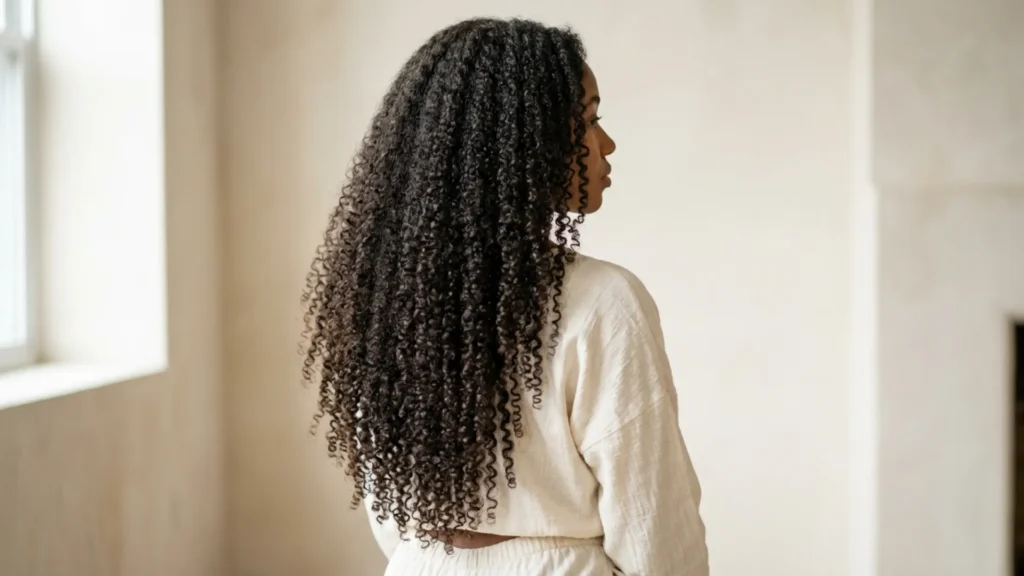
The problem for most people trying to grow their hair longer isn’t that growth has stopped. Hair grows at roughly the same rate for most adults — around half an inch a month — regardless of what’s in their shower. The real issue is retention: the length is growing, but it’s also breaking off at a similar pace, so nothing seems to change.
Quick answer: The right hair care routine for long hair growth starts with protecting the length you already have. That means gentle cleansing in the correct sequence, consistent moisture, a healthy scalp, and low manipulation between wash days. The order of those steps matters as much as the steps themselves.
Here’s what that looks like in practice, and why each piece sits where it does.
Why the Order of Your Routine Matters More Than the Products
The hair care industry is very good at selling the next ingredient. Biotin. Castor oil. Rice water. Keratin. What it almost never addresses is the sequence — the order in which things happen — and that’s usually where the real problem is hiding.
Several common routine steps quietly undo each other when placed in the wrong order. Applying a heavy oil before your leave-in conditioner, for example, creates a seal that blocks moisture from entering the hair shaft. Pre-treating with oil before shampooing does something very different: it slows the rapid water absorption that causes cuticle damage, without blocking anything that should get through later. Same ingredient, opposite timing, completely different outcome.
Most people who feel stuck at a certain length aren’t stuck because hair refuses to grow. They’re stuck because their routine produces quiet, cumulative breakage that cancels out progress every few weeks. Fixing the sequence — not the product shelf — is usually what shifts things.
Also Visit : Hair Care Routine for Frizzy Hair: Fix the Real Cause First
The Wash Day Sequence, Step by Step
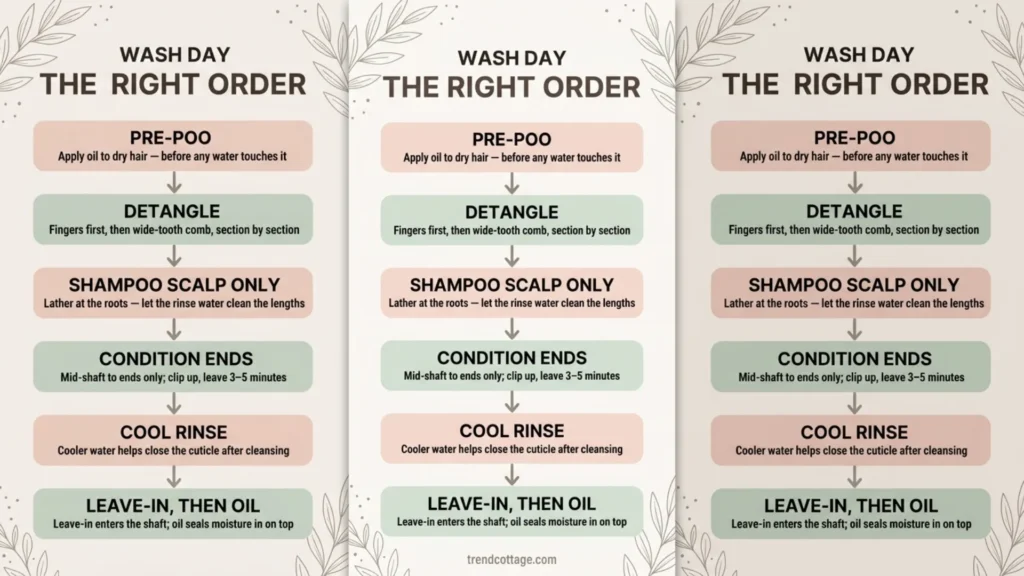
Wash day causes more damage than any other single event in a hair routine. That’s not a reason to wash less — a clean scalp is essential for healthy growth — but it is a reason to be deliberate about the order.
Pre-poo first. Before any water touches your hair, work a lightweight oil from mid-shaft to ends. Coconut, olive, and sweet almond all work well. Fifteen to thirty minutes is enough, and you’ll notice it makes detangling significantly easier before the rinse. This step isn’t about moisture — it’s about cushioning the rapid water absorption that shampoo causes. When hair absorbs water too quickly, the cuticle swells sharply and then contracts as it dries, generating friction and micro-damage inside the shaft. Oil applied first slows that process down.
Detangle before any water. Work through each section fingers-first, then with a wide-tooth comb. Never shampoo tangled hair.
Shampoo at the scalp, not the length. Lather where it belongs — at the roots — and let the rinse water carry product through the rest of your hair. The American Academy of Dermatology’s healthy hair guidance supports focusing shampoo at the scalp to avoid unnecessarily stripping the lengths.
Condition from the ears down. Conditioner at the scalp weighs hair down and contributes to build-up at the roots. Keep it from mid-shaft to ends, clip the section up, leave it three to five minutes, and rinse with cooler water than you washed with. Warm water opened the cuticle; cooler water helps close it back down.
Apply leave-in before sealant oil. Leave-in conditioner is water-based and needs to enter the hair shaft. Oil on top of leave-in seals the moisture in. Oil underneath leave-in seals it out. The order here isn’t a preference — it’s what determines whether the step actually works.
What to Do Between Wash Days

Between wash days is where most of the quiet damage happens — not through any single obvious event, but through the steady accumulation of daily friction, dry ends snapping against a collar or a bag strap, and hair that doesn’t get attended to unless it needs restyling.
A small amount of oil or a light water-based spritz on dry ends every two or three days keeps them flexible enough to bend without breaking. It doesn’t need to be a whole routine — thirty seconds at the mirror before bed is enough.
A satin or silk pillowcase makes a genuine, measurable difference to long-term retention. Cotton grips the hair shaft as you move in your sleep and generates friction that adds up to real breakage over months. The AAD’s hair and scalp care resource lists reducing mechanical friction as one of the core strategies for limiting damage-related hair loss.
The third between-wash habit is the hardest one: keep your hands out of your hair when it’s dry. Picking, combing, and re-styling dry hair — particularly coarser or curlier textures — causes far more breakage than most people account for. If you won’t be restyling, don’t touch it.
Also Visit : Hair Care Routine: Build One That Actually Sticks
Getting the Moisture-Protein Balance Right
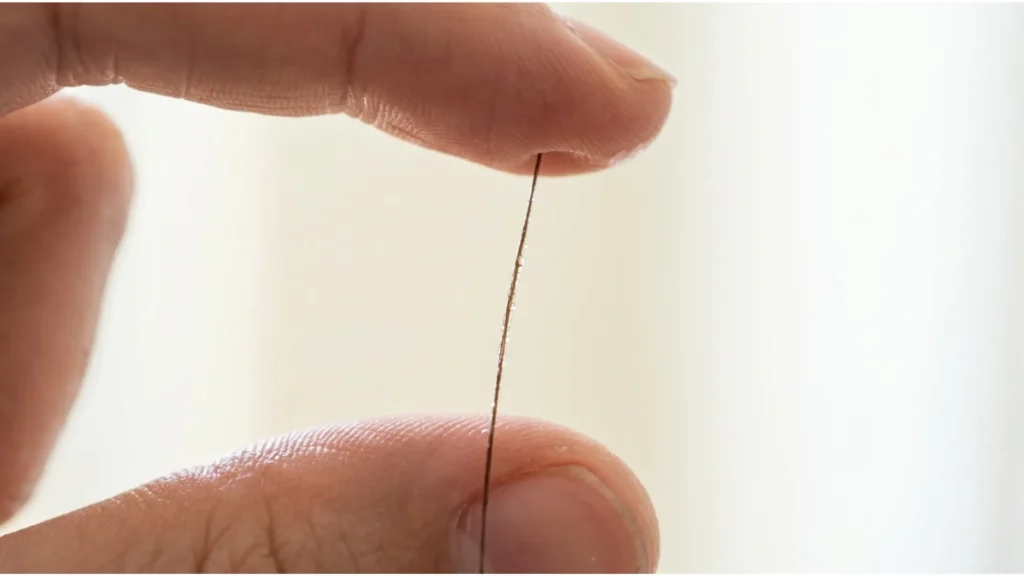
Moisture and protein are both necessary, but they do different things, and overdoing either one leads to breakage. Getting the balance wrong is one of the most common reasons people see stalled length even with a consistent routine.
Moisture keeps hair flexible. Protein reinforces the internal structure of each strand. Without enough moisture, hair goes brittle and snaps. Without enough protein — or with too much protein and not enough moisture following it up — hair goes stiff and almost crunchy before it breaks with very little force. The two failure modes feel different, which is useful.
A simple test helps identify which direction you’re leaning: pull a single wet strand gently between your fingers. If it barely stretches before snapping, the hair needs more moisture. If it stretches but doesn’t spring back, protein is what’s missing. Most people do better responding to this test than following a fixed calendar, but a reasonable baseline is a moisturising conditioner every wash day and a protein treatment roughly once a month — more often if you use heat regularly, or if your hair is colour-treated or chemically processed.
One thing that catches people out: a protein treatment without a follow-up moisture treatment on the same day, or the next, makes things worse rather than better. Protein tightens and stiffens the strand; moisture restores flexibility. They work together, not in isolation.
How Protective Styling Fits In
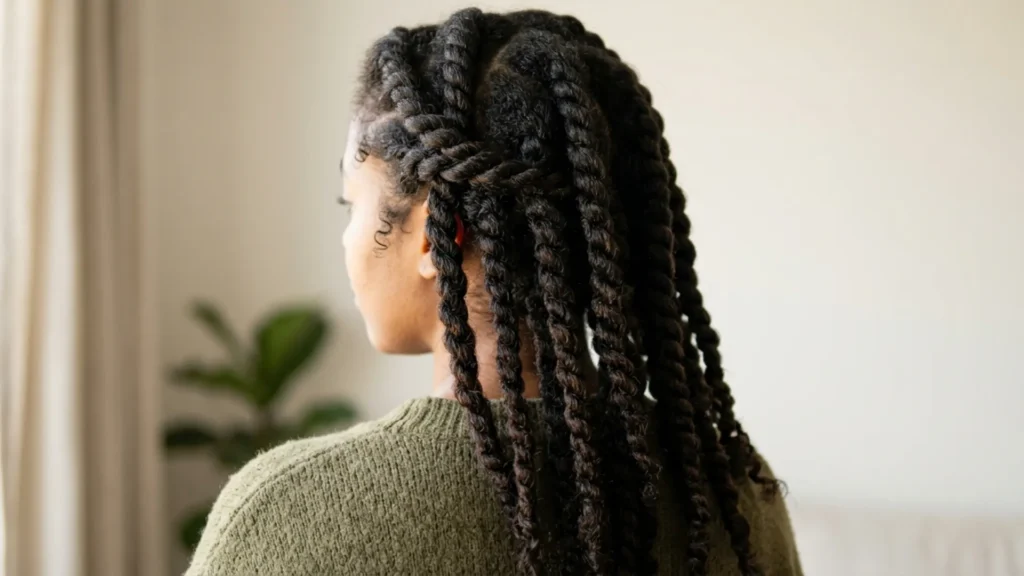
Protective styles — braids, twists, buns, and similar low-manipulation options — help with retention because they reduce daily friction and cut down on how often you’re physically handling your hair. They don’t speed up growth. The follicle doesn’t know or care whether the hair is in a bun or loose. But a week in a protective style is a week where your ends aren’t catching on fabric, being repeatedly touched, or getting combed out.
Two things matter most when protective styling for length retention:
- Tension at the roots. Styles that pull hard at the hairline or nape place repeated stress on the follicles. Over time, this can lead to a form of follicle damage that’s genuinely difficult to reverse. “Protective” only applies to styles that are actually gentle on the scalp.
- Moisture inside the style. Hair still needs hydration while it’s tucked away. Dry, braided hair breaks just as readily as dry, loose hair — you just won’t see it until the style comes down. A light spritz or oil every few days keeps ends flexible throughout.
A realistic window for most protective styles is four to eight weeks. After that, take it down for a proper wash, re-moisturise, and reassess before reinstalling.
The Trim Question, Settled
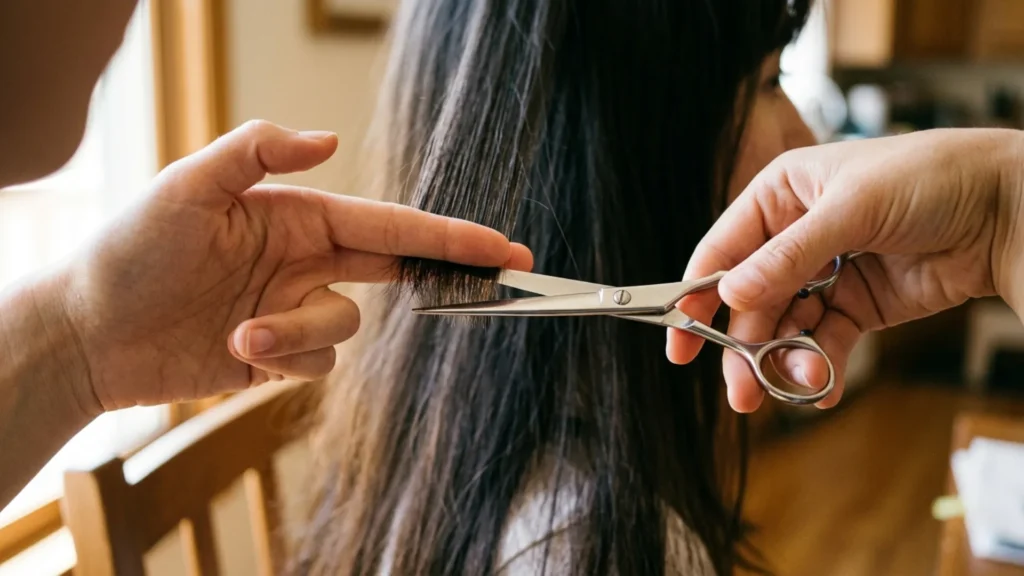
Trimming doesn’t make hair grow faster. The follicle is at the scalp; the scissors are at the ends. There’s no biological connection between the two.
What trimming does is stop existing damage from travelling further up the shaft. A split end left alone doesn’t stay at the tip — it works its way upward, and the point at which the hair eventually breaks moves higher and higher. If you only trim once the damage has already crept several centimetres up the strand, you’ll lose more length in one trim than you would have if you’d taken off a smaller amount at an earlier stage.
For most people, a trim every three to four months — somewhere between a quarter-inch and an inch, depending on how the ends are holding up — keeps pace with damage without sacrificing real length. Heat users and people with colour-treated hair need to trim more often. Someone primarily in protective styles with zero heat and no chemical services can stretch trims a little further, but not indefinitely.
The version of “no-trim for growth” that shows results is almost always someone whose ends are genuinely healthy to begin with. It doesn’t transfer to hair that’s already splitting.
Your Hair Care Routine for Long Hair Growth at a Glance
This is a rough framework — wash frequency and styling preferences will shift it for different hair types. But it shows how the habits above fit into a real week without becoming a part-time job.
| When | What to Do |
|---|---|
| Wash day (1–2× per week) | Pre-poo → detangle → shampoo scalp → condition ends → cool rinse → leave-in → sealant oil |
| Day after wash day | Let hair air-dry fully if needed; lightly seal ends if they feel dry |
| Mid-week | Light oil or water spritz on dry ends; satin pillowcase every night |
| As needed | Low-manipulation style (loose braid, bun) to cut down on daily friction |
| Monthly | Protein treatment, followed by moisture treatment on the same day |
| Every 3–4 months | Trim to remove split ends before damage travels up the shaft |
Also Visit : Hair Care Routine for Coloured Hair: Keep Colour Longer
FAQ
How often should I wash my hair for long hair growth?
There’s no universal answer — it depends on hair type, activity level, and how much product you use. Two or three times a week suits most people. Washing too rarely lets build-up accumulate at the scalp, which can affect the follicle environment over time. Washing too often strips the natural oils the shaft needs between sessions. Fine hair tends to need more frequent washing; coarser and drier textures can usually go longer without issue.
Does the scalp need extra moisture beyond conditioner?
The scalp produces its own oil, so it doesn’t usually need heavy moisturiser applied directly to it. Coating it with thick products can actually clog follicles over time. What the scalp benefits from is a clean environment, regular gentle massage to support circulation, and — if dryness or flaking is a real issue — a lightweight scalp serum targeting that specifically. Conditioner should always go from the ears down, not at the roots.
Can you grow long hair without protective styles?
Yes. The fundamentals that drive retention are low manipulation, consistent moisture, gentle wash day habits, and protecting ends from friction at night. Protective styles make several of those easier to achieve at once, but none of them require braids or buns specifically. People grow long hair without ever using a formal protective style.
Why does my hair stay the same length no matter what I do?
Almost always breakage. Hair is probably growing at a normal rate but breaking off at a similar rate, which makes overall length look static. The most common culprits are dry or brittle ends, rough handling on dry hair, sleeping on cotton, too-tight styles, and long-term lack of protein in colour-treated or heat-styled hair. The fix is identifying which of those applies — not trying to make the follicle work harder.
Is there a difference between hair growth and retaining length?
Yes, and it matters. Growth happens at the follicle and is largely shaped by genetics, health, and hormones — a topical routine doesn’t change it much. A hair care routine for long hair growth targets retention almost entirely: how much of what the follicle produces you actually hold onto before it breaks off at the ends. That’s why “how do I reduce breakage?” is usually the more actionable question than “how do I grow faster?”
Key Takeaways
- Hair grows on its own — a good routine protects the length you’re already growing by reducing breakage, not by speeding up the follicle.
- Wash day sequence matters: pre-poo before water, shampoo the scalp only, condition from the ears down, cool rinse, then leave-in before oil.
- Between wash days, satin at night and minimal dry-hair manipulation do more quiet work than most people give them credit for.
- Protein and moisture do different jobs. Use the elasticity test to guide you rather than a fixed weekly calendar.
- Trimming before splits travel further up the shaft costs less length over time than waiting until the damage has moved higher.
If a section here connects to where you are in your routine right now, save it or share it. And if your hair type changes how one of these steps plays out, drop it in the comments — the specifics are worth talking through.
Written by Anna Anderson for Trend Cottage.